Gurman: iOS 18.1 on October 28, M4 Macs on November 1
- Paul Thurrott
- Oct 06, 2024
-
13
Ace Apple watcher Mark Gurman spilled the beans on the next two big Apple milestones of 2024, a year like no other for the company.
Granted, it’s not the chaos we see from Microsoft on the client side, with barely or never tested new features hitting Windows 11 randomly every month. But as Gurman notes in his latest Power On newsletter, Apple has been off-script for the past two years from a schedule perspective, and that may just be the new normal. Meaning that Apple, like Microsoft, has been releasing products before they were ready for a while now, and it’s getting complicated.
Part of the issue is how Apple is organized: It has discrete hardware, software, and services teams, and each has to support a bewildering array of solutions. He cites the firm’s growing list of operating systems–iOS, iPadOS, macOS, watchOS, visionOS, and tvOS, among them, but also the software running in HomePods, AirPods, and other devices–as an obvious example. Remember the Steve Jobs slide showing four primary product lines? That’s ancient history.
Anyway, Apple has for years announced some new features for whatever product and then delayed them past the launch. The one I remember most clearly–I’m not exactly living and breathing the Apple ecosystem–is when Apple launched the iPhone 7 Plus, its first iPhone with two cameras, a “camera system,” they called it, which would enable basic optical zoom and, as interesting, a Portrait Mode that used a combination of optics and computational photography to work its magic. Apple delivered the phone in September that year (2016), but Portrait Mode didn’t arrive until the end of the year. And it was lackluster, at least at first.
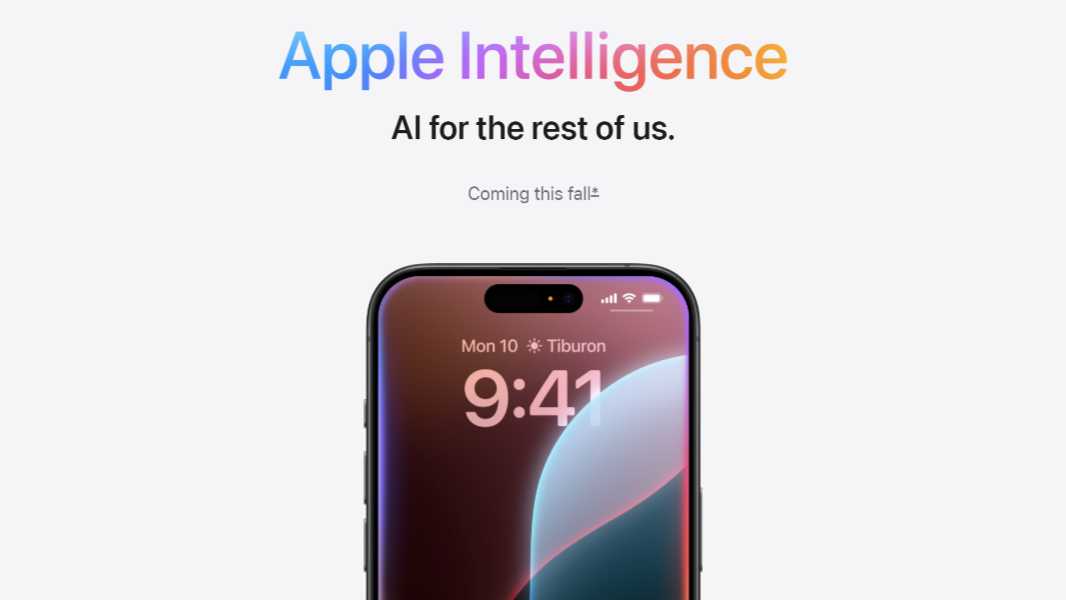
Well, things have escalated a bit since then. And as everyone knows, and everyone is still debating, Apple announced a mountain of new AI features across its core platforms back in June, called it Apple Intelligence, and then released major new releases of all the underlying platforms, and new iPhones, in September. None of which arrived with even a single Apple Intelligence feature. The debates continue. But we know Apple will ship the first round of Apple Intelligence features for iPhone in iOS 18.1, followed by more in iOS 18.2, and then more still in 2025. It’s starting to resemble that Windows 11 new feature release “strategy” (which it calls “continuous innovation”) more each day.
Gurman analyzes this turn of events in his latest newsletter, and from a decidedly more Apple-oriented focus, of course. But of more interest to me and, I suspect, to most people, is when these things will happen. And there, he has some answers, in part because Apple has those answers and he has good sources. (Not to beat this to death, but the chaos in Windows these days makes similar revelations a lot more difficult, often impossible. You’ll get it when you get it.)
Specifically, Apple will deliver iOS 18.1 with Apple Intelligence on October 28. This is later than expected, but Gurman says the firm wants to get this one right, which makes sense, and I think this is what will truly differentiate AI experiences on Apple’s platforms vs. what we see on Android and Windows. And then there will be iOS 18.2, 18.3, and 18.4 releases over the subsequent months, all with more Apple Intelligence functionality.
“The first version of Apple Intelligence will include things like notification summaries, while subsequent updates like iOS 18.2 will add ChatGPT integration and support for Genmoji custom emoji,” he writes. “Other new features coming after iOS 18.1 include automated email filing in the mail app, plus an Image Playground app for creating custom images. In March, iOS 18.4 will include many of the upgrades to the Siri digital assistant, including its ability to control applications more precisely and tap into personal information to answer queries.”
He doesn’t specifically mention iPadOS 18.x and macOS Sequoia 15.x updates, but these will line up exactly or (with macOS) closely to the iOS update, and both will include similar new Apple Intelligence features.
According to Gurman, Apple’s next wave of hardware releases are set for November 1, and it’s a big one: Apple will deliver a low-end MacBook Pro M4, high-end 14- and 16-inch MacBook Pro M4s, a revamped Mac Mini in M4 and M4 Pro configurations, a refreshed iMac with M4, and a refreshed iPad Mini (with some Apple Silicon chip to bring it up to speed).
Then, there’s early 2025, with Apple shipping 13- and 15-inch MacBook Airs with an M4 chip, the eagerly awaited iPhone SE, refreshed 11- and 13-inch iPad Airs (chipset unknown), new Magic Keyboards for those iPad Airs, and an upgraded AirTag. Further out, new Mac Studio and Mac Pro models are in the work as well.
So there you go. It’s going to be a busy several months for Apple fans.