Microsoft Partners with Anduril to Offload U.S. Army HoloLens Contract
- Paul Thurrott
- Feb 11, 2025
-
9
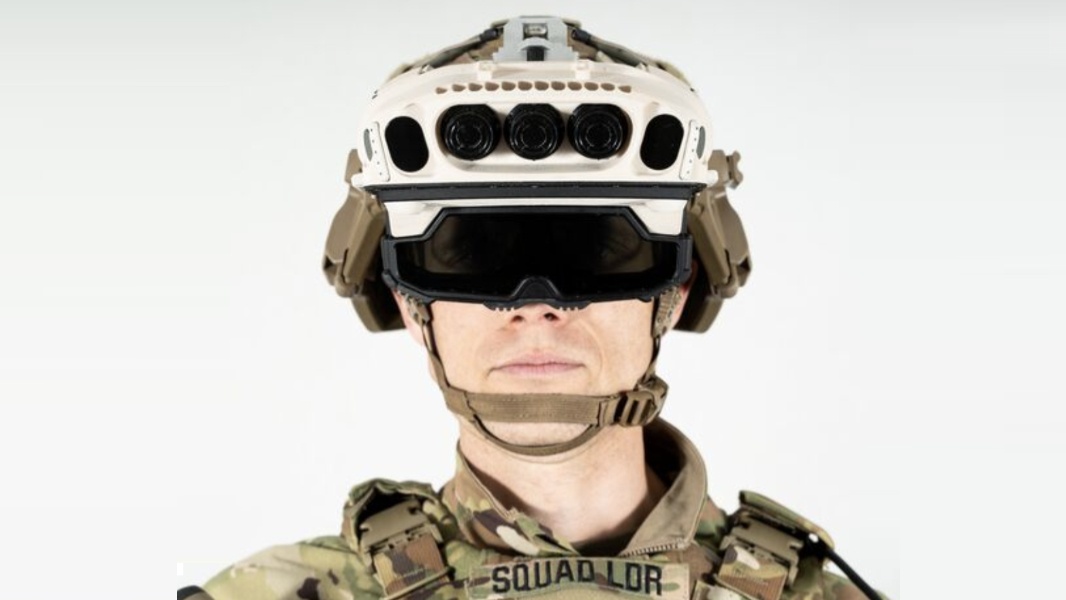
Microsoft announced that Anduril will assume all production, delivery, and future development of the U.S. Army’s custom HoloLens headsets. In return, Microsoft will be Anduril’s “preferred hyperscale cloud for all workloads related to [this product] and Anduril AI technologies.”
The announcement doesn’t mention the term HoloLens even once, but instead refers to the product as the U.S. Army’s Integrated Visual Augmentation System (IVAS).
“We are incredibly proud of the work our teams have put in to help the U.S. Army transform its concept of a soldier-borne, AR headset into reality with the IVAS program,” Microsoft corporate vice president Robin Seiler says. “Our Soldier-Centered Design approach helped reimagine technology development with the Army that continuously took in real-world soldier feedback to develop a product that soldiers love. We are excited to partner with Anduril for the next phase of IVAS and leverage our combined strengths to meet our commitments on this vital program and deliver a game-changing capability for every U.S. soldier.”
While this is indeed a partnership of sorts, this move almost certainly also represents Microsoft walking away from HoloLens for good. The firm discontinued the latest commercial version of HoloLens in October 2024, but that dates back to 2019 and has long been in need of a replacement. But it makes much more sense for Microsoft to support competing products with more potential, like Apple Vision Pro, Meta Quest, and Google Android XR.
Anduril was founded by Oculus VR founded Palmer Lucky, who couldn’t look like more of a tech bro if he was wearing a Halloween costume. Anduril creates autonomous military sensors, drones, and other technologies and previously secured several U.S. military contracts worth several hundred million dollars to billions of dollars each. The company previously partnered with Microsoft to bring its AI-based Lattice integration technologies to IVAS.
I think this is the end for HoloLens.