Gurman: Apple Intelligence is Coming to Apple Watch
- Paul Thurrott
- Mar 23, 2025
-
1
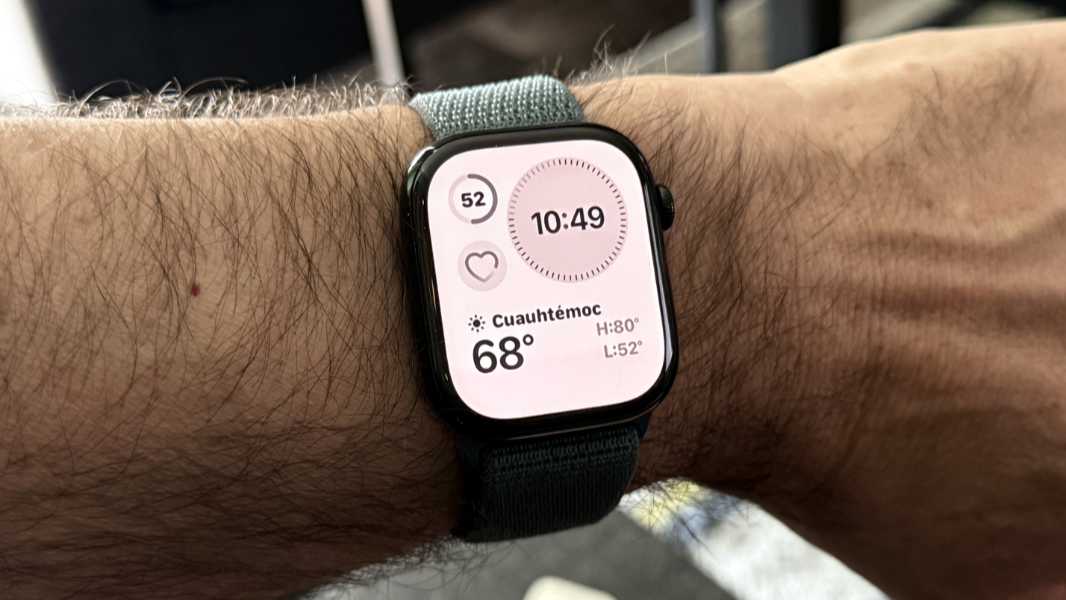
In his latest Power On newsletter, Bloomberg’s Mark Gurman says that Apple is exploring how it can make the Apple Watch an AI wearable.
To get there, it will need to build cameras to the device and then build on its Visual Intelligence work from the iPhone. The company is planning something similar for its AirPods earbuds. And in both cases, Apple would like to switch to its own AI models in time, as it does with the hardware components and software that it ships with its devices. Today, Visual Intelligence uses OpenAI and Google models.
An Apple Intelligence-powered Apple Watch is still years away, Gurman cautions. After all, this is the company that can’t ship conversational Siri features because of its stringent privacy guarantees. But the cameras are apparently coming to the standard and Ultra versions of the Apple Watch, though the placement of those cameras will vary by device. Standard Apple Watches will use an in-display camera, while the Ultra will place the camera on the side, near the crown and side button.
Adding Apple Intelligence to the Apple Watch feels like an obvious next step, but because of the device’s low-end processor, it’s unlike that any of the processing will occur locally. Which is fine, given how tightly the device it tied to the iPhone, which now includes the necessary internals. Gurman expects to see camera-equipped Apple Watch and AirPods models appear in 2027 at the soonest.
Tied to this, Apple recently reorganized the teams working on Apple Intelligence and conversational Siri, tasking Vision Pro creator Mike Rockwell with fixing Siri. Gurman says that this is just part of the shake-up, however. The Vision Pro team is being split into separate hardware and software groups, former AI lead John Giannandrea “isn’t being fired” despite the Siri problems, and a few other execs will move laterally. Separately, smart ring maker Oura hired an Apple veteran away from the company.
Gurman also notes the plastic Apple Watch SE redesign is in “serious jeopardy,” which feels a bit dramatic given the low stakes. But it appears that the plastic cases aren’t less expensive than aluminum, and the design team isn’t happy with the look. The next Apple Watch Ultra will apparently include satellite texting support, thanks to a new MediaTek modem.
As is usually the case with Power On, Gurman tackles several other related topics this week. But only one is of interest. He says that this year’s thin iPhone 17 Air will lead to a folding iPhone model in 2026 that will cost $2000 and compete head-on with the Samsung Galaxy Z Fold. It’s not difficult imagining that such a device would be a welcome combination of a traditional iPhone and an iPad Mini. But as is always the case with Apple, it’s taking its time getting there.