Google Has “Multi-Year Plan” to Improve Android, Starting with Battery Life
- Paul Thurrott
- Apr 16, 2025
-
3
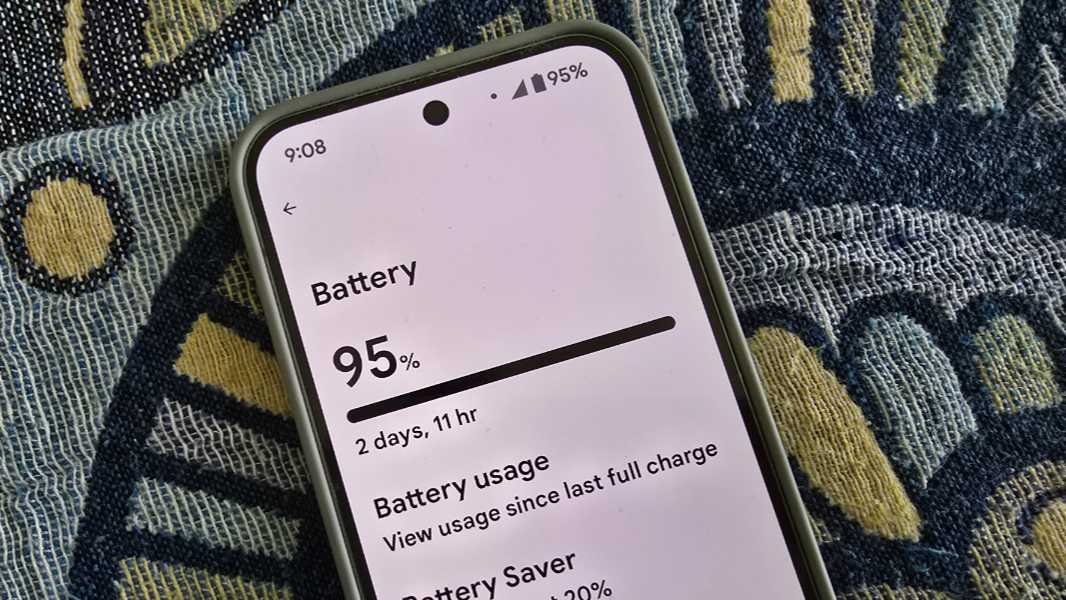
Google has a “multi-year plan” to improve Android, but it has more to do with apps than with the system itself. And it starts with battery life.
“Android has long championed performance, continuously evolving to deliver exceptional user experiences,” Google’s Karan Jhavar and Dan Brown write in the Android Developer Blog. “Building upon years of refinement, we’re now focusing on pinpointing resource-intensive use cases and developing platform-level solutions that benefit all users, across the vast Android ecosystem.”
This next step in the evolution involves apps, battery life, and partnering with its device maker partners, beginning with Samsung, the biggest of those partners. The goal is to make Android technically excellent by improving the platform so that apps can easily, if not automatically, take advantage of the coming advances. And the first of these advances is eliminating excessive wake locks.
“This metric directly addresses one of the most significant frustrations for Android users, excessive battery drain,” the two explain. “By optimizing your app’s wake lock behavior, you can significantly enhance battery life and user satisfaction.”
Wake locks become excessive when they cumulatively account for over 3 hours during a 24-hour period, Google says. This occurs when an app is in the background without a foreground service.
To address this problem, Google has created new wake lock and excessive wake lock metric documentation for developers, and it is actively seeking feedback to ensure that its metrics are as good as possible before pushing them into stable. Once that happens, Google will update its Play Store to identify apps that do or do not handle wake locks efficiently. And then it will introduce additional metrics in Android that highlight additional performance and battery life issues.
Those using Android can do little now but wait for this and further enhancements to arrive in the platform, and since this is a Play Store deliverable, the changes should come to all supported Android versions. Given the issues I see with Pixel battery life in particular, this is something that can only improve. Though I suspect the bigger culprit is the Tensor chips Google makes, and not the OS.