OpenAI Launches ‘Codex’ AI Coding Agent in Preview
- Laurent Giret
- May 16, 2025
-
0
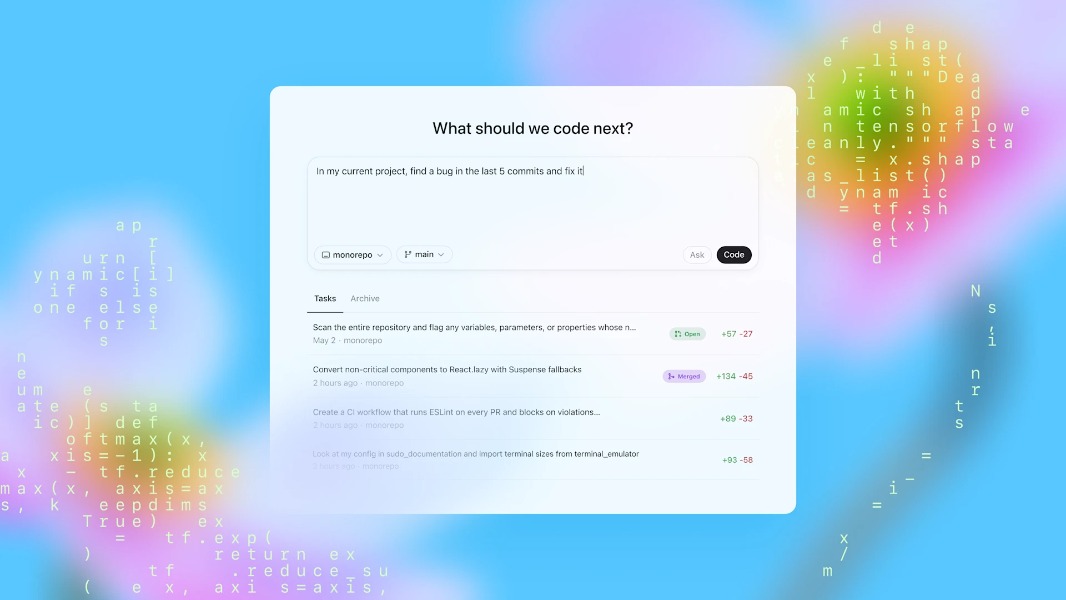
OpenAI is launching today a research preview of Codex, a new AI coding agent integrated into ChatGPT that can perform multiple software engineering tasks at once. Codex is leveraging codex-1, a custom version of OpenAI’s most powerful reasoning model that’s been optimized for software engineering, and it’s rolling out first to ChatGPT Pro, Enterprise, and Team users.
“Codex can perform tasks for you such as writing features, answering questions about your codebase, fixing bugs, and proposing pull requests for review,” OpenAI explained today. It was trained using reinforcement learning on real-world coding tasks in a variety of environments to generate code that closely mirrors human style and PR preferences, adheres precisely to instructions, and can iteratively run tests until it receives a passing result.”
ChatGPT paid users will be able to access Codex via the chatbot’s sidebar. Each coding task runs in its own cloud-based sandbox environment, preloaded with users’ codebase, and users can verify their outputs through citations, terminal logs, and test results.
At the moment, Codex doesn’t support image input and the ability to edit coding tasks while they’re processing. However, OpenAI said that there are built-in safeguards in place to ensure that Codex isn’t used to create malicious software.
OpenAI won’t charge ChatGPT Pro, Enterprise, and Team users for their use of Codex while it’s still early in development, but the company eventually plans to introduce usage limits and flexible pricing options. ChatGPT Plus and Edu users will also get access to the new AI coding agent soon.
Codex will be competing with other AI coding agents such as Gemini Code Assist and the new agent mode in GitHub Copilot. We’ve now entered the “agentic AI” era, and you can expect to hear a lot about AI agents during Microsoft and Google’s annual developer conferences next week.