Google Releases Android 16, June Pixel Drop
- Paul Thurrott
- Jun 10, 2025
-
0
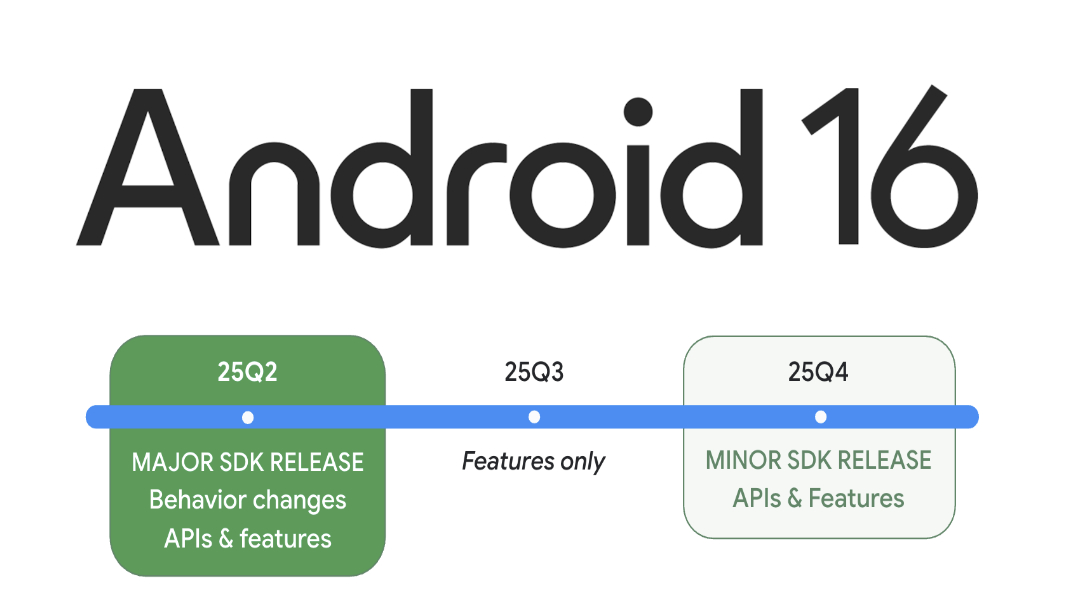
Google today announced the initial release of Android 16, which is or is not a major platform release, depending on how you look at it. Google also released the June Pixel Drop today as well.
“Today we’re releasing Android 16 and making it available on most supported Pixel devices,” Google vice president Matthew McCullough writes in the announcement post. “Look for new devices running Android 16 in the coming months.”
Android 16 was released on a truncated development cycle so that Google’s key hardware partners–read: Samsung–could have a new OS version earlier in the year and aligned with their release cycles. All Android versions receive quarterly updates, called QPRs, but this will be particularly important for Android 16 as some of its best features, like a new Samsung DeX-based desktop mode, the Material Expressive user interface, and Live Updates, won’t arrive until later updates.
Today, what we get is a major update to the Android SDK, the availability of the Android 16-based version of the Android Open Source Project (AOSP) source code, and the foundations for various major features that will arrive later. There’s also a new Android 16 QPR1 Beta 2 release that adds a pre-release version of the new desktop mode on compatible devices (Pixel 8 and 9 series). An interim release in Q4 should deliver at least some of the new features in stable–Google specifically calls out Material Expressive–plus a minor SDK update with new APIs but no major new behaviors.
I’m curious what Google means by “most” supported Pixel devices, as that’s a first. But you can learn more about this release on the Android Developer website.
As for the June Pixel Drop, Google says that it adds new features and updates that make your devices more helpful, personalized, and accessible. Key additions include the Pixel VIPs widget for staying better connected with your best contacts, Pixel Studio-powered custom stickers in Gboard, Satellite SOS availability in Australia, Clear voice in Recorder availability on Pixel 8 devices, a new education hub in the Camera app, live search in Magnifier, LE audio features with hearing aids on Pixel 9 and newer, and Expressive Captions in the U.S., Canada, Australia, and the UK.
Google also revealed that it will soon add AI-based editing suggestions in Google Photos with quick access to the tools needed to make it happen.