Intel Reorg Puts 40-Year Vet in Charge of PC Group
- Paul Thurrott
- Sep 09, 2025
-
3
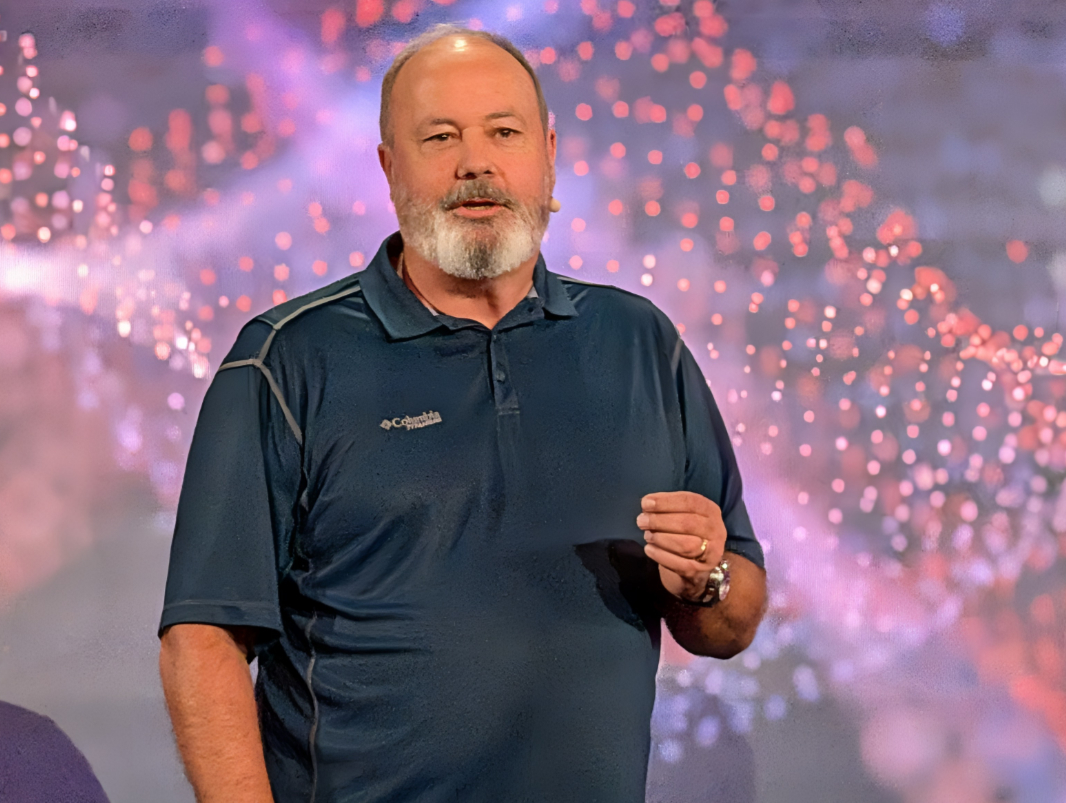
Intel announced a corporate reorganization that puts Jim Johnson, a 40-year veteran of the company, in charge of the Client Computing Group responsible for its x86-based chip designs for PCs. He was previously serving in this role in an interim basis.
“Jim’s steady leadership and trusted relationships across the computing industry are driving continued progress in our client business as we prepare to launch a new generation of products,” Intel CEO Lip-Bu Tan said.
Thurrott.com readers may recognize Johnson as the face of “Lunar Lake,” the controversial—and, I would argue, unsuccessful—attempt to quickly scale Intel’s x86 silicon to battery compete with more efficient Arm-based designs. He anchored the Intel announcement event for Lunar Lake at last year’s IFA in Berlin, Germany. And then he appeared at the Lenovo Innovation World press conference at this year’s show, which was held last week.
His appearance at Lenovo Innovation World was, to put it mildly, awkward, though he gets an A for confidence and staying on-message.
“With Core Ultra Series 2 [Lunar Lake], we re-engineered the CPU, the GPU, and the NPU and delivered faster compute, improved AI experience, and busted the myth that x86 can’t be power efficient,” Johnson said at the event, which is available for rewatching on YouTube. Here, he paused, presumably for applause.
It never came. As most in the audience understood, and as my unpredictable and mostly lackluster experiences with Lunar Lake-based PCs show, this isn’t the home run that Johnson promoted. Lunar Lake is more efficient than previous Intel chips, but it’s also incredibly unreliable and unpredictable. Indeed, Lunar Lake is such a disaster that Intel will never make a chip design like it again, and it loses money on every unit sold. Subsequent Core Ultra Series 2 designs have all used different architectures.
To be clear, this is no one person’s fault in the sense that a cascading series of strategic mistakes over a decade or more led to Intel’s problems today. The company was forced to rush Lunar Lake to market so it could have a Copilot+ PC-compatible chip to compete with more efficient designs from AMD and Qualcomm.
And Johnson wasn’t in charge of Intel’s Client Computing Group at that time. Michelle Johnston Holthaus was. And as it turns out, she’s leaving Intel as Johnson is elevated into her former role. She had become CEO of Intel products briefly, after Pat Gelsinger, the previous Intel CEO, left the company.
“Throughout her incredible career, Michelle has transformed major businesses, built high-performing teams, and worked to delight our customers,” Tan said. “She has made a lasting impact on our company and inspired so many of us with her leadership. We are grateful for all Michelle has given Intel and wish her the best.”
As part of the reorg, Intel also revealed that Naga Chandrasekaran, the executive vice president and chief technology and operations officer of Intel Foundry, will expand his role to include Foundry Services. He joined Intel last year after a stint at Micron.
Intel is also creating a new Central Engineering Group that will “build a new custom silicon business to serve a broad range of external customers.” This will be led by Srini Iyengar, who joined Intel this past June. And former Arm executive Kevork Kechichian has joined Intel as executive vice president and general manager of the Data Center Group (DCG).
Chandrasekaran was already reporting directly to the Intel CEO, and now Johnson, Kechichian, and Iyengar will as well, Intel says.