Valve is Bringing SteamOS, Windows Games to Arm
- Paul Thurrott
- Dec 03, 2025
-
0
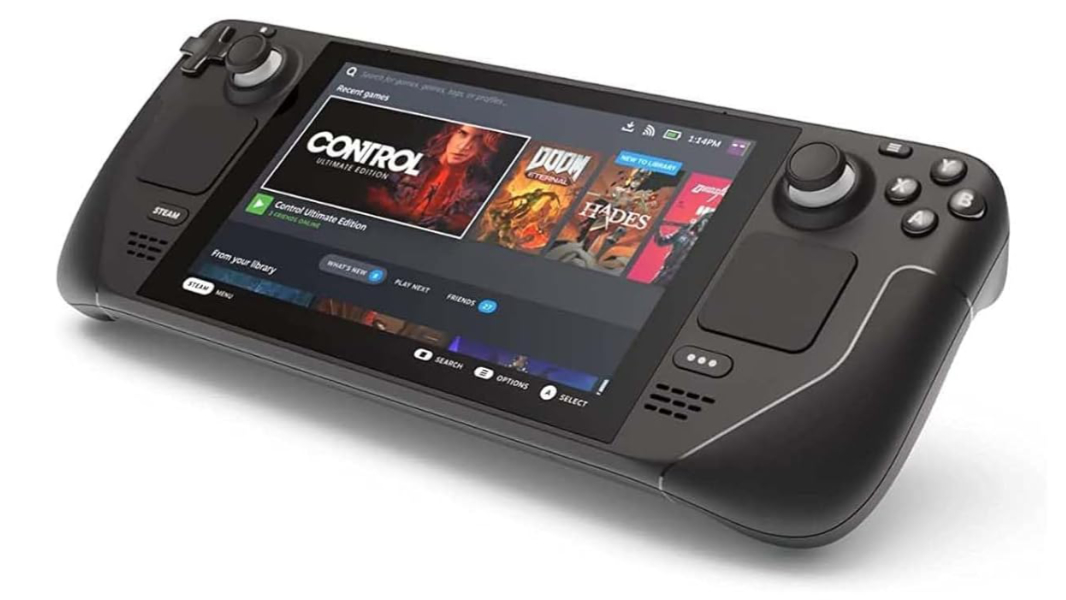
One of the architects behind SteamOS and the Steam Deck revealed that his company, Valve, is quietly playing a key role in the industry-wide shift to the Arm platform by funding open source projects that allow Arm-based platforms to play x86-based Windows games.
In an interview, Valve’s Pierre-Loup Griffais describes how the company’s work on the Proton compatibility layer for Linux has been so successful in making Windows games work well in that environment that it is funding a similar project, called Fex, that does the same for Arm. That is, rather than forcing developers to create different versions of their games that run on different platforms, Prism allows those games to run well on Linux with changes, and Fex seeks to do the same for Android, Windows 11 on Arm, and other Arm-based computing platforms.
“Our goal was to try to reduce barriers for users not having to worry about what games run and for developers to get a starting point for those new devices,” he says in the interview. “We’re pretty excited to be able to expand PC gaming to include all those options instead of being arbitrarily restricted to a subset of the market.”
Griffais says that Valve is working on an Arm-based version of SteamOS, which currently runs on Linux for x86, and that he expects to see portable and desktop SteamOS-based PCs running on Arm too. He also hints that some living room-based devices are on the way, which sounds like a game console to me.
SteamOS for Arm is essentially the same as SteamOS is today, in that it’s based on Arch Linux and uses the same code base, updater, and technologies. It will utilize an Arm-aware version of Proton that includes the Fex emulator and allows Windows (x86) games to run seamlessly.
Griffais also notes that Proton is essentially just a distribution of the Wine Windows compatibility technology that targets the SteamOS runtime, is optimized for games, and doesn’t require developers to make any changes. When experimental Proton versions work well enough, the changes are ported back to Wine, benefitting a wider audience.
The work to bring Proton to Arm is particularly interesting because it involves an additional layer, the Fex emulator, that uses a just-in-time translator to emit Arm code. Griffais claims that the performance hit is minimal because all the Proton code is Arm native. It’s not clear how this differs from Microsoft’s approach with its Prism emulator in Windows 11 on Arm.
Also interesting, Valve has been quietly funding Fex and other Arm-related projects for years, knowing that it would be useful for SteamOS and the broader ecosystem.
“We don’t want game developers to have to spend a bunch of time porting things to different architecture if they can avoid it,” he said. “We would way rather have those game developers invest their time and energy into making their games better, or working on their next game. We think that porting work is essentially wasted work when it comes to the value of the library.”
As to whether Arm is the future of gaming, Griffais, like Valve, presumably, is hedging his bets, saying only that today’s Arm devices are “a good fit for lower performance [devices below] Steam Deck.” And we’ll see what happens in the future. But if and when Arm is ready to take on even gaming-class desktop PCs, Valve plans to be ready, thanks to the work it’s been doing porting Proton, Fex, and SteamOS to Arm.