Nvidia Investigates CEO For Relationship With Chinese Spy
- Paul Thurrott
- Nov 09, 2026
-
0
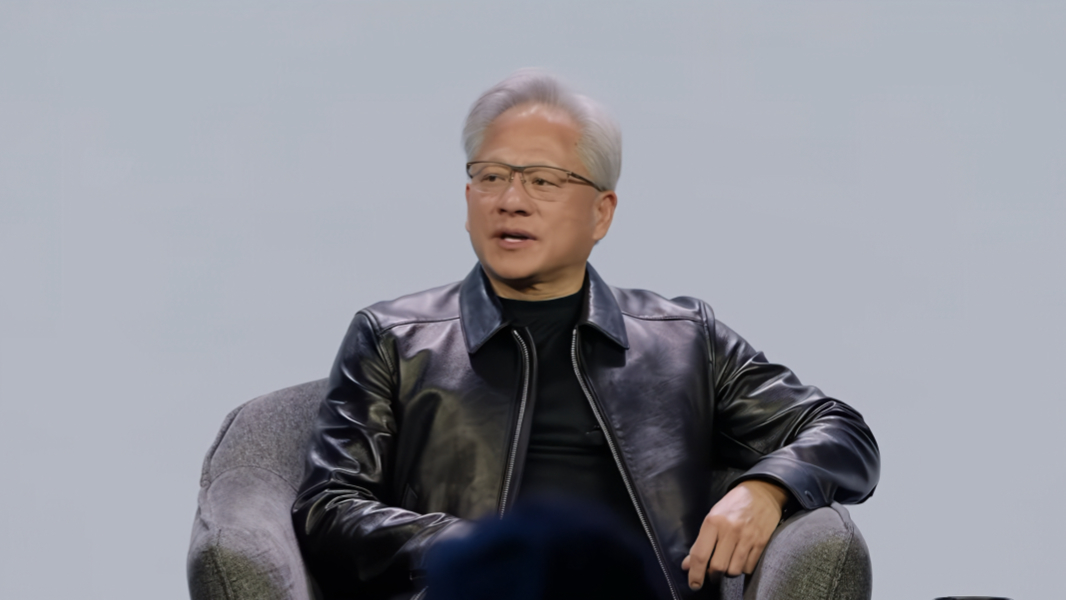
As if the midterm elections weren’t bad enough for Big AI, Nvidia is investigating CEO Jason Huang for having an affair with a woman who was recruited by China’s top spy agency, the Ministry of State Security (MSS).
“You deserve better from me,” Mr. Huang wrote in an email to Nvidia employees. “Leading Nvidia is the privilege of my life. My responsibility is to serve you and be worthy of your trust. I have fallen short of that responsibility. I am fully committed to Nvidia and will work to earn back your confidence.”
“The Nvidia board [of directors] is initiating an independent investigation in light of recent reporting that founder and CEO Jensen Huang has been the target of a foreign intelligence effort,” an Nvidia statement explains. “The board prioritizes U.S. national and economic security, which is paramount to the interests of Nvidia and its shareholders. While the board has no reason to believe that either national security or Nvidia secrets were compromised, the board’s inquiry will examine all available information.”
The revelations about Huang’s affair with a woman later found to be a Chinese operative came via The New York Times, which published a series of articles describing a U.S. governmental memo that cites intelligence indicating that the woman Huang was having an affair with wasn’t just an Nvidia employee. She was recruited by MSS to learn more about the company’s AI chips, most of which cannot be sold in China, and potentially influence the company’s interactions with the U.S. government.
That China has long used industrial espionage to further its homegrown competitive efforts is well-understood. But Huang and other Big AI companies are especially susceptible to this activity because of their lack of experience in international politics and the importance of AI to the global economy. It appears that Huang was under Chinese surveillance for at least a year and that, when apprised of the situation, the ineffective U.S. president opted to say and do nothing about it.
The issues here are many, but the biggest, perhaps, is that the spy convinced Huang to alter Nvidia’s policies and try to influence a U.S. government that, temporarily at least, has zero interest in reining in Big Tech or Big AI during this crucial AI build-out phase.
Huang is smart and well-spoken, and, barring any further substantive revelations, it’s most likely that this is simply a personal embarrassment for the Nvidia CEO. And while it’s fair to point out that he has been vocal about the U.S. allowing chip makers like Nvidia to sell their products in China, that’s a fairly obvious strategy for his company since it’s mostly cut off from China, the biggest market in the world. But thanks to U.S. policies, Chinese companies are racing to compete with Nvidia and other AI datacenter component makers so that they are no longer reliant on U.S. technologies. Which, in the end, is bad for Nvidia, other companies, and the United States.
Huang, aged 63, founded Nvidia and is the company’s largest shareholder, which makes the internal investigation awkward. But Nvidia also doesn’t have a succession plan in place, and regardless of what happens to Huang here, perhaps this the right time to figure that out.