Microsoft Confirms Shift Back to Xbox Brand
- Paul Thurrott
- Apr 23, 2026
-
0
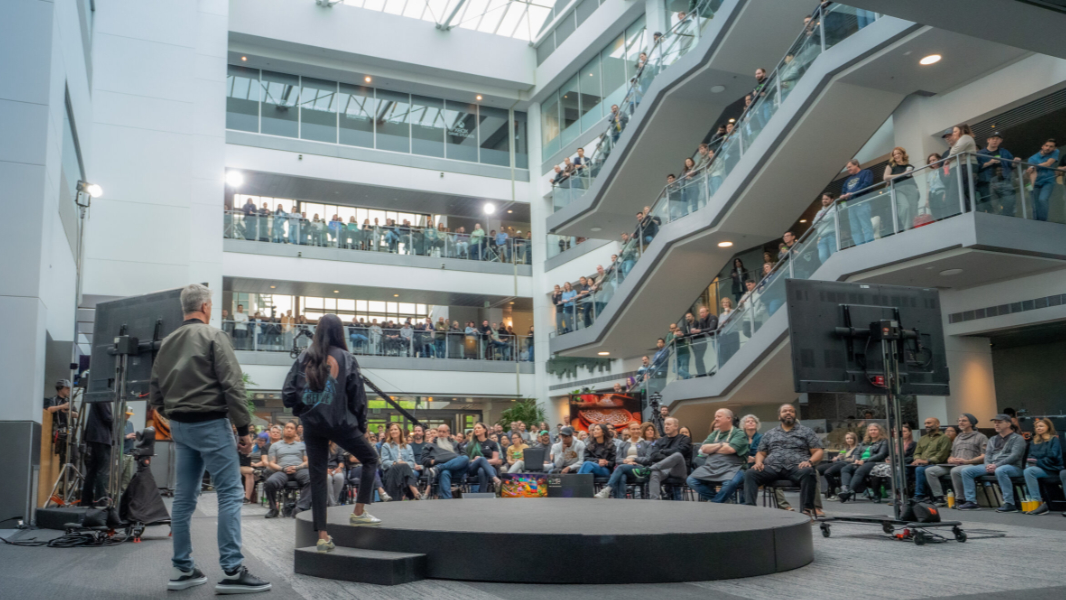
When Asha Sharma became the CEO of Xbox and promised a “return of Xbox,” she wasn’t kidding: Microsoft announced today that it is renaming its Microsoft Gaming business to … Xbox. This confirms an earlier report that Xbox would once again become the identity and brand for all the company’s gaming efforts.
“Xbox will be where the world plays and creates,” Sharm and Xbox chief content officer Matt Booty wrote in an email to all Team Xbox employees today. “We will build a global platform that connects players and creators everywhere. Console is at the foundation, delivering a premium experience, and cloud brings that experience to any device. You can play where you want, and your games, progress, friends, and identity stay with you across console, PC, mobile, and cloud.”
As is the case with Windows 11 and that team’s desire to reengage with a customer base that’s felt ignored for far too long, the changes at Xbox aren’t exactly what enthusiasts may wish. That is, in both cases, the teams are moving forward with previous strategies while trying to fix some pain points that their biggest fans have complained about.
With Xbox specifically, the organization is not dropping its cross-platform goals, the center of the controversial “This is an Xbox” strategy that Sharma silenced. And it is not returning fully to just focusing on a console; indeed, Windows is a bigger platform for gaming than is any console.
“Players are frustrated,” the two acknowledged. “New feature drops on console have been less frequent. Our presence on PC isn’t strong enough. Pricing is getting harder for people to keep up with. And core experiences like search, discovery, social, and personalization still feel too fragmented. Developers and publishers are asking for more, too: better tools, better insights, and a platform that helps them grow faster.”
Console, they wrote, is still large and stable. Windows is more important. Players are choosing subscriptions and services to play over individual game purchases, and the access, value, and libraries are all evolving.
“Xbox will be built to be affordable, personal, and open” Sharma and Booty explained. “We will offer flexible pricing so it’s easy to get started and keep playing. The experience will adapt to you, letting you customize how you play, helping you find what you’ll love, and connecting you with the right people. And we will be open to all creators, from individuals to the largest studios, giving anyone the tools to reach a global audience and keep their games growing over time. Our new north star will be daily active players.” Which, I will point out, requires far more than the Xbox console user base.
Sharma and Booty outlined the four priorities for Xbox going forward:
Hardware. Xbox will “stabilize” its next-generation console, not due in consumer hands until 2028, as “a healthy and high-quality base” with leading performance for console and PC games, leading accessories, and with a strong ecosystem that expands choice and reach.
Content. Xbox will grow and extend existing game franchises, evolve its partnerships, strengthen its 5-year roadmap, expand into China and other emerging markets, “maintain and grow in live games and long-term stewardship,” and “elevate creator-centric platforms like Minecraft, The Elder Scrolls, and Sea of Thieves.”
Experiences. Here, Xbox will fix the fundamentals for players, make Xbox the best place for developers and creators, and “overhaul discovery, customization, social, and personalization to connect the community.”
Services. Xbox will “fortify” Game Pass with clear differentiation and sustainable economics, return the business to durable growth with strong cost discipline, make cloud play feel native, fast, and reliable across TVs and low-cost devices, and use acquisitions “deliberately” to “accelerate growth where organic paths are too slow.”
If this all feels obvious and familiar, well, it is. But they also note that Xbox will “reevaluate our approach to exclusivity, windowing [meaning the availability of new games on whatever platforms], and AI, and share more as we learn and decide.”
“We are Xbox,” the two wrote. “Microsoft Gaming describes our structure but it does not describe our ambition. So, we are going back to where we started and changing our team’s name. We are a high agency culture where wild and wonderful ideas thrive. Our job is not to smooth over our differences, but to connect everyone into something greater than any one studio or product.”