Bose Does the Right Thing for Customers of its Unsupported Smart Speakers
- Paul Thurrott
- Jan 09, 2026
-
0
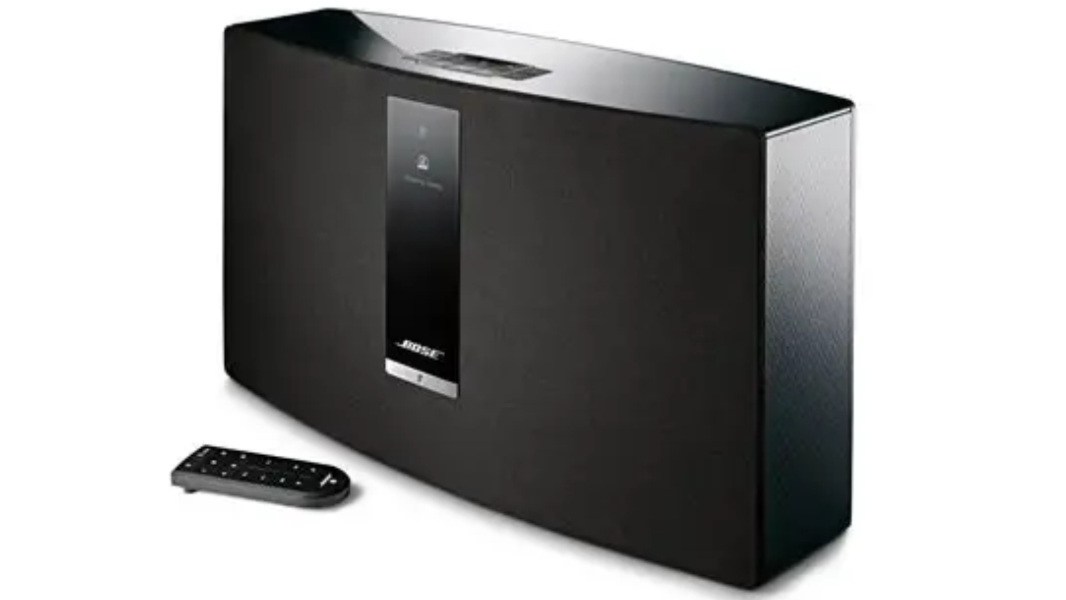
Bose announced last October that it would brick its oldest smart speakers in February, setting off customer complaints. But like Sonos before it, Bose heard the feedback and is changing its plans. Bose is also going beyond what Sonos did by open sourcing the software that drives its old SoundTouch Wi-Fi speakers.
“In October 2025, we announced cloud support for SoundTouch products would be ending,” a note on the Bose website explains. “Since then, we’ve heard from some owners with questions and feedback, and we’ve been listening carefully. Cloud support will still be ending, but we’re extending the date from February 18 to May 6, 2026, to better support you during the transition.”
There are other changes.
On May 6, Bose will issue an app update that will let its SoundTouch speakers, which date back to 2013, continue working normally with features like streaming music from apps, device setup and configuration, Play/Pause and other remote control features, and speaker grouping that don’t require the cloud. (The preset buttons on the speakers and browsing music services from the SoundTouch app will no longer work. And the speakers won’t receive any more security or other software updates.)
As exciting, Bose is also open sourcing the software that runs these speakers so that third parties can create new SoundTouch-compatible tools and features. The documentation for this set of developer APIs is now available on the Bose website.
Bose’s rationale for ending support for the old SoundTouch is both familiar and understandable: Many of these speakers are over a decade old and are now outdated and difficult to support alongside newer products. This is the same issue Sonos faced five years ago. And though the resulting drama was later drowned out by the Sonosgate issues of 2024 and 2025, Sonos angered its most loyal customers when it announced in early 2020 that it would obsolete its old smart speakers, some of which dated back to 2005. Then as now, customer outrage quickly triggered an about face: A few weeks later, Sonos apologized and said that the out-of-date smart speakers would continue working but wouldn’t receive any feature updates. The company later split its mobile app into two apps, Sonos S1 for the older speakers and Sonos S2 for support speakers.
Today, Sonos builds more sustainable smart speakers that can live on with USB-C and Bluetooth connectivity after they’re no longer supported. The Bose SoundTouch speakers will similarly work locally over Wi-Fi and via their AUX connections. And now the company says that AirPlay and Spotify Connect will continue working as well.
Bose has also issued SoundTouch end-of-service guidance in multiple languages for customers who need more help making this transition.