Google Announces Expanded Pixel 9 Series Family (Updated)
- Paul Thurrott
- Aug 13, 2024
-
0

As expected, Google today announced an expanded family of Pixel 9 series smartphones that includes larger Fold and Pro XL models in addition to the Pixel 9 and 9 Pro. But the event was really about the company’s broader AI efforts, and how its Gemini Assistant, Gemini Nano on-device AI models, and improved family of apps will improve our lives, no matter where we are or what we’re doing.
This was perhaps predictable: Google, like Apple, often makes its keynote and remote audiences wait for the devices everyone wants to see so that it can push complementary products and services first. But AI is a much bigger, and more expensive, innovation that’s central to everything Google is now doing. And so the event started off with an overview of the Gemini Assistant for Android and its growing list of functionality throughout the stack.
Google also pushed how these advances aren’t just for new flagship devices or only shipping in the U.S. in English: The firm is bringing Gemini functionality to hundreds of millions of existing devices from dozens of partners. And it is doing so across 45 languages in over 200 countries and territories. It’s also collaborating with partners like Motorola and Samsung to best take advantage of the unique new form factors we’ve seen in recent years.
One new feature, Gemini Live, incorporates multiple realistic voices and provides a free-flowing, voice-based conversational interface that seems much more natural than previous-generation Google Assistant, Alexa, or Siri-based interactions. It’s clearly meant as a counter to recent OpenAI announcements and advancements, and its advantages are curiously Microsoft like: A combination of AI smarts with your personal and work data, and the “world knowledge” only Google Search can provide.
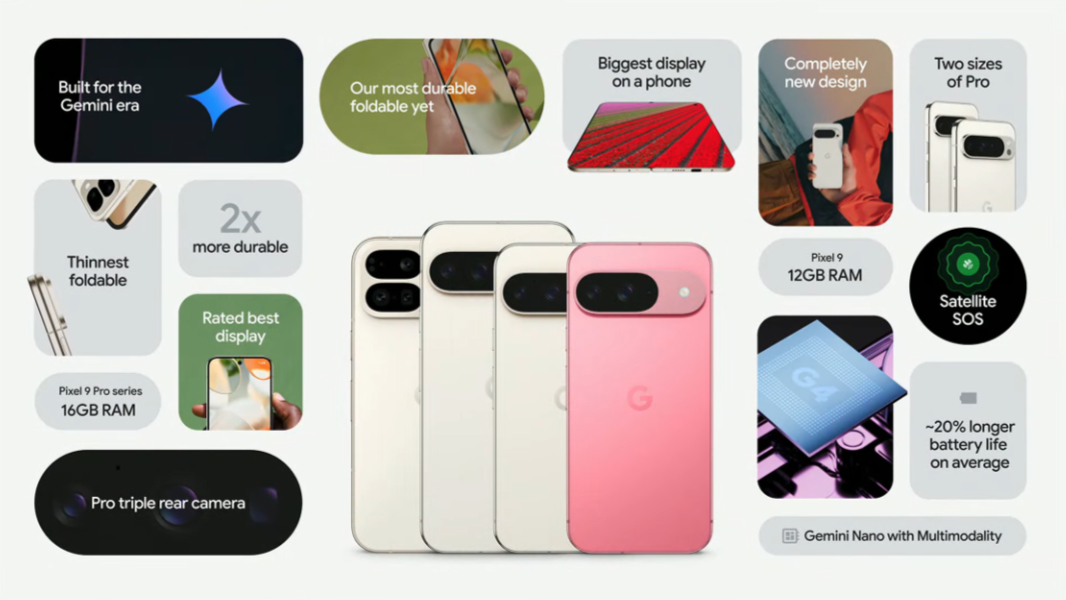
From there, we finally got to the new Pixel hardware. And there were no surprises, given all the leaks. The Pixel 9 family is the biggest yet, and it’s also the biggest year-over-year update yet. There’s a Pixel 9, Pixel 9 Pro, Pixel 9 Pro XL, and Pixel 9 Pro Fold. Each is powered by Google’s Tensor G4 processor, and each gets a RAM upgrade: 12 GB for Pixel 9 and 16 GB for all the Pro models. Each gets a display upgrade, with more durable Corning Victus 2, brighter output, and an ultrasonic in-display fingerprint sensor that’s 50 percent faster than with previous generation Pixels.
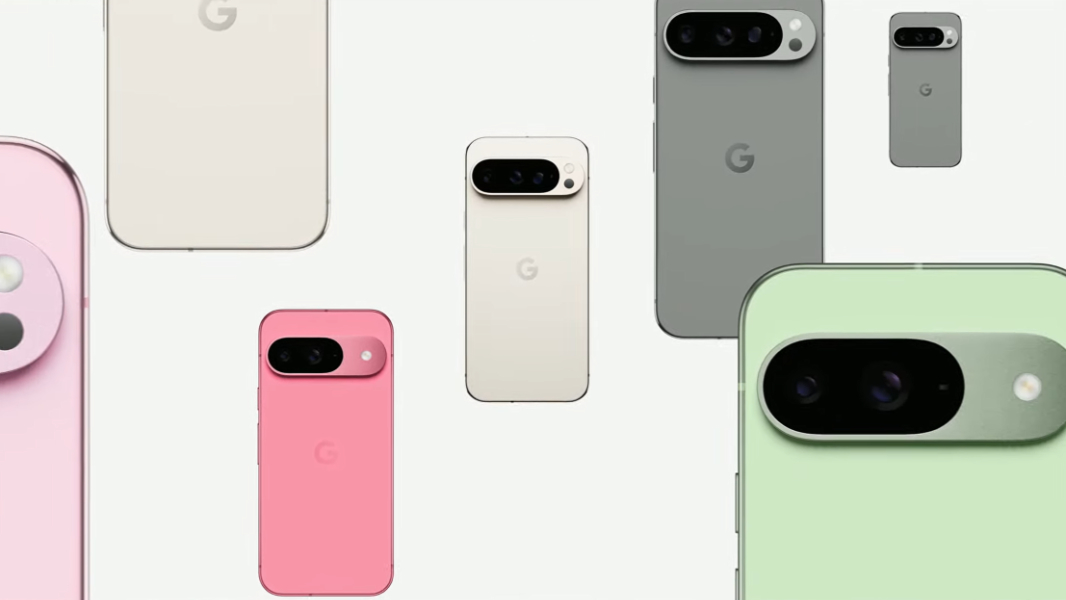
The devices are undeniably gorgeous, with a stunning updated design, luxurious metal frames with rounded corners, and a new range of colors. The Pixel 9 Pro fold is notably improved: It’s the thinnest foldable phone, has the largest display of any phone, and has the best camera system in any foldable phone. But each Pixel 9 also gets a new vapor chamber for cooling, and the device sports 20 percent better battery life than before. There’s also a long-awaited Google Satellite SOS feature, coming first to the U.S. and regardless of carrier.
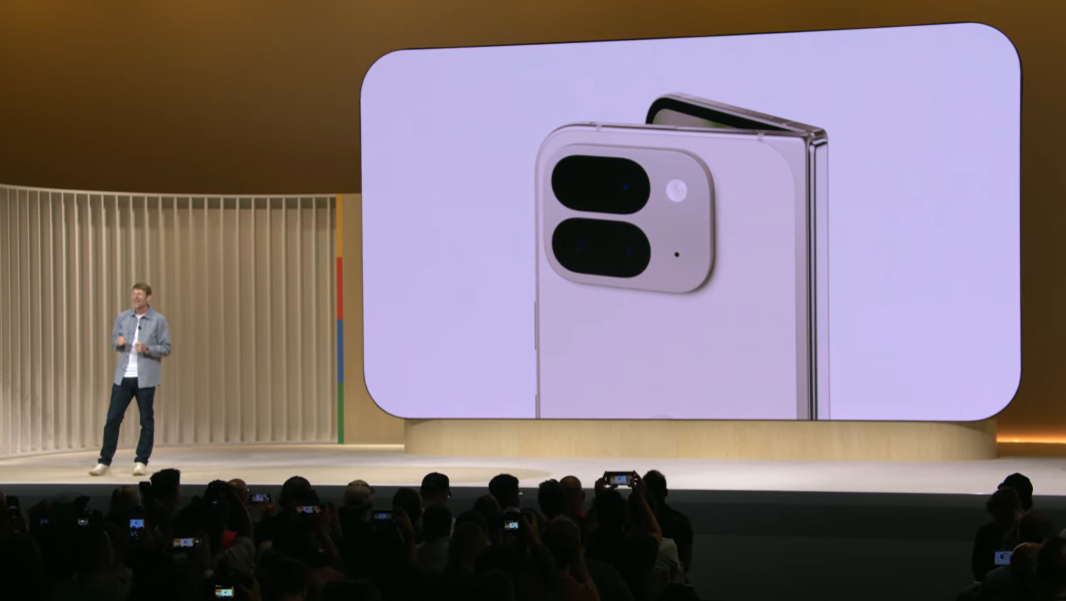
There are numerous camera improvements, of course. A new Magic Editor experiences uses generative AI to deliver next-level on-device photo editing with auto-frame, portrait, sky, and golden hour improvements. Google is augmenting Night Sight with impressive-looking night panoramas. The rumored Add Me feature–also impressive–uses AI to add individuals to group shots by combining two photos. And a fun Made You Look feature for the Fold puts fun imagery on the outside screen to capture a small child’s attention so you can get the perfect photo. The Fold also supports dual screen preview and rear camera selfies, plus Pro controls. The Pro models all feature 5x optical zoom.
The Pixel 9 starts at $799, while the Pixel 9 Pro starts at $999 and the 6.8-inch Pixel 9 Pro XL starts at $1099. Each starts shipping on August 22. The Pixel 9 Pro Fold starts at $1799 and will start shipping on September 4. All three Pro phones include one year of Gemini Advanced with 2 TB of Google One storage for free.
Google also announced the Pixel Watch 3 in 41 mm and 45 mm, with prices starting at $349. Finally, Google is also selling a new Pixel Buds Pro 2 with a Tensor A1 chip for improved ANC and sound quality, for $229.
I’ll be writing more about the Google announcements soon.