Ignite 2024: Microsoft Announces Windows Resiliency Initiative
- Laurent Giret
- Nov 19, 2024
-
2
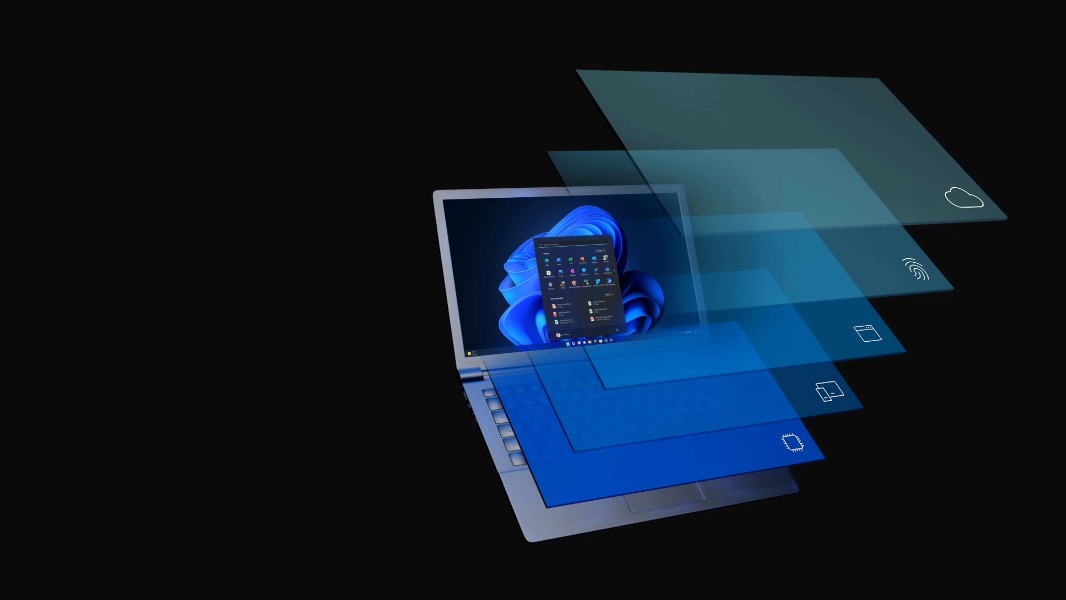
After announcing earlier this year that it was making security its “top priority,” Microsoft is using its Ignite conference for IT Pros this week to detail new updates for the Secure Future Initiative (SFI) it launched a year ago. One of these updates is the new Windows Resiliency Initiative, which aims to ensure that Windows remains “the most reliable and resilient open platform” for the company’s customers.
David Weston, Vice President, Enterprise and OS Security at Microsoft explained today that the Windows Resiliency Initiative will be focusing on four areas: Strengthening Windows reliability following the massive CrowdStrike outage in July, enabling more apps and users to run without admin privileges, providing stronger controls for what apps and drivers are allowed to run, and improving identity protection to prevent phishing attacks.
In early 2025, Microsoft will start testing a new Quick Machine Recovery feature that will allow IT admins to deploy targeted fixes on all PCs (even those that are unable to boot) via Windows Update. “This remote recovery will unblock your employees from broad issues much faster than what has been possible in the past,” Weston explained today.
Microsoft also announced new Safe Deployment Practices that will apply to members of its Microsoft Virus Initiative. Soon, all security products will be required to go though different deployment rings with deep monitoring to ensure that a single update isn’t going to cause a massive disruption like a buggy CrowdStrike update did over the summer.
The software giant is already committed to adopting safer programming languages, and the company will be gradually moving functionality from C++ implementation to Rust. In July 2025, Microsoft will also launch a private preview program for security product developers interested in building their products outside of kernel mode. “This change will help security developers provide a high level of security, easier recovery, and there will be less impact to Windows in the event of a crash or mistake,” Weston explained.
Lastly, Microsoft also detailed today new features to help commercial customers improve the security of Windows 11 PCs. Administrator protection, which is currently in preview, allows users with standard permissions to securely authorize changes that require admin privileges using Windows Hello authentication. Microsoft is also adding Personal Data Encryption for known folders on Windows 11 Enterprise, which will protect files stored in the Desktop, Documents, and Pictures folders with Windows Hello authentication.