Google I/O 2025: But Wait, There’s More
- Paul Thurrott
- May 20, 2025
-
3
And you thought Build 2025 was dense with information: Google unleashed a tsunami of new AI products and services today. It’s difficult to even know where to start. And that’s not even counting the developer-related announcements I already breezed through–in fact, there’s more to report there–or the user-facing announcements that Laurent covered earlier as well.
This is a bit overwhelming. But here’s a quick rundown of three of the bigger announcements from Google I/O that we were not pre-briefed on.
Gemini as a universal AI assistant. Gemini is being infused into every Google product and service imaginable and to a degree we never saw with its predecessor, Google Assistant. That makes sense: Gemini is dramatically more powerful and capable, and having so many popular offerings, from Gmail to Photos to Maps to YouTube and everything in-between, Google has incredible reach. And now, so will Gemini. It’s getting Project Astra-based video understanding, screen sharing, and memory features, many of which will come to Gemini Live (and on mobile, where they can be particularly effective). Agentic capabilities based on Project Mariner that allow it to complete up to 10 tasks at the same time. Major updates to Deep Research and Canvas. Interactive quiz capabilities for students. And so much more.
Material 3 Expressive to debut in Android 16 QPR1. There were some questions about when the recently revealed new user interface for Android would debut–it seemed like the initial release of Android 16 was too soon–but now we know: Material 3 Expressive will debut in the first quarterly update for Android 16, called QPR1. And we know this because Google today released Android 16 QPR1 Beta 1 for supported Pixel devices and one of the key new features in this release is a subset of the Material 3 Expressive UI changes, including a visual refresh to notifications, quick settings, the lock screen, and the launcher.
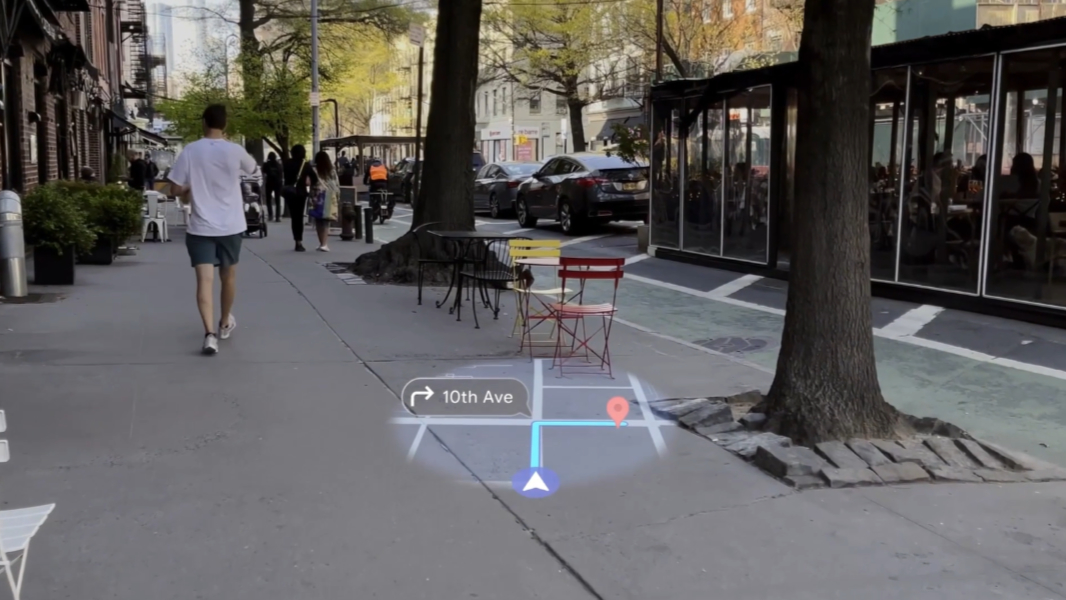
Android XR platform, headsets, and glasses. Android XR is Google’s extended reality (XR) platform, and it’s working with Samsung and Qualcomm to bring the first hardware and software to market in late 2025. But today, we got more details: The first headset, code-named Samsung Moohan, will indeed debut this year, and the demos we saw today look impressive. Even better, Google is also partnering with Gentle Monster and Warby Parker to create stylish Android XR-based glasses, and that demo was even more impressive. “Android XR glasses will work in real-world scenarios, including messaging friends, making appointments, asking for turn-by-turn directions, taking photos and more,” Google says. “We even demoed live language translation between two people, showing the potential for these glasses to break down language barriers — giving you subtitles for the real world.”