Mozilla Announces AI Window for Firefox
- Paul Thurrott
- Nov 13, 2025
-
4
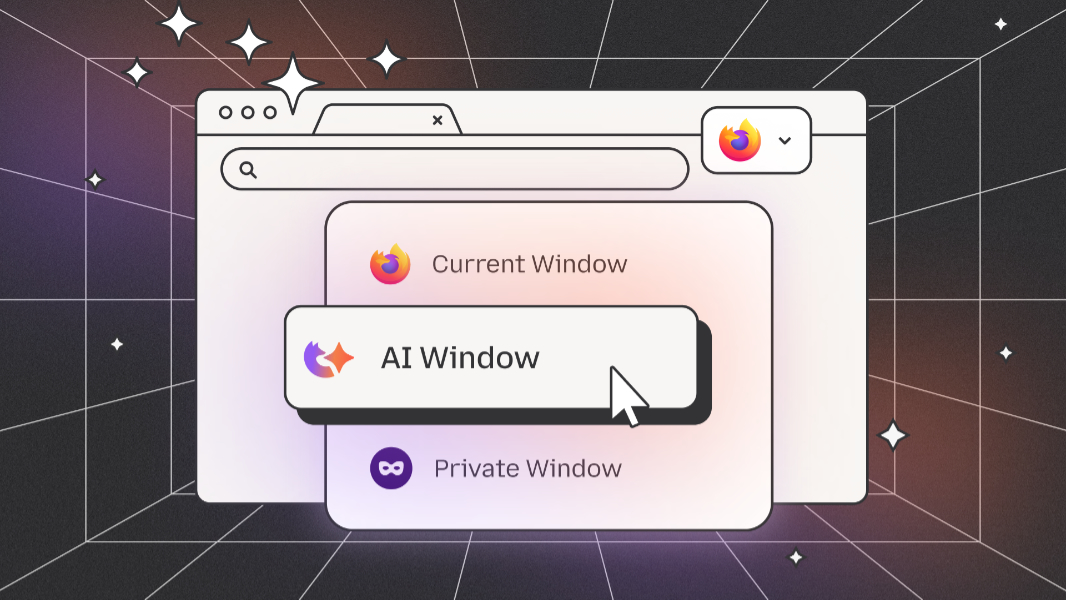
Mozilla announced a new opt-in experience for Firefox called AI Window that will work alongside the web browser’s Classic and Private browsing modes and let users access their preferred AI chatbots and agents only when they need them. AI Window is a major step toward Mozilla fulfilling its promise to bring AI features to Firefox without sacrificing user choice or privacy.
“We believe AI should be built like the internet — open, accessible, and driven by choice — so that users and the developers helping to build it can use it as they wish, help shape it and truly benefit from it,” Mozilla’s Ajit Varma writes. “In Firefox, you’ll never be locked into one ecosystem or have AI forced into your browsing experience. You decide when, how or whether to use it at all.”
Mozilla introduced AI chatbot capabilities in the Firefox sidebar in preview in late 2024 and then shipped that functionality as part of Firefox 135 in February, and its Shake to Summarize feature in Firefox for iPhone earned it a spot in TIME’s Best Inventions of 2025 list. And of course the browser supports AI-based features like automatic alt text generation, language translation capabilities, AI-enhanced tab groups, and Link preview summaries.
But AI Window could be a much bigger change. It’s not available in Firefox yet, and you can join the waitlist to be notified when it’s available in preview. But as a top-level browsing mode like Classic and Private browsing, AI Window looks like an interesting way to handle AI chatbots and the coming wave of agentic innovations in a safe, in-control way. And it stands in sharp contrast to the way Google, Microsoft, and others are hard-coding AI capabilities directly into their web browsers.
Firefox describes AI Window as an intelligent and user-controlled space that will let users chat with AI assistants and get help with browsing only when they need it. Firefox is building AI Window in the open, and it will use feedback to guide how the feature develops. And because it’s completely opt-in, you never have to deal with AI assistants or agentic AI unless you want to.
“We believe standing still while technology moves forward doesn’t benefit the web or humanity,” Varma adds, addressing the obvious concerns from the AI averse. “That’s why we see it as our responsibility to shape how AI integrates into the web — in ways that protect and give people more choice, not less.”
This looks interesting to me, and it’s nice to see Mozilla embracing its roots in trying to get Firefox back on track after what feels like years of neglect. Evolving this browser with the help of the community is clearly the right choice.