Google Pixel 10a First Impressions
- Paul Thurrott
- Mar 04, 2026
-
14
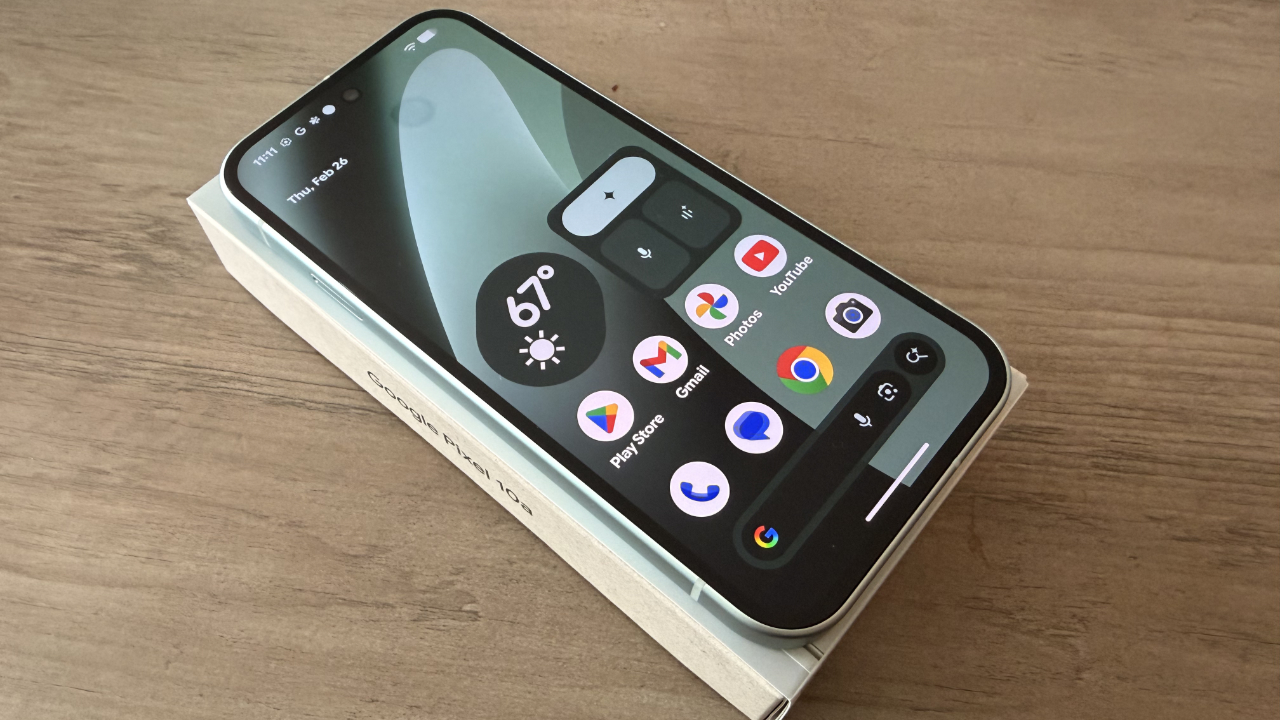
My Pixel 10a review unit was delivered by hand by a Google courier here in Mexico City one week ago, which is amusing. But there’s nothing amusing about the Pixel 10a: I can already tell that this is a delightful and affordable little smartphone that will meet most people’s needs nicely.
I love this phone. And I write those words understanding the limitations of an entry-level smartphone and my own needs for a larger display. But there’s something special happening here.
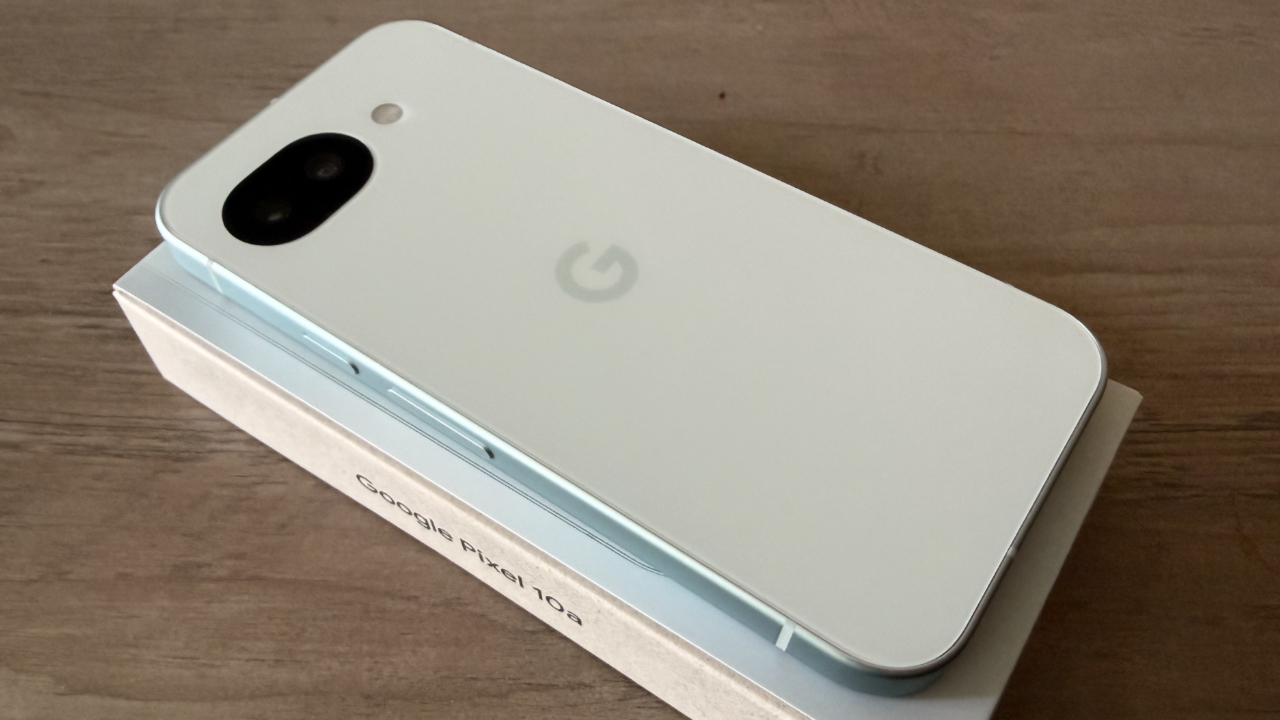
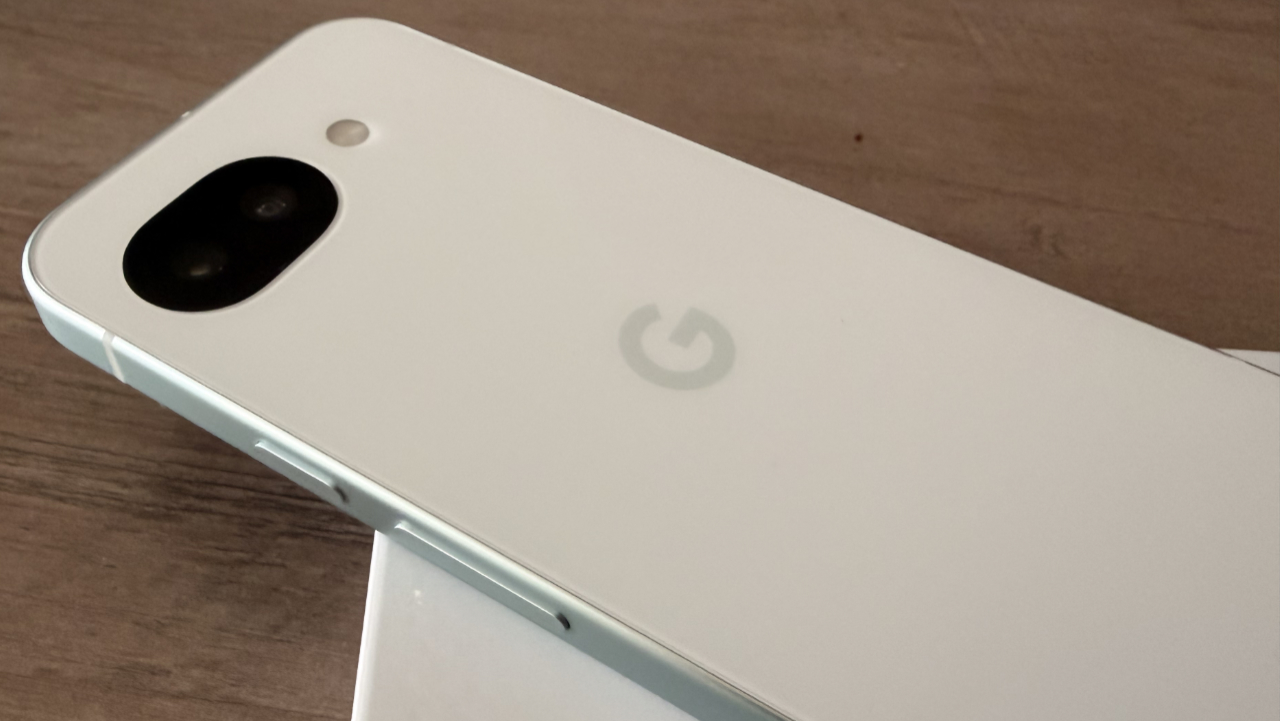
I wrote about the specs and the basic value proposition of this device in my Google Pixel 10a Preview about 10 days ago. The model I received on loan was my first color choice, Fog, which is a sort of gray/green color, though the back is much lighter than the sides and lighter than I expected. It has the base 128 GB of storage, so the normal retail price is $499, which undercuts the just-announced Apple iPhone 17e by about $100.
There’s an interesting comparison to be had there, of course. Apple provides a base 256 GB of storage and MagSafe capabilities on the iPhone 17e, which are nice advantages, but that device is also hobbled by a notch. On the Google side, the Pixel 10a has the superior camera system, with two rear-facing lenses, a bigger display, and all the Pixel-related AI and functional advances Apple lacks. That said, I’m not sure how many people are shopping between iPhone and Pixel.
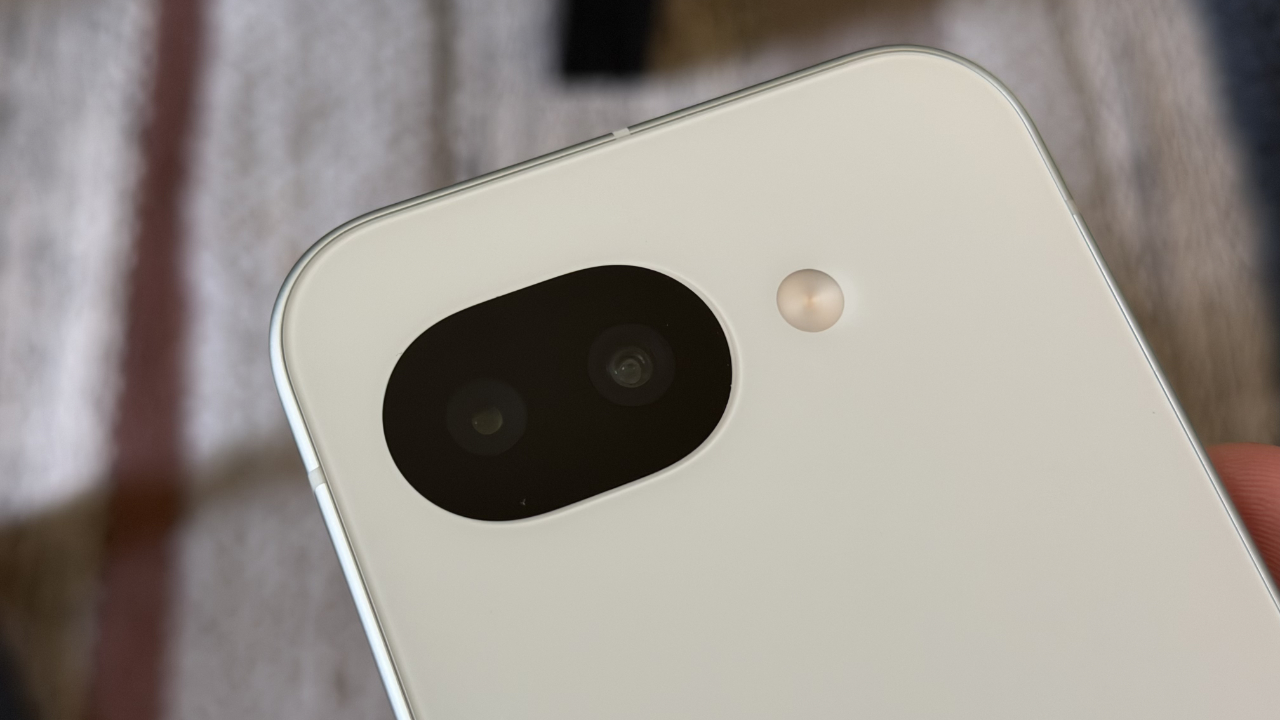
As for my Pixel 10a review unit, Google didn’t include a case, though I have to say I’m impressed by the quality of the design and construction. This doesn’t look or feel like a low- or mid-level phone in any way; if anything, it gives off a high-quality premium vibe that’s in keeping with the other Pixel 10 series devices. I did of course get an inexpensive (clear) case because I’m not a psychopath, but my options were limited ahead of general availability and I’d love to get a MagSafe-compatible case with magnets.
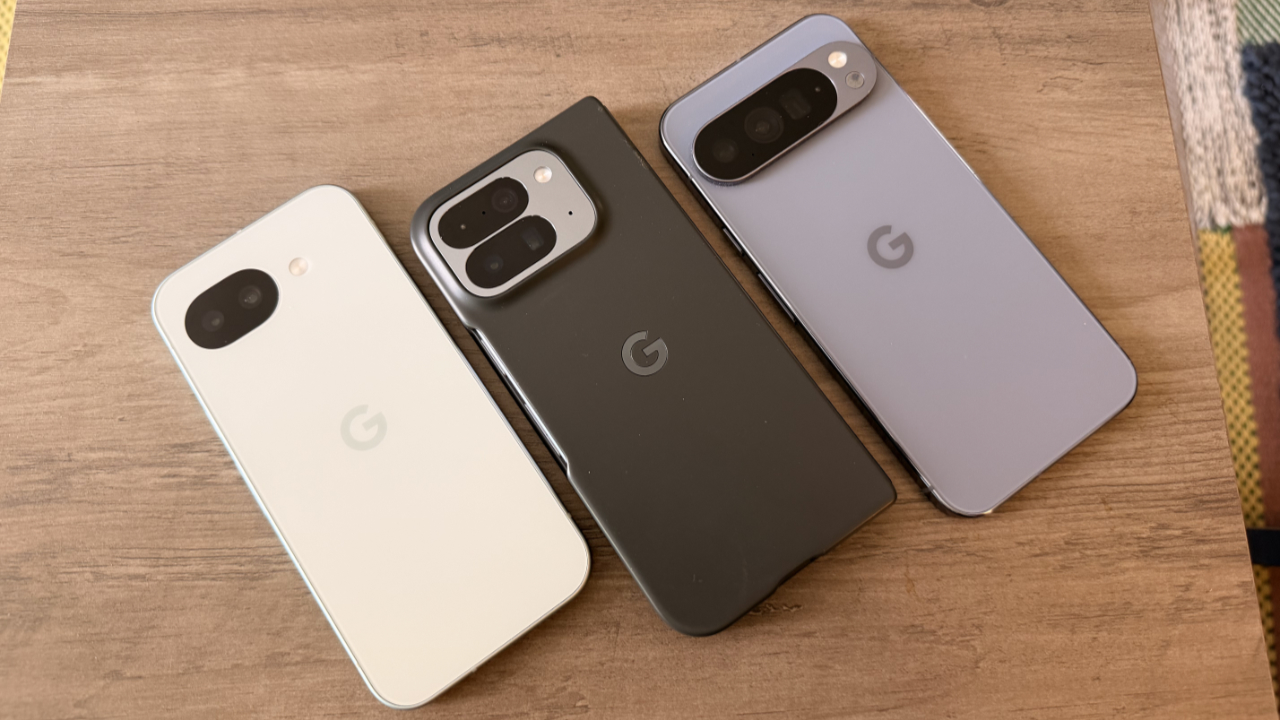
I hate having to use a case. Compared to the 0.3-inch thin Pixel 10 Pro XL–I don’t have the base Pixel 10 or Pixel 10 Pro here with me in Mexico–the 0.4-inch Pixel 10a is apparently slightly thicker, but I can’t actually see that with my own eyes. What I can see is that the Pixel 10a has matte sides that I very much prefer to the flashy, glossy sides on the Pros.
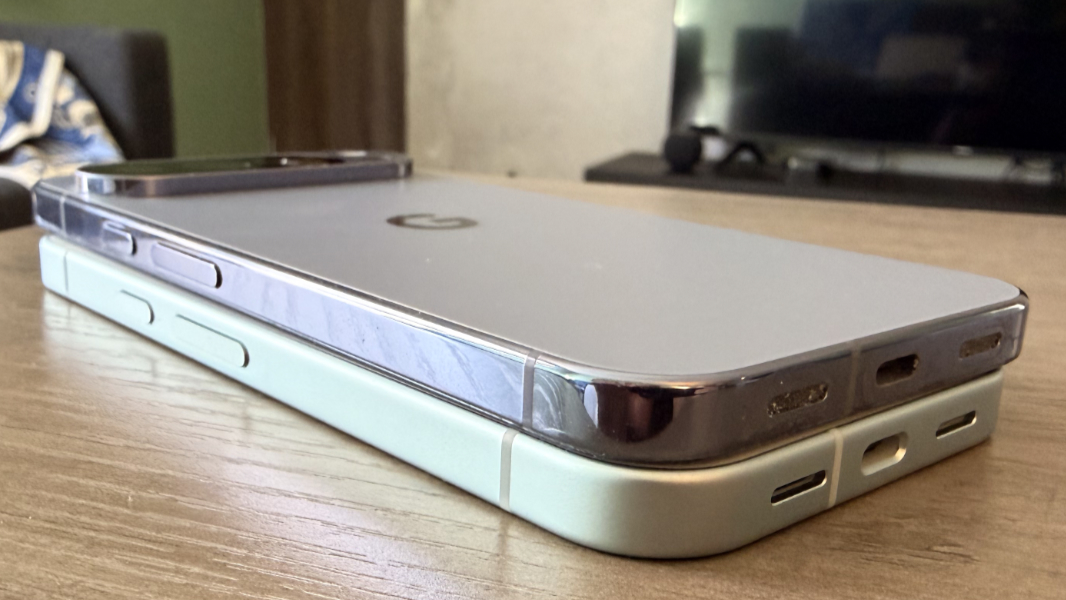
Indeed, if it weren’t for that standard bar of soap-style slipperiness, I might even consider using the Pixel 10a without a case. The sides don’t pick up fingerprints at all, and the feel, as noted, is premium. But slippery it is, so here we are.
The Pixel 10a is a nice size. Yes, I prefer big phones, mostly because of my vision, but the 6.3-inch Pixel 10a display is crisp and clear, and its 422 pixels per inch (PPI) is higher than that of the Pixel 10 Pro Fold’s outside display, which is just 408 PPI despite being almost the same physical size. Granted, that’s also a bit lower than the 460 PPI iPhone 17 Pro Max and 486 PPI Pixel 10 Pro XL displays but those are more premium devices with bigger displays. The bezels are a bit chunky, but that’s understandable at this price point.
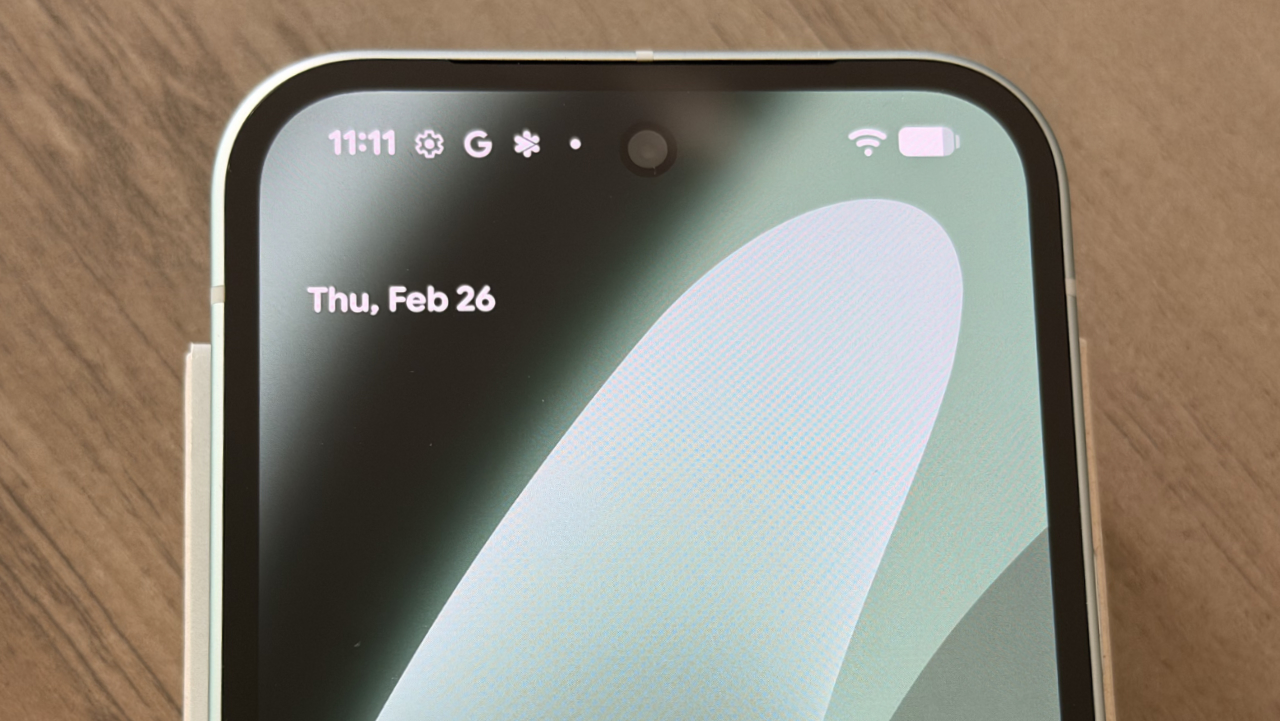
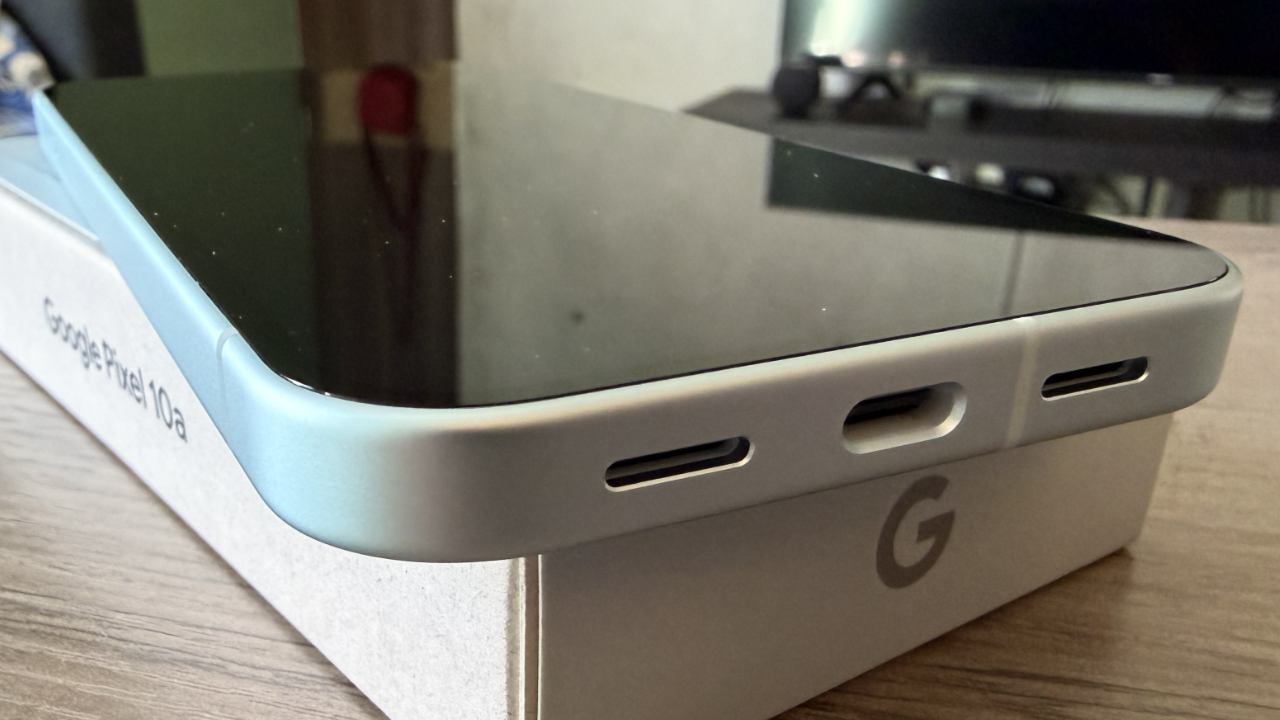
On the bottom of the Pixel 10a, there’s a speaker, a USB 3.2 Type-C port, and a microphone.
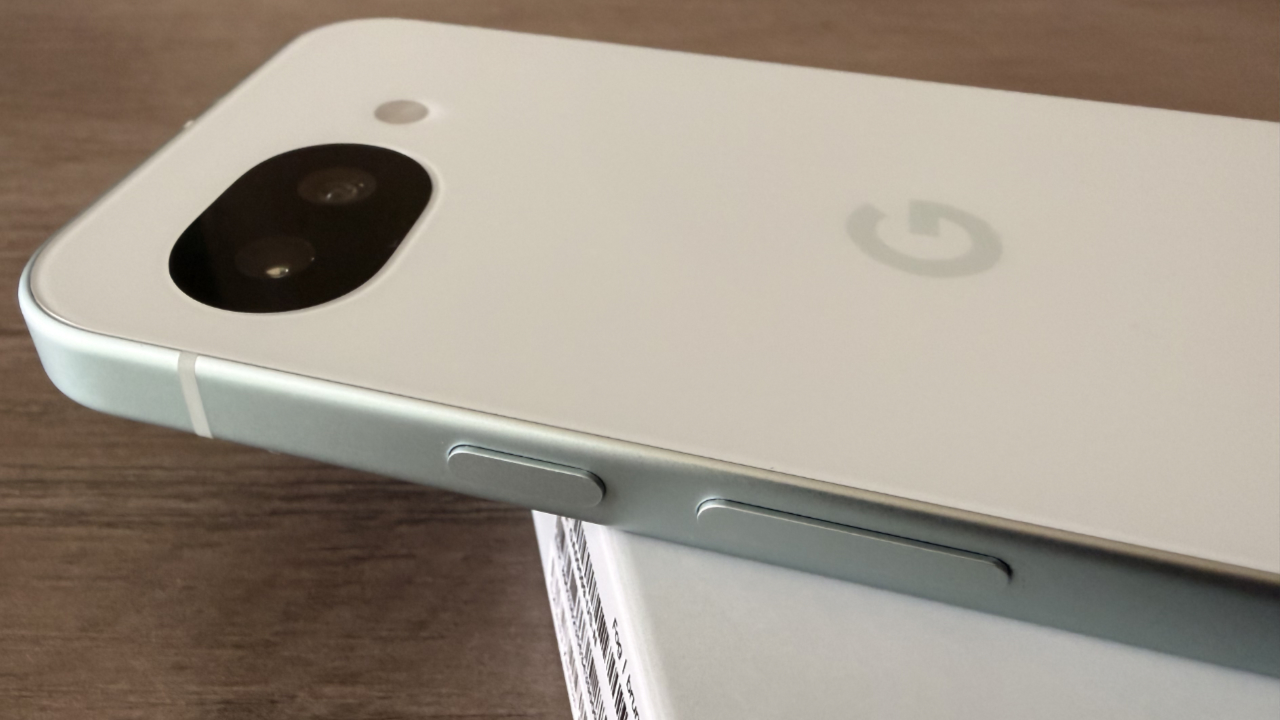
The right side of the device has the standard Google power, volume up, and volume down buttons, from top to bottom.
The left side is buttonless, but there’s a nano-SIM card slot. I can’t recall the last time I saw one of those, but I won’t be needing it.
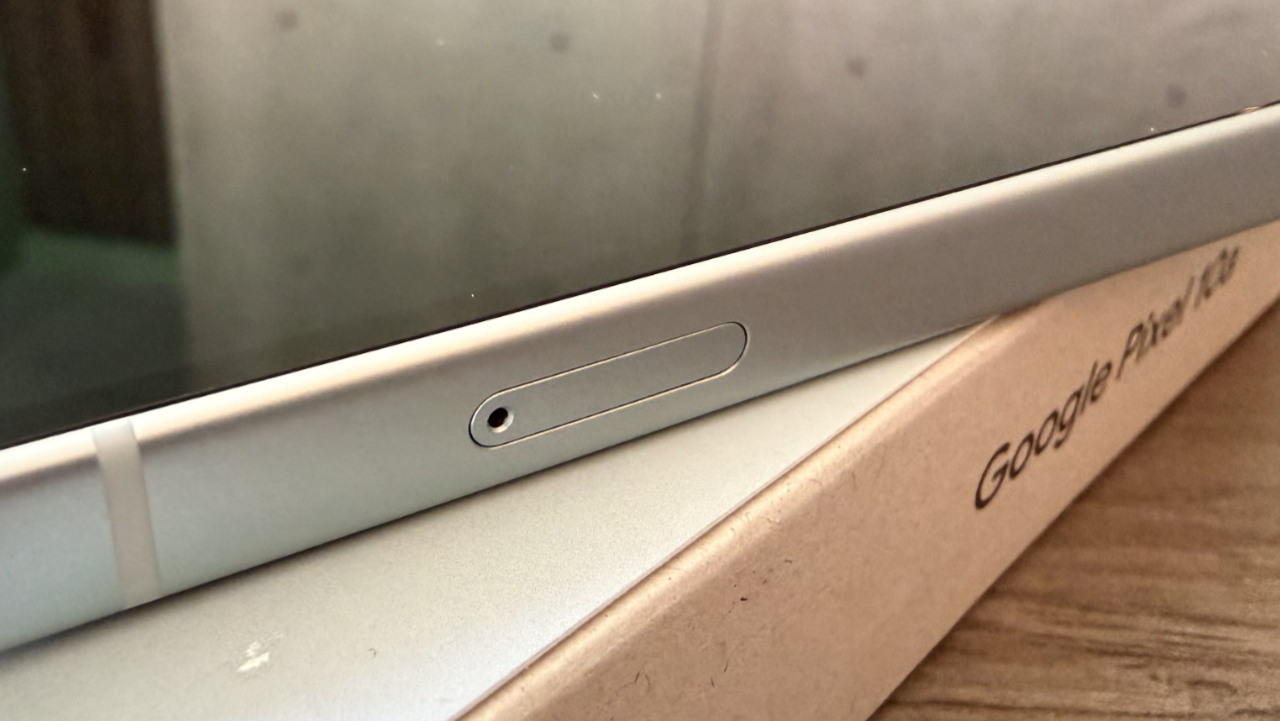
And the top is basically empty save for a microphone pinhole and, in the top bezel, an earpiece that doubles as the second speaker.
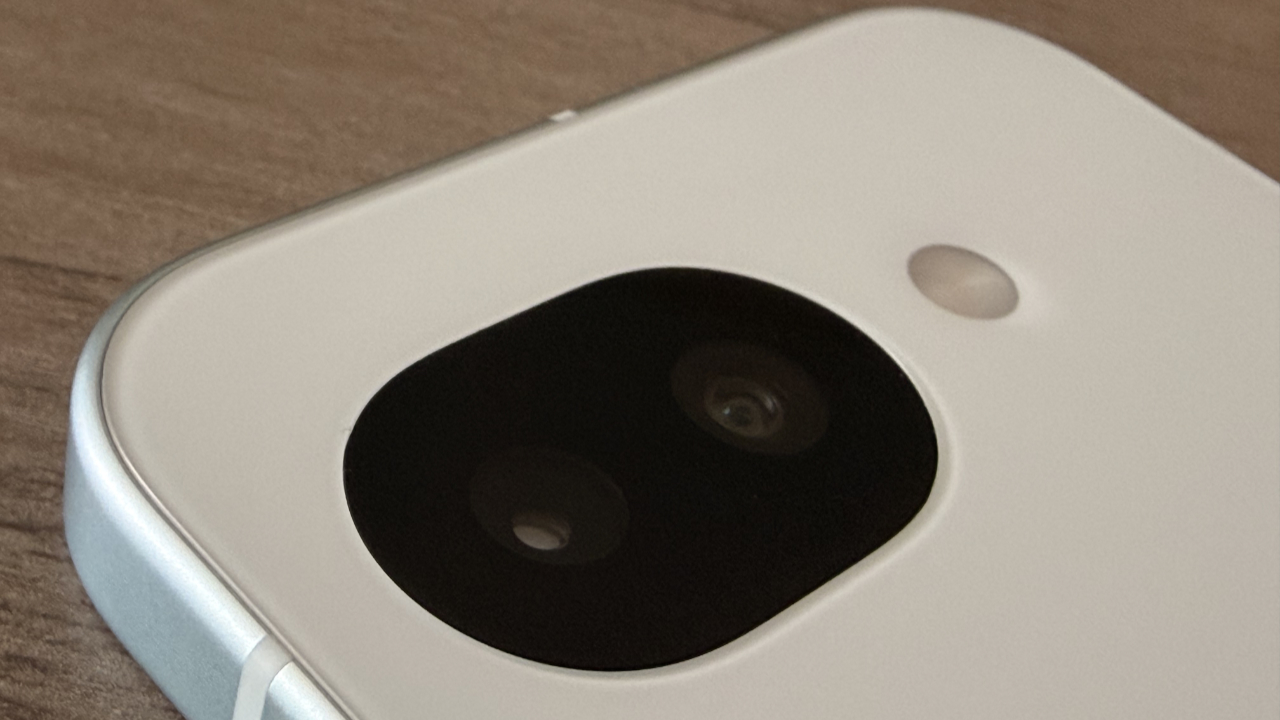
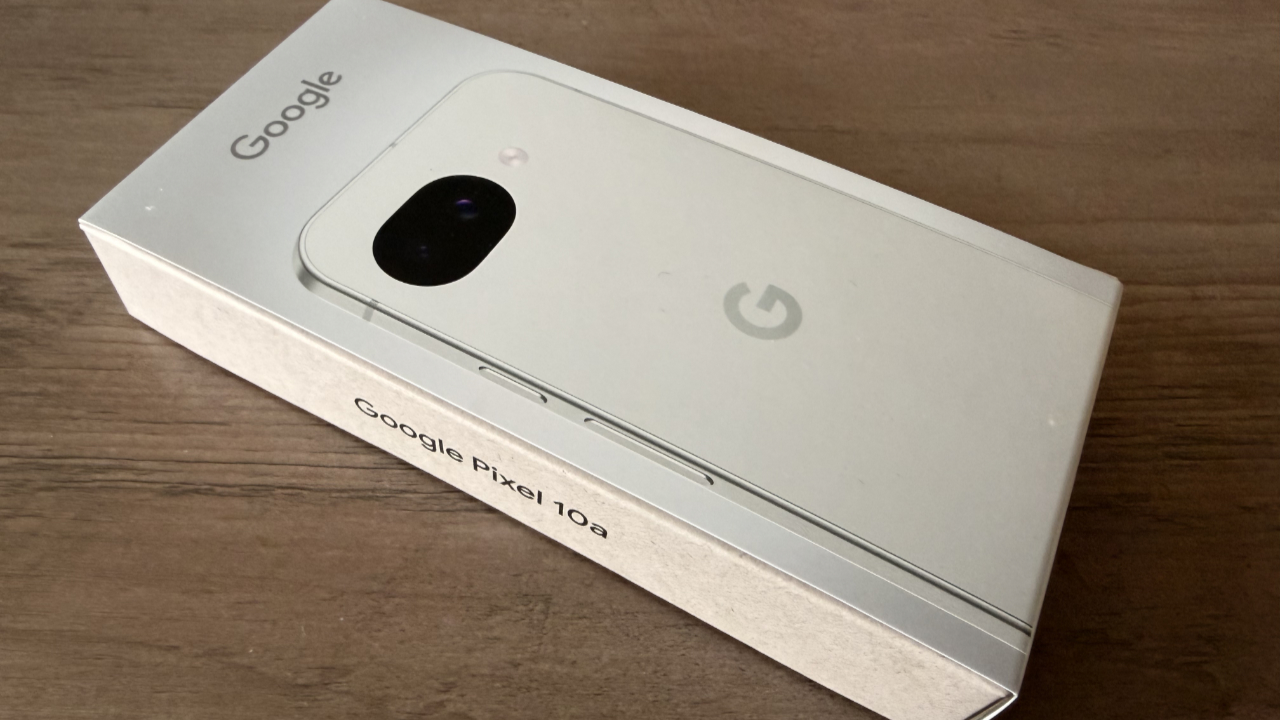
The packaging itself screams ecofriendly and it’s as small as it can be given the device it needs to transport.
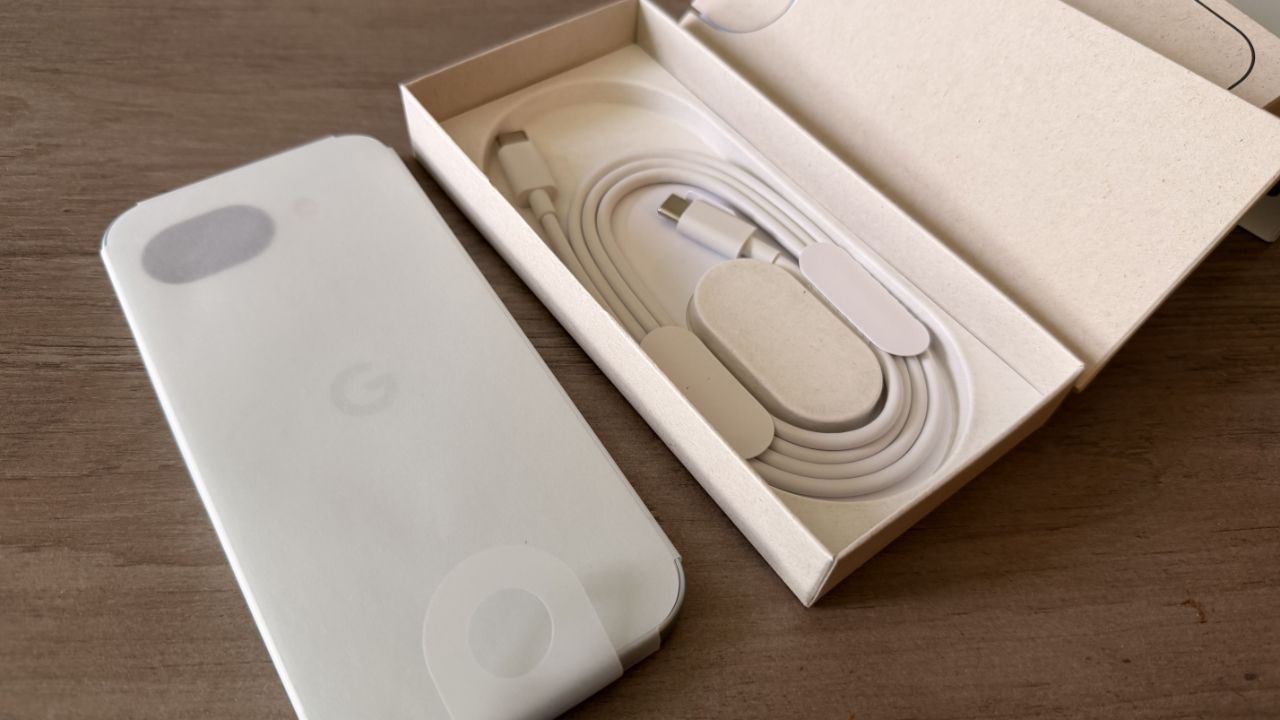
In the box, Google bundles a USB-C charging cable, but I assume it’s USB 2.0 and won’t be using it beyond checking to make sure that’s what it is. Beyond that, you get a SIM tray tool and some tiny paperwork.
I have started using the Pixel 10a daily, and after I did the initial setup, I took it out into the world on day one and started testing the dual rear camera system.
It was an instant pleasure: Google does something magical with photography and from the first picture onward, I’ve been rewarded with crisp, colorful, and perfectly balanced shots that look natural but not dull.
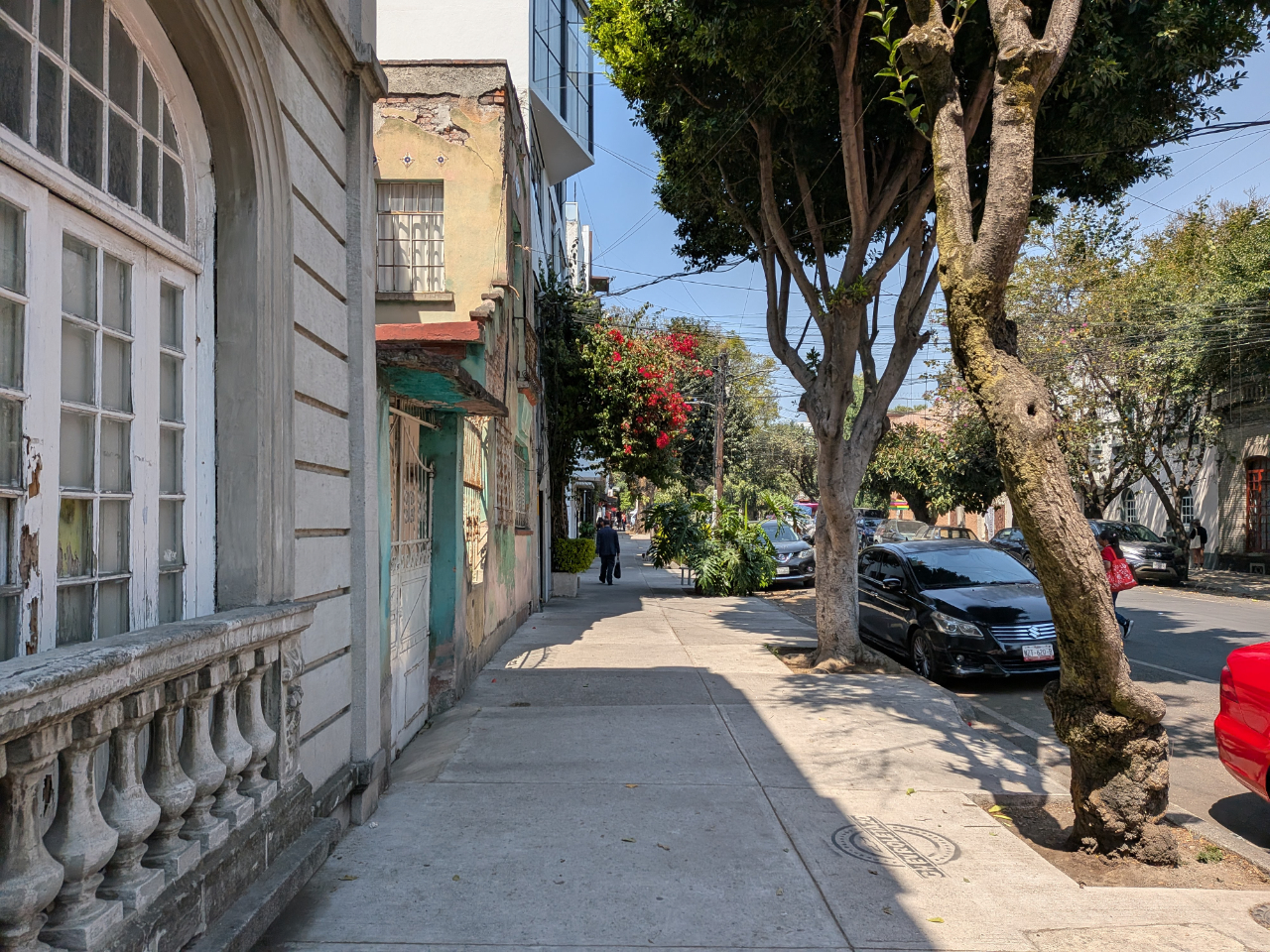
It’s a good reminder of how good Pixels are this way, even the entry-level models like the Pixel 10a, and I’m looking forward to comparing some shots with other Pixels and my iPhone 17 Pro Max.

There are limitations, of course: Even a 2x or 3x optical zoom would be nice, but the Pixel 10a only zooms out to 8x digital. But the test shots I took at that zoom level are usable and perhaps better than expected.

And I do love the flush camera lenses on the back. There is something special about this design, no doubt about it.
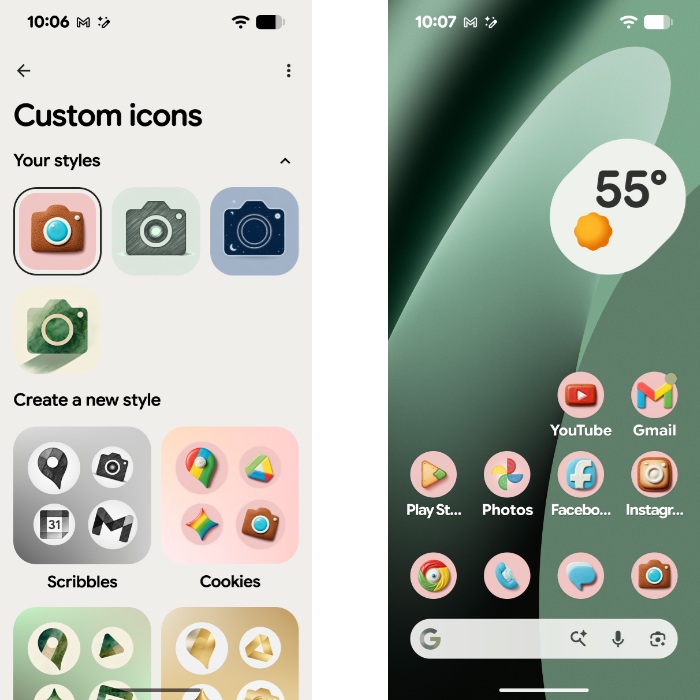
years of Android version upgrades and monthly security updates—and the quarterly feature updates that come via Android updates and Pixel Drops. Indeed, in a bit of good timing, , upgrading the Android 16 OS to QPR3. Which, among other things, includes a fun new AI-based custom home screen icon style maker.
I have all kinds of questions still, but those will be answered with time and experience. For example, I am curious about the battery life, of course, given that Google claims 30+ hours (compared to 24+ hours with the Pixel 10 Pro XL). And I’m even more curious about the charging speeds. I guess I’m generally curious about anything here that some might term a compromise, given the overall quality of the real world experience.
But it’s only been a week, so I’ll have more soon. But I keep waiting for that moment of letdown, and it hasn’t happened yet.