IDC: Smartphone Sales Declined 4.1 Percent in Q1
- Paul Thurrott
- Apr 15, 2026
-
6
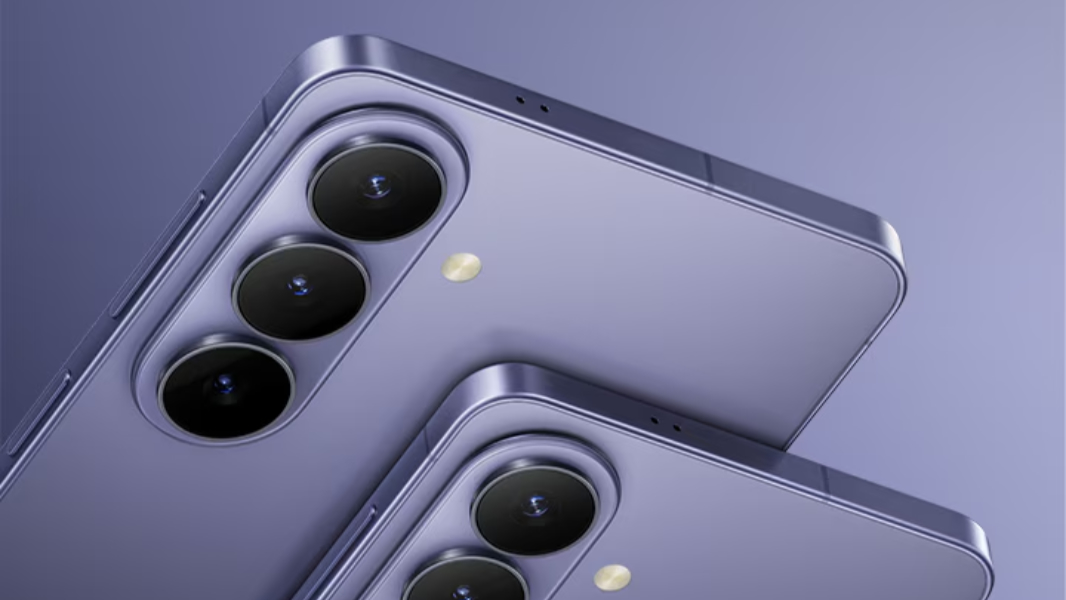
The market researchers at IDC reported that hardware makers sold 290 million smartphones in the first quarter, a decline of 4.1 percent year-over-year (YOY). But Samsung and Apple both saw shipments rise, with Samsung outselling and outgrowing Apple.
“The smartphone market has entered one of its most challenging periods, driven by acute memory supply constraints that are directly impacting both shipments and demand,” IDC senior research director Nabila Popal says. “Limited memory availability is forcing shipment reductions, while sharply higher memory prices are pushing up bill‑of‑materials cost and forcing price hikes by many top brands.”
Until this quarter, the smartphone industry had experienced 10 consecutive quarters of growth worldwide. But IDC warns that the shortfall will only get worse as we get further into 2026.
Samsung was again the world’s biggest maker of smartphones, thanks to strong demand for the Galaxy S26 family of devices. The firm sold 63 million smartphones, up 3.6 percent YOY, and obtained 21.7 percent marketshare.
Apple was number two with 61.1 million iPhones sold, up 3.3 percent YOY, and good for 21.1 percent marketshare. IDC credited strong growth in China for the gains, though it noted that supply disruptions and a reduction in channel support in some key markets hindered growth.
The rest of the top smartphone makers sold fewer devices than in the year ago quarter. Xiaomi was number three, but it fell the hardest, to 33.8 million units, 11.7 percent marketshare, and a decline of 19.1 percent YOY. OPPO (30.7 million units, 10.6 percent share, a decline of 9.9 percent) and Vivo (21.1 million, 7.3 percent, a decline of 6.8 percent) rounded out the top five.
According to IDC, smartphone prices have gone up as much as 50 percent because of the issues with memory, and the pointless and illegal U.S. war against Iran isn’t helping, as it is triggering “rising component, energy, and logistics costs.” IDC says we can expect higher prices, fewer options in emerging markets, and problems that are worse than those experienced during the COVID-19 pandemic thanks to this volatility.