Meta Agrees to Pay Up to $18 Billion to Settle US Social Media Addiction Lawsuit
- Laurent Giret
- Aug 27, 2026
-
2
Meta announced yesterday that it would implement changes to make Facebook and Instagram less addictive for US teenagers after settling a lawsuit with a coalition of 47 states, the District of Columbia, and U.S. territories. As part of the landmark settlement, Meta also agreed to pay approximately $18 billion in penalties and committed to establishing an independent social media research foundation to explore “how to best support teens online.”
While the new protections for teens on Instagram and Facebook will only be implemented in the US, the settlement may well impact the design of social media apps everywhere. In its press release, Meta actually called for TikTok and YouTube to “put the same measures in place.”
The settlement comes four months after a US jury determined that the addictive nature of YouTube and Instagram were responsible for the mental health issues of a 20-year-old woman. At the time, the court ordered Meta and Google to pay $3 million in compensatory damages and an additional $3 million in punitive damages, but both companies said at the time that they would appeal the verdict.
Yesterday, however, Meta was in a much more forward-thinking position. And if you read the press release, the company doesn’t really admit any wrongdoing.
“Over the years, we have consistently partnered with parents and experts — listening, learning, and building. That’s why we launched Teen Accounts in 2024, to bring automatic protections to teens, and more control for parents. Ensuring teens have a safe and productive experience on our platforms is an absolute imperative for Meta. We want to get this right for parents and teens, and that’s why we partnered with state attorneys general to set a new industry standard,” the company said yesterday.
Here are the main changes Meta agreed to implement for teenagers using Facebook and Instagram in the US
- There will be a default two-hour daily time limit for users unders under 18 across Instagram and Facebook that teens will only be able to turn off with a parent’s permission.
- Access to the two apps will be blocked for teens between midnight and 6 AM.
- Teens will receive no notifications during school hours (between 8 AM and 3 PM), except for direct messages and alerts about account security or safety.
- Prompts about continuous screen time will be displayed every 15 minutes, with additional prompts about total daily usage appearing every 60 and 90 minutes.
- Teens will get to choose a non-algorithmic feed as their default.
- Likes and reactions on posts will be hidden by default.
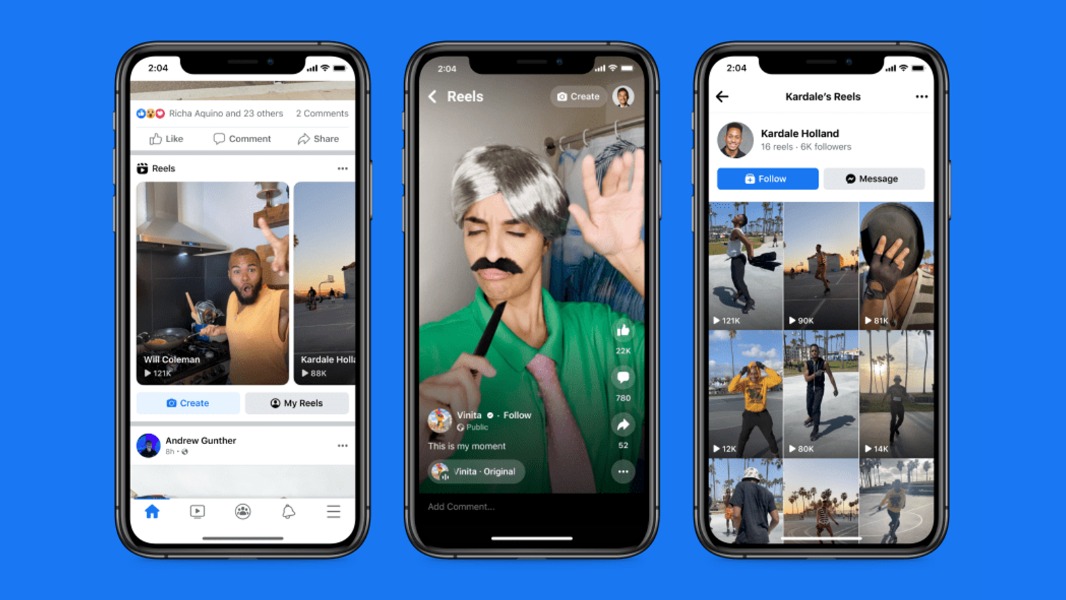
- Teens will be able to disable autoplay on Reels videos.
- Parents will get new supervision controls to manage how their teens use their apps. Meta will also notify parents when their teen links a secondary account or interacts with suspicious accounts.
Meta also said yesterday that it’s “investing in even stronger technology to proactively catch accounts that may belong to under-13s.” The company is also “strengthening the technology we use to identify accounts that may be between the ages of 13 and 17, so we can ensure those accounts are placed in experiences designed for teens, even if they give us an adult birthday.”
While Meta wants to push its competitors lik to adopt similar protections for teens, none of them have reacted to the settlement yet. Still, several lawsuits are ongoing against TikTok, YouTube, and Snap, accusing the tech companies of designing their platforms to be addictive for teenagers.