Report: Meta to Add Facial Recognition Technology to Ray-Ban Smart Glasses
- Laurent Giret
- Feb 13, 2026
-
5
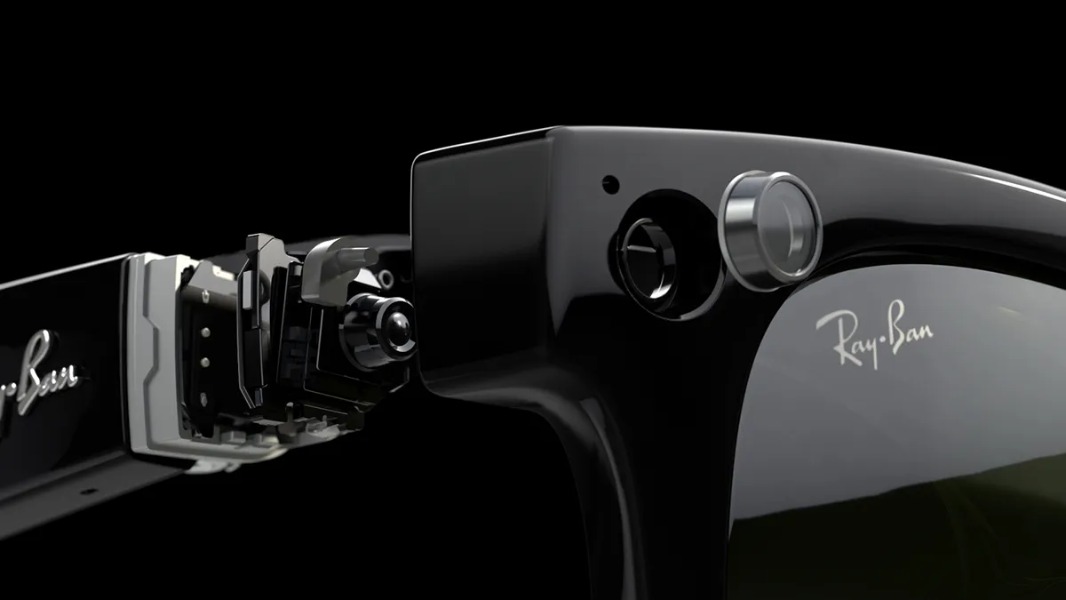
Meta is reportedly working on a new facial recognition feature for the Ray-Ban smart glasses that come with a built-in camera. The New York Times is reporting that facial recognition, which is code-named “Name Tag” internally, may ship as soon as this year.
The feature will allow owners of Meta’s smart glasses to “identify people and get information about them via Meta’s artificial intelligence assistant,” the report said. Two sources told the publication that the facial recognition technology may be able to recognizing people in a user’s social graph on a Meta platform, as well as people outside of their social graph who have a public account on these same platforms. “The feature would not give people the ability to look up anyone they encountered as a universal facial recognition tool,” the report said.
Meta previously explored how to implement facial recognition technology before launching the first-gen Ray-Ban Stories back in 2021. At the time, however, the company was still evaluating the legal and privacy risks around the tech, and it also retired its face recognition system on Facebook that same year.
Well, fast forward to 2026, Meta apparently believes that facial recognition on smart glasses can have its uses despite real privacy concerns. The New York Times saw an internal memo from Meta’s Reality Labs suggesting that the current political turmoil in the US may be a good opportunity to launch a feature that will likely be scrutinized by privacy advocates. “We will launch during a dynamic political environment where many civil society groups that we would expect to attack us would have their resources focused on other concerns,” the document said.
The current Ray-Ban Meta and Oakley Meta smart glasses come with an LED privacy light near the camera that lets other people know when users are taking a photo or capturing video. The camera also won’t work when that LED has been covered up. But according to the New York Times, Meta is working on “super sensing” glasses that can continually record their surroundings. “Mr. Zuckerberg has questioned if the glasses should keep their LED light on to show people they are using the “super sensing” feature, or if they should use another signal,” one person familiar with the plans told the NYT.
In a statement shared with the publication, Meta didn’t confirm that it was developing this new facial recognition feature. “We’re building products that help millions of people connect and enrich their lives,” the company said. “While we frequently hear about the interest in this type of feature — and some products already exist in the market — we’re still thinking through options and will take a thoughtful approach if and before we roll anything out.”