Apple Releases macOS Sequoia 15.3, iOS 18.3, and iPadOS 18.3 Release Candidates, Makes Apple Intelligence Opt-Out
- Paul Thurrott
- Jan 21, 2025
-
3
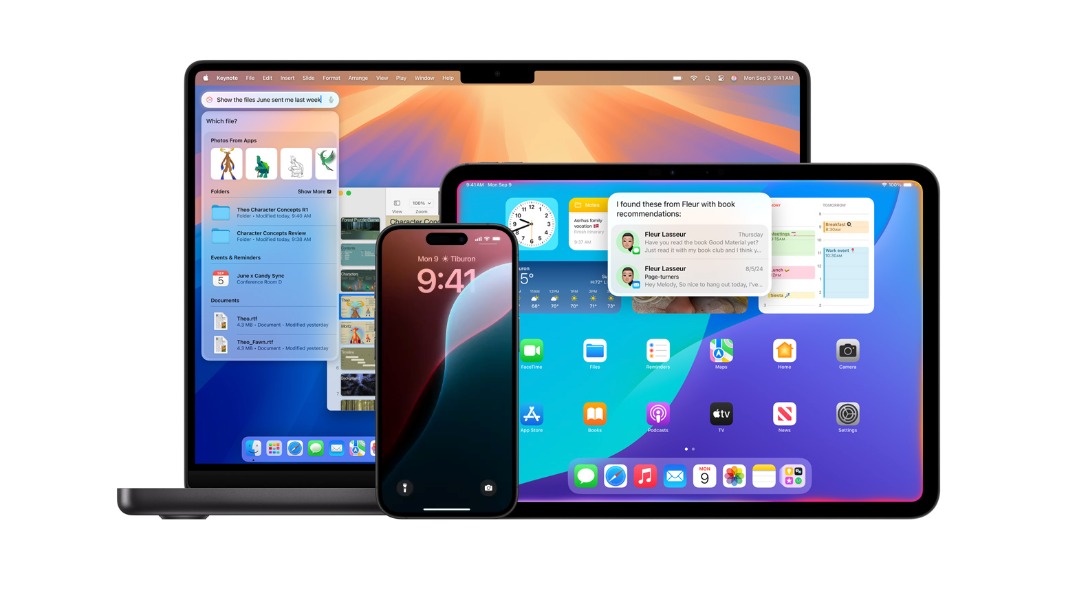
Apple today delivered Release Candidate (RC) builds of the next versions of its biggest platforms, and with a subtle change to Apple Intelligence. With this generation of releases, Apple Intelligence will be enabled automatically, and users that don’t want this functionality will have to opt out after the upgrade.
I’m curious to see whether this will trigger a controversy of any kind. You will recall, ahem, the overblown concerns about Recall in Windows 11 on Copilot+ PCs being the subject–or, victim–of rampant conspiracy theories for this reason. Is Apple’s user base that change-averse?
We’re about to find out.
Apple today released macOS Sequoia 15.3, iOS 18.3, iPadOS 18.3, tvOS 18.3, visionOS 2.3, and watchOS 11.3 in RC form to developers, setting the stage for the stable release of each in the next week or so. The first three of those–macOS, iOS, and iPadOS–will all bring additional AI-based Apple Intelligence capabilities to the respective platforms, though it appears that there aren’t any major changes when compared to the previous two Apple Intelligence-infused updates.
With that one exception. Now, Apple Intelligence is opt-out.
“Apple Intelligence will be enabled automatically during Mac onboarding for users new or upgrading to macOS 18.3,” Apple’s release notes for macOS 18.3 explain. “Users will have access to Apple Intelligence features after setting up their devices. To disable Apple Intelligence, users will need to navigate to the Apple Intelligence & Siri Settings pane and turn off the Apple Intelligence toggle. This will disable Apple Intelligence features on their device.” There is similar language in the releases note for the iOS 18.3 and iPadOS 18.3 RCs.
It’s not clear if Apple will issue public versions of the RC builds or just ship these releases in stable. My guess is that it will do the latter, and that all these updates will appear by next week at the latest.
Cue the controversy. Or not.