Meta Launches New Anti-Scam Tools on WhatsApp, Facebook, and Messenger
- Laurent Giret
- Mar 11, 2026
-
1
Meta is rolling out new security tools today on WhatsApp, Facebook, and Messenger to protect users from scammers. The company also detailed how it’s using AI to detect impersonation and deceptive links, and how it’s taking down scam ads and accounts linked with criminal scam centers.
“Across our apps, our systems find and remove malicious accounts. But we know that scammers try to avoid our detection and may not immediately use accounts maliciously. Our teams of experts built new tools to alert you before engaging with something suspicious,” the company explained today.
Last year, Meta said that it removed over 159 million scam ads on its platforms and terminated 10.9 million Facebook and Instagram accounts associated with criminal scam centers. The company is now using AI tools to detect scammers impersonating celebrities or brands, as well as deceptive links leading users to fake websites. Meta said that its advanced AI tools can analyze text, images, and other context to identify deceptive behaviors more effectively.
Here are the latest anti-scam tools coming to Meta’s social platforms:
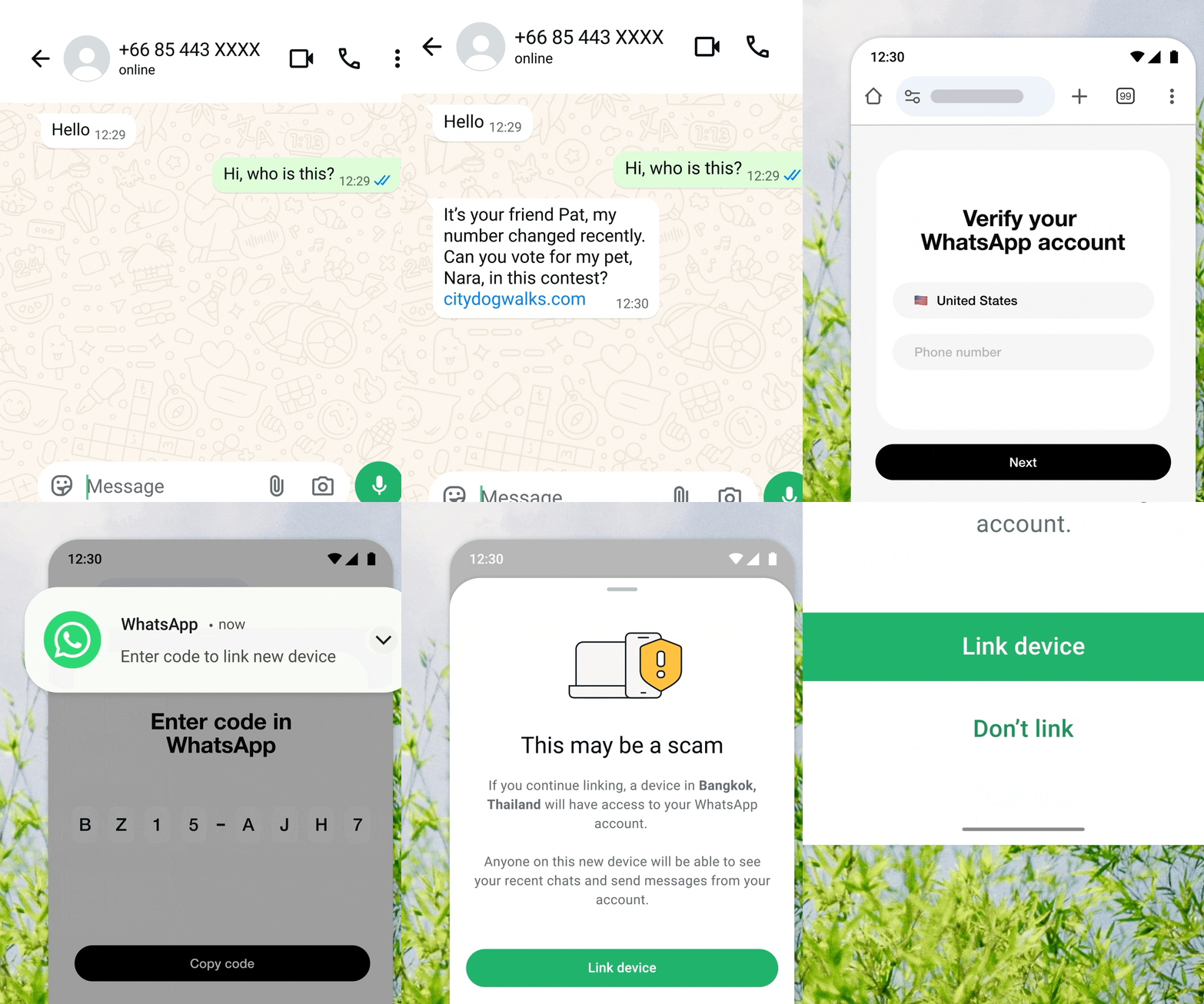
WhatsApp device linking warning: The messaging app will now warn users when scammers try to trick them into linking their WhatsApp account to their device. This can happen through a deceptive QR code that invites victims to link their WhatsApp account to the scammer’s device.
Alerts for suspicious Facebook friend requests: Facebook is introducing new alerts that indicate when friend requests come from accounts showing suspicious activity. Details can include when the Facebook account was created, the absence of mutual friends, and if the account appears to be in a different country than what’s indicated on the profile.
In addition to these two new tools, Meta is also expanding the advanced scam detection in its standalone Messenger app to more countries. This feature identifies common scam signs in messages, including suspicious job offers, and it invites users to send recent chat messages for AI review.