Android 16 Beta 4 is Here
- Paul Thurrott
- Apr 18, 2025
-
1
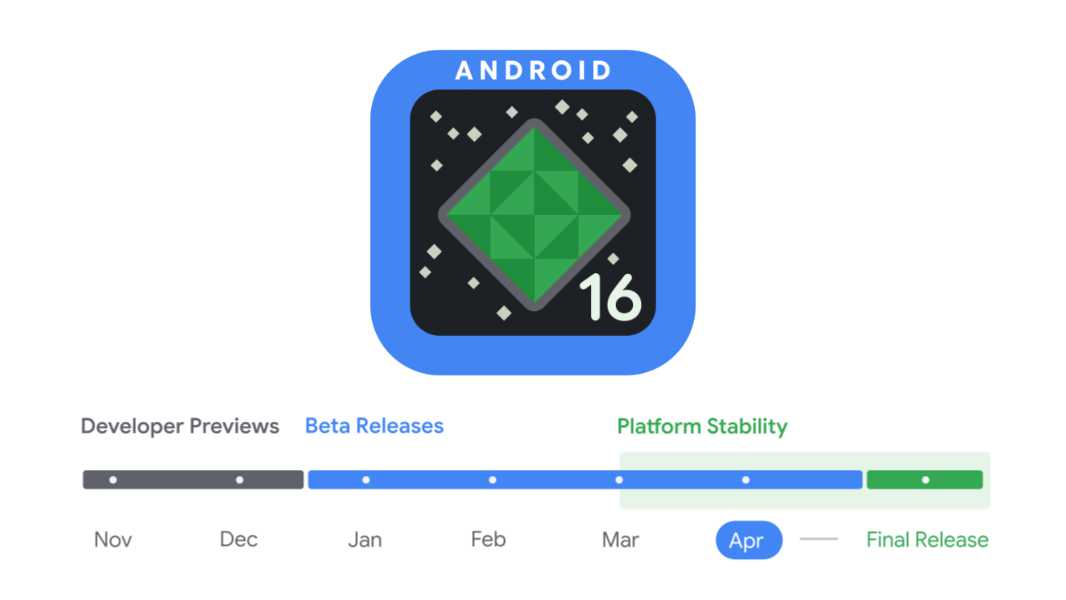
Google shipped Android 16 Beta 4 late Thursday, describing it as “the last scheduled update in our Android 16 beta program.” And this time, it’s not just available on Pixel devices.
“This is our second platform stability release,” Google vice president Matthew McCullough writes. “The developer APIs and all app-facing behaviors are final. Apps targeting Android 16 can be made available in Google Play. Beta 4 includes our latest fixes and optimizations, giving you everything you need to complete your testing.”
As you may know, Android 16 is on a fast track thanks to Google’s decision to shift the release timeframe for major Android versions forward one quarter, shortening the development schedule. Despite the time constraints, it’s followed a familiar pre-release cycle, with two developer previews and now four betas, and Google expects to ship the final build in May, no doubt timing that for a Google I/O announcement.
There are no major new features in Android 16 per se, but the Android Developers website lists all the changes, with some of the more notable including adaptive layout improvements for different form factors, Photo picker improvements, Advanced Professional Video (APV) codec support, various performance and efficiency improvements, predictive back support, local network protection, and improved haptics.
As with previous release, Android 16 Beta 4 is available on all supported Pixel devices, and that now includes the new Pixel 9a for the first time. But it’s also available on various third-party devices from Honor, iQOO, Lenovo, OnePlus, OPPO, Realme, vivo, and Xiaomi. And as always, developers can also access this beta using an Android 16 virtual machine.
Android 16 is a major SDK release, but this isn’t all that Google plans for Android in 2025. It will also ship a minor Android API release in Q4 with feature updates, optimizations, and bug fixes, but no intentional app-breaking behavior changes. And there will be incremental quarterly releases, as always, starting with a Q3 update.
Developers can get started with Android Studio Narwhal, now in Canary.