Google Accelerates Android Studio Release Schedule Again
- Paul Thurrott
- Aug 14, 2025
-
2
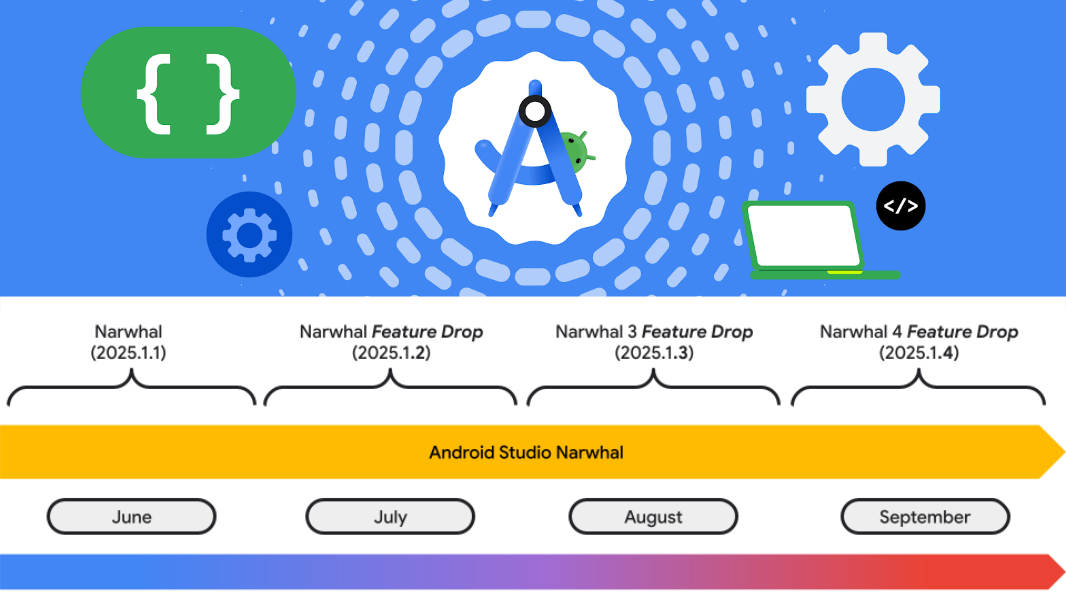
In May 2024, Google adjusted the release schedule for Android Studio to release new features more quickly. But that wasn’t fast enough. And so now it’s accelerating the release schedule for its Android app integrated development environment (IDE) again.
“We’re moving to monthly stable releases of Android Studio,” Google’s Xavier Ducrohet and Adarsh Fernando write in the announcement post. “This new cadence means you’ll be able to get your hands on the latest features and critical improvements, faster than ever before.”
Under the previous schedule, Google released two major Android Studio versions each year: A release in the first half of the year tied to the schedule for the underlying IntelliJ release and then a “feature drop” release in the second half of the year that aligned with the annual Android version release.
Google shifted its Android release schedule in late 2024 so that it could ship each annual release about a quarter earlier than before. And the first release under this new schedule, Android 16, arrived this past June after a truncated development schedule. So it seems like something had to change with the Android Studio schedule too. Though this change seems unrelated to the Android release schedule, sort of.
Now, Google will issue a new version of Android Studio every month. These monthly releases will include new features, which, yes, will still be called feature drops. But the underlying IntelliJ platform version, the Android Emulator, and the Android Gradle Plugin will continue to be updated every other month. And Google says it already started using this schedule: The June release of Android Studio 2025.1.1 (Narwhal) was followed by feature drops in July (2025.1.2) and August (2025.1.3), with a fourth feature drop expected now in September (2025.1.4).
“You told us waiting for the next major release to get a critical bug fix or a quality-of-life improvement can be frustrating,” the company explains. “With the move to monthly releases, we can deliver these updates to you without the long delays. This means you’ll have access to the features you want and the fixes you need, right when you need them.”
As for the understandable quality concerns, Google says it’ worked for years to improve its updating infrastructure, starting with Project Marble from 2020. It can also move code directly from Canary to Release Candidate, after which it will hit stable.
“Last year, we reached a point where we could confidently double our releases, and now, we’re ready to take the next step with monthly updates,” Google says. “This means you’ll see releases 2X more often than before.”