New Microsoft Gaming CEO Wants to “Reset” Xbox’s Brand Image
- Laurent Giret
- Mar 27, 2026
-
18
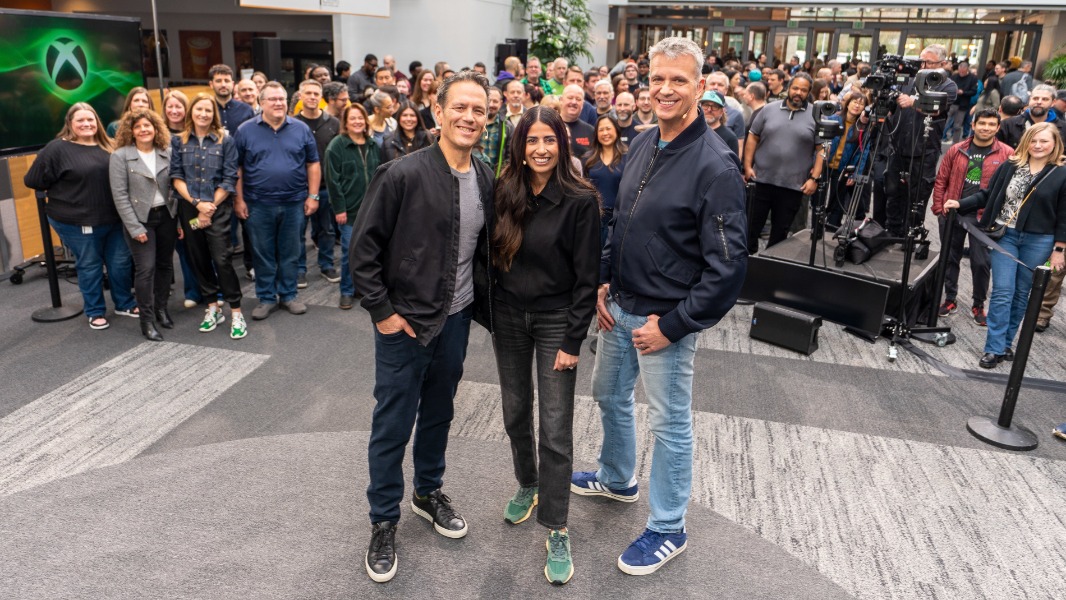
Asha Sharma, the new CEO of Microsoft Gaming, seems to be ready to shake things up after Xbox continued to lose ground to PlayStation and Nintendo during this new console generation. One month after her appointment, we’ve already seen the Xbox team deliver top-requested features to Xbox Insiders, and a new marketing strategy seems to be getting in place, too.
Earlier this month, Microsoft quietly erased the controversial “This is an Xbox” marketing campaign from its website. This campaign pretty much signaled that consumers didn’t need to buy Xbox consoles anymore, as Xbox games were now available on PCs and other devices like smartphones and smart TVs, thanks to cloud gaming. All new Xbox games are also shipping on PlayStation consoles these days, which also contributes to making Xbox hardware more irrelevant than ever.
The new Microsoft Gaming CEO previously announced “a renewed commitment to Xbox, starting with console which has shaped who we are.” In a statement shared with Windows Central, Microsoft confirmed that Sharma was personally responsible for the disappearance of the ill-fated “This is an Xbox” campaign.
“Asha retired ‘This is an Xbox’ because it didn’t feel like Xbox,” a Microsoft spokesperson explained. “She is personally leading a reset of how we show up as a brand.”
Sharma previously said that she wanted to see Xbox return to the “renegade” spirit that defined the team that developed the original Xbox console. The OG Xbox pioneered a lot of things with its built-in hard drive, Full HD support, and Xbox Live networking, and it paved the way for the blockbuster success of the Xbox 360.
Xbox definitely used to be a “cool” lifestyle brand during the OG Xbox and Xbox 360 eras. However, the disastrous presentation of the Xbox One in 2013 did a lot of damage, and the Xbox brand never really recovered from that. Microsoft’s attempt to win the “power” argument against Sony with the Xbox One X and Xbox Series X didn’t change that, and neither did consumer-friendly initiatives like the backwards compatibility program.
It’s currently hard to see how Microsoft will be able to win console gamers back with Project Helix, a “premium” console that’s expected to be even more expensive than the Xbox Series X and PlayStation 5, which now both start at $600 in the US. The fact that Project Helix will run Windows may also not be reassuring for gamers looking for a console that “just works.”
Microsoft’s hardware plans for Project Helix are likely too far ahead to allow Sharma to really steer the chip in another direction. However, marketing is really where Microsoft needs to improve its game right now. If the company is really sticking with console hardware, it needs to do a much better job at explaining why console gamers should invest in the Xbox ecosystem.