Sundar Pichai Testifies in U.S. v. Google Remedy Hearing
- Paul Thurrott
- Apr 30, 2025
-
2
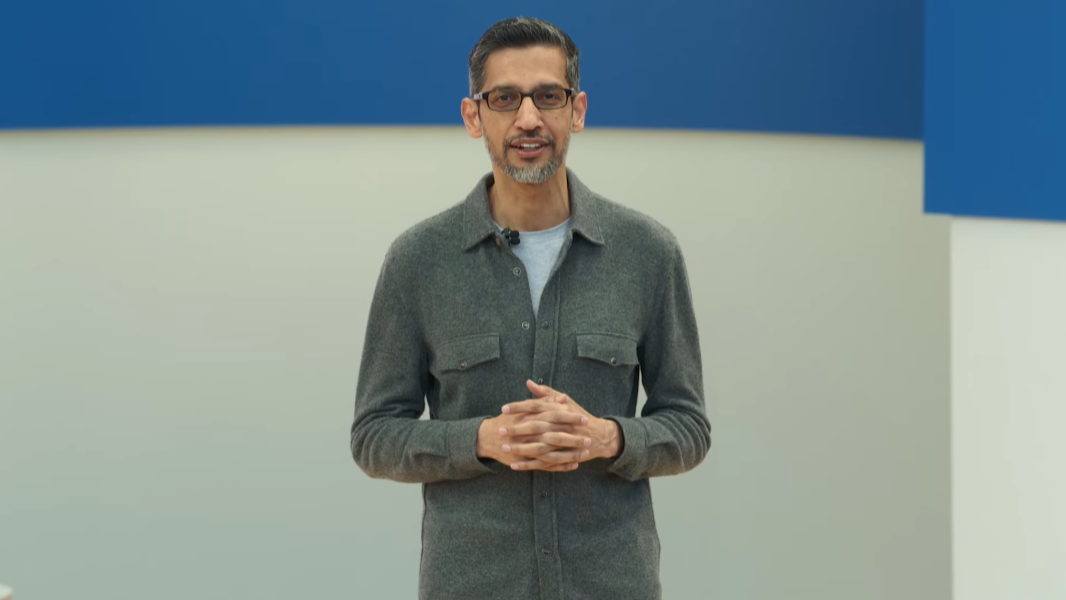
Alphabet/Google CEO Sundar Pichai told a federal judge that the proposed remedies in U.S. v. Google amount to a “de facto divestiture of search” that would deny it the fruits of 25 years of research and intellectual property creation.
That’s true. But that’s also the point: In August 2024, U.S. district court judge Amit Mehta found Google guilty of abusing its online search monopoly by foreclosing its rivals from the most effective channels of search distribution. And the proposed remedies from the U.S. Department of Justice and 8 U.S. states call for a breakup of the company in which those distribution channels are removed to prevent further abuses.
On the table is a divestiture of the Chrome web browser, preventing Google from entering into distribution agreements with companies like Apple, Mozilla, and Samsung, requiring Google to syndicate its search results and advertising feeds to competitors, and opening up the data collected by search to those competitors. And if all that fails to rein in the abusive monopolist, the government recommended to the judge that he forces Google to divest itself of the Android mobile platform as well.
These hearings began over a week ago and will last three weeks. And to date, companies like DuckDuckGo, OpenAI, and Perplexity AI have all testified against Google, with each offering to buy Chrome should that remedy be imposed. But Mr. Pichai’s appearance at the hearings is, of course, a blockbuster. He has led Google during its torrid recent years of growth, but one might also characterize him as the person most responsible for Google’s abuses in multiple markets. To date, the firm has lost major antitrust cases tied to the Google Play Store and Android apps, online search, and online advertising. Each is a core business for the company.
Pichai said that requiring Google to share search results and data with competitors was “so far reaching, so extraordinary,” and would make the business “unviable.” “It will have many unintended consequences,” he said.
Yes. But Google, which just earned over $90 billion in a single quarter, gets 74 percent of those revenues from search-based advertising, two businesses it dominates illegally. To obtain those revenues, it has illegally hobbled competitors and it has illegally entered into exclusive agreements with Apple and others to ensure other firms cannot gain ground on its monopoly search product. The unintended consequences Pichai mentions will result in lower revenues for the company, but also in more competition, which will lead to better products and services and more choice. As judge Mehta noted, “Google has no true competition.”
Pichai also predictably raised privacy concerns, a regular complaint from the company during the trial and in its wake. “People search in Google in their most vulnerable moments, and there seems to be no privacy protection” in the proposed remedies that would require it to share this data with competitors. The notion that Google somehow protects anyone’s privacy given that its core business model requires it to share that data with advertisers, is debatable at best. And ludicrous at worst.
Judge Mehta plans to deliver his remedy decision in U.S. v. Google by August. Google plans to appeal regardless, and it’s reasonable to expect that appeals process to last years and, if necessary, involve the U.S. Supreme Court.