Gelsinger is Out at Intel
- Paul Thurrott
- Dec 02, 2024
-
29
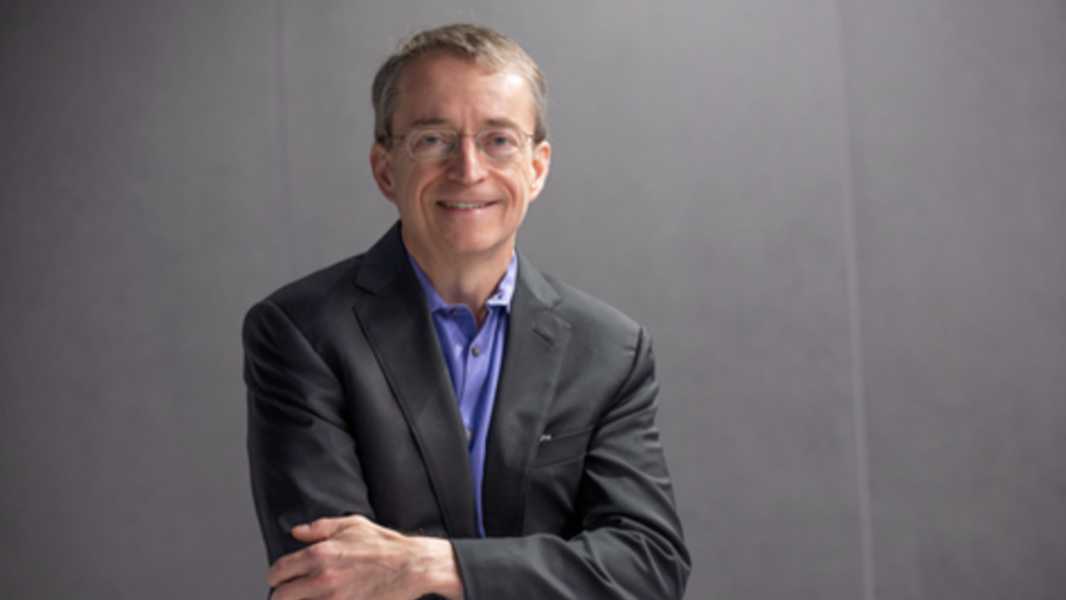
Ladies and gentlemen, Pat Gelsinger has left the building.
Intel unexpectedly announced this morning that CEO Pat Gelsinger retired from the company on Sunday and stepped down from its board of directors. This has all the makings of a palace coup, with Intel’s board suddenly taking a very public role in a last ditch attempt to save a once-powerful industry titan that is circling the drain.
“While we have made significant progress in regaining manufacturing competitiveness and building the capabilities to be a world-class foundry, we know that we have much more work to do at the company and are committed to restoring investor confidence,” Intel interim executive chairperson Frank Yeary said. “As a board, we know first and foremost that we must put our product group at the center of all we do. Our customers demand this from us, and we will deliver for them … We are ensuring the product group will have the resources needed to deliver for our customers. Ultimately, returning to process leadership is central to product leadership, and we will remain focused on that mission while driving greater efficiency and improved profitability.”
In that statement, you can see hints of the strategy disagreement that no doubt led to Gelsinger’s ouster. As recently as last week, Mr. Gelsinger noted that the future of Intel was two-fold–it would design x86 chips and manufacture chips, not just for itself but for its competitors as well. “We believe distinct, but better together, is the strategy,” he said of the two sides of Intel going forward.
Apparently, not everyone was on board (cough, hilarious) with that strategy. There are many possibilities here–perhaps Intel missed yet another manufacturing process milestone, maybe a major customer is giving up on them to go with TSMC, or whatever–but it could be a much simpler, and more obvious disconnect: Intel was always going to have problems convincing competitors to let it manufacture their chips. By keeping its two main businesses in-house, Gelsinger may have doomed Intel Foundry, its fabrication business.
On that note, the Intel announcement indicates that the foundry business–which has to be the future of this company–will move forward unchanged. The leadership of this business, which Gelsinger transitioned into a semi-autonomous entity, retains its leadership. And Intel says that while it will simplify its product portfolio, another effort started by Gelsinger, it will push forward on its foundry capabilities “while optimizing operating expenses and capital.” “We will be focused on driving returns on foundry investments,” Intel interim co-CEOs David Zinsner and Michelle Johnston Holthaus said in a prepared statement.
Intel’s board is searching for a new CEO–perhaps Stephen Elop is available–who can somehow right the mess the company has found itself in this past year.
“Leading Intel has been the honor of my lifetime,” Mr. Gelsinger said in a prepared statement of his own. “This group of people is among the best and the brightest in the business, and I’m honored to call each and every one a colleague. Today is, of course, bittersweet as this company has been my life for the bulk of my working career. I can look back with pride at all that we have accomplished together. It has been a challenging year for all of us as we have made tough but necessary decisions to position Intel for the current market dynamics. I am forever grateful for the many colleagues around the world who I have worked with as part of the Intel family.”
Pat Gelsinger is a good guy but, more importantly, his strategy for fixing Intel seemed to make sense, and it’s likely that he simply ran out of runway to make it happen. In this sense, his time at Intel is reminiscent of Stephen Elop at Nokia and Marissa Mayer at Yahoo. It was just too late.
That said, I’m curious to learn more. I suspect there’s more going on here than Intel has admitted to date.