The EU Will Soon Require Energy Labels for Smartphones and Tablets
- Laurent Giret
- Apr 24, 2025
-
2
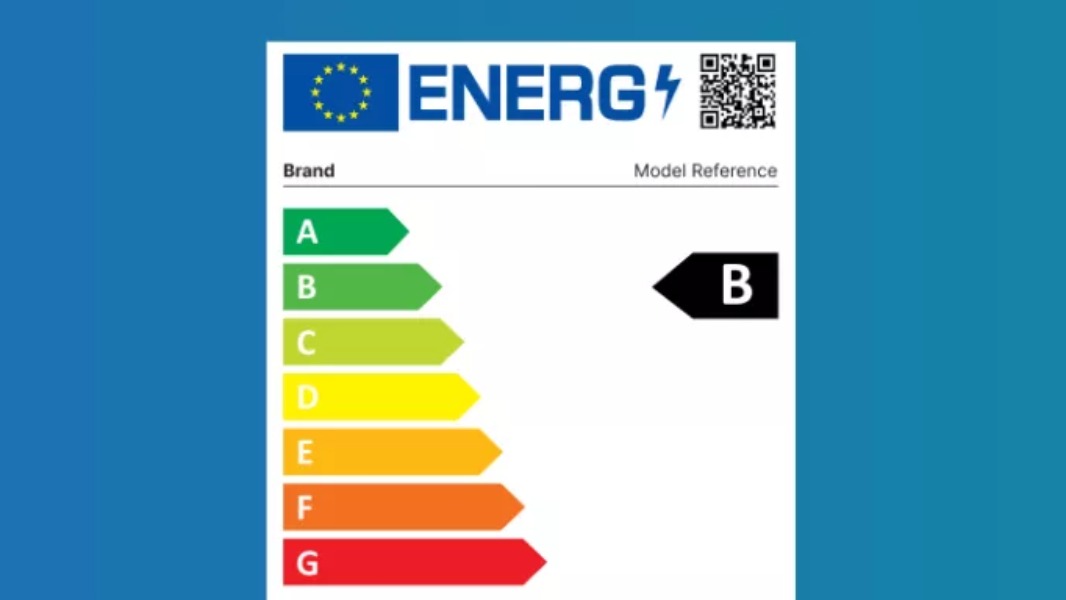
The European Union will soon require smartphones and tablets sold in the area to feature energy labels indicating their energy efficiency and durability (via The Verge). These new energy labels will become mandatory starting June 20, 2025, with the EU hoping to encourage consumers to opt for more durable and power-efficient devices.
The EU energy label was first introduced in 1994 for select household appliances, and a large majority of respondents in a recent Eurobarometer survey said that these labels influenced their choice when purchasing an appliance. The upcoming smartphone and tablet energy label will show information about their energy efficiency (from A to G), battery endurance per cycle, resistance to accidental drops, protection from dust and water, and more.
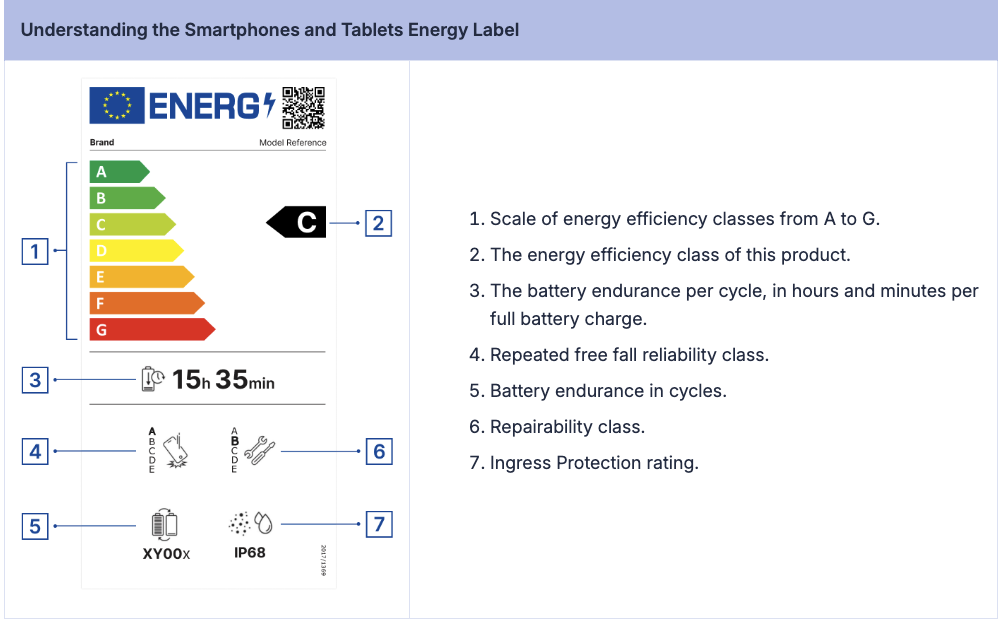
Starting June 20, smartphones and tablets sold in the EU will also need to meet ecodesign requirements. On the hardware front, that will include offering batteries that can withstand at least 800 charge and discharge cycles while retaining at least 80% of their initial capacity, plus making devices resistant to accidental drops or scratches and damage from dust and water. Hardware manufacturers will also need to offer repair parts for 7 years after the end of sales of their mobile devices in the EU.
On the software front, the EU will also require device manufacturers to make software updates available for at least 5 years from the date a device became unavailable for purchase. In recent years, smartphone manufacturers including Apple, Google, and Samsung have already made a lot of progress in this area.
“Mobile phones and tablets produced under these rules will save almost 14 terawatt hours in primary energy each year by 2030. This is one third of the primary energy consumption of these products today. The new rules will also help to optimise the use and recycling of critical raw materials,” the European Commission explained on its web page explaining the new energy labelling and ecodesign requirements.