GNOME 50 is Now Available
- Paul Thurrott
- Mar 18, 2026
-
9
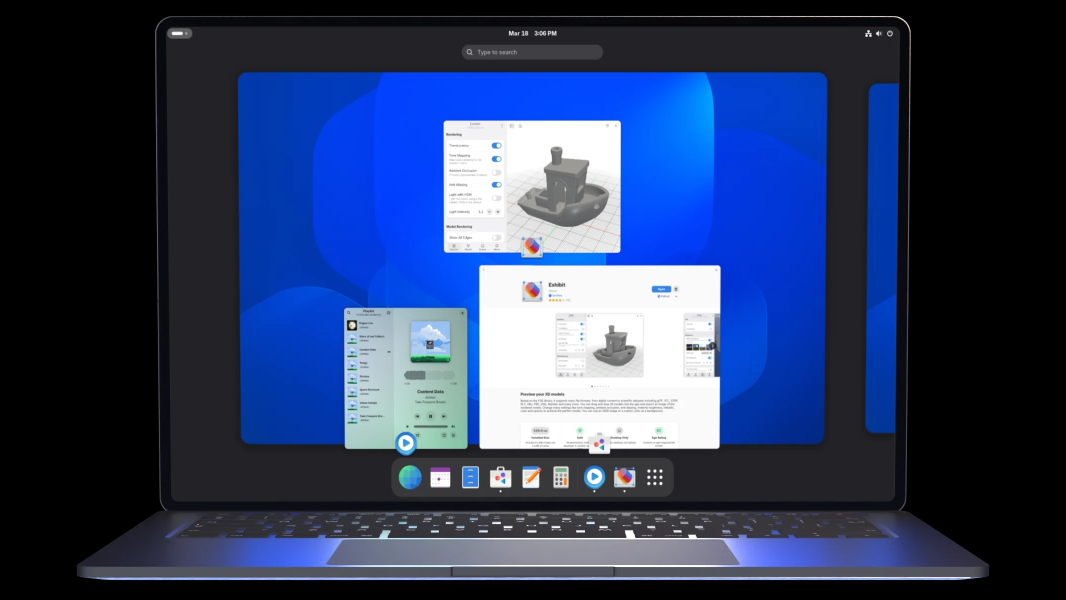
The GNOME Foundation today announced the release of GNOME 50, the latest version of its graphical system software for Linux.
“The GNOME project is delighted to unveil GNOME 50, a milestone that reflects six months of collective effort from our vibrant community,” the announcement post explains. “A heartfelt thank you goes to everyone who helped shape this release. This new GNOME version is named ‘Tokyo’, to recognize the work done by the local organizers of GNOME.Asia Summit 2025. Thank you to everyone who helped with this amazing event!”
As the GNOME Foundation describes it, GNOME is a graphical interface that includes the system interface, display systems, window management, input handling, and system settings and behavior, a suite of essential apps, and an application development platform and runtime. It is, put even more simply, the default and most popular user interface on Linux.
Key advances in GNOME 50 include new parental controls, several accessibility enhancements, document annotation capabilities in the Document Viewer, extensive improvements to the Files app, a significant set of productivity enhancements to the Calendar app, several improvements in the Settings app, significant improvements to the built-in remote desktop capabilities, stability and performance updates to the GNOME display technologies, new GNOME Circle app contributions like Gradia for refining and annotating screenshots, Sudoku, the Constrict video compression app, and the Sessions pomodoro timer, new and update wallpapers, and numerous new enhancements for developers.
The GNOME Foundation says that GNOME 50 will ship soon in numerous Linux distributions, but you can also download and install it manually or check it out in GNOME OS image form in a virtual machine with the GNOME Boxes application.
You can learn more on the GNOME website.