Reevaluating the Samsung Galaxy S9+
- Paul Thurrott
- Oct 25, 2018
-
44

Given the issues with the Pixel 3 XL, I’ve been shopping around for a suitable alternative. So why not turn to a recent favorite, the Samsung Galaxy S9+?
Why not, indeed: When I reviewed this phone earlier this year, I did so over three separate articles, which focused on design, hardware, and specs, the camera, and unique software and features, respectively. I don’t normally write that much about a single device, but in examining this handset again, I get it: The Galaxy S9+ was, at the time of its release, the single best smartphone on the market today. And in the wake of the iPhone XS launch, it’s still in the top 2 or 3.
So. Given my background with this handset, what’s the thinking behind this second go-round?
I did consider the Note 9. I spent a bunch of time researching the newer Note 9—by which I mean an afternoon watching Samsung’s launch event video and various reviews on YouTube—and determined that the Note 9’s bigger size and higher price weren’t advantages. And I would never use the few unique features, like the S Pen anyway.
It’s still modern. When it was released earlier this year, the Galaxy S9+ was the first major handset to utilize the Snapdragon 845. Today, handset makers are still putting this processor in their flagships, so the S9+ is still very much modern. And with 6 GB of RAM in the version I bought, the device should be future-proof.

I would keep the Pixel 2 XL. If I do choose the Galaxy S9+, I would also keep my current phone, the Google Pixel 2 XL, so that I can keep up on Android P (and stock Android) and have a superior camera for international trips.
I would have to switch carriers. I would also need to transfer my main phone number from Project Fi to Consumer Cellular (or some other carrier). I would keep my Project Fi account, but only activate it as needed, as on those trips. (Google lets you “sleep” the account when you’re not using it.)

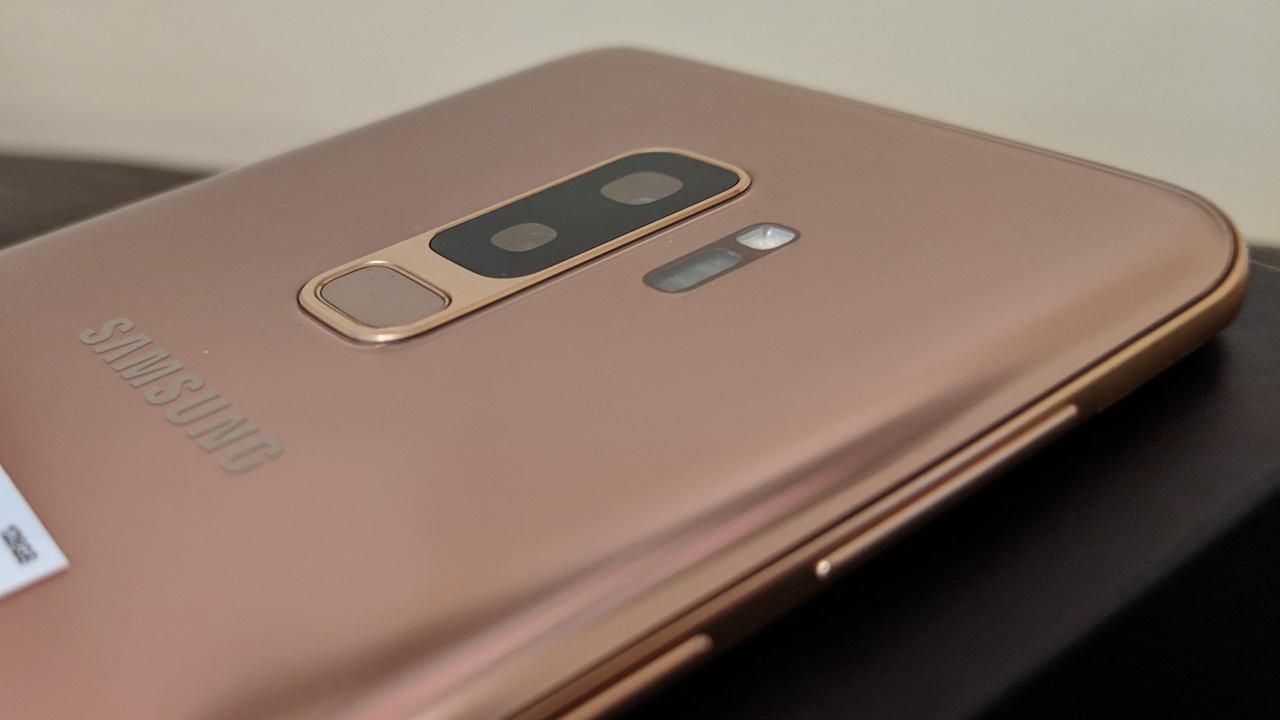
A new color. I ended up buying the Galaxy S9+ directly from Samsung because that’s the only place you can get the new “Sunrise Gold” color. I kind of regret it, as it looks more copper than gold in real life. But given my experience with the gold iPhone 7 Plus and iPhone XS, I thought it’d be nice. Nope. That’s OK, I am already covering it up with a case.

Configuration. I choose the 128 GB unlocked configuration, for a total price of about $943.39 after taxes and fees. The good news? That includes a free Gear 360 camera, should I choose to keep it. And that price is a savings of $135.68 over the Pixel 3 XL, which cost $1,079.07 after taxes and fees.
Hardware quality. As I noted in part one of my review, this phone is gorgeous and it stands well above the Pixel 3 XL in both build quality and design.
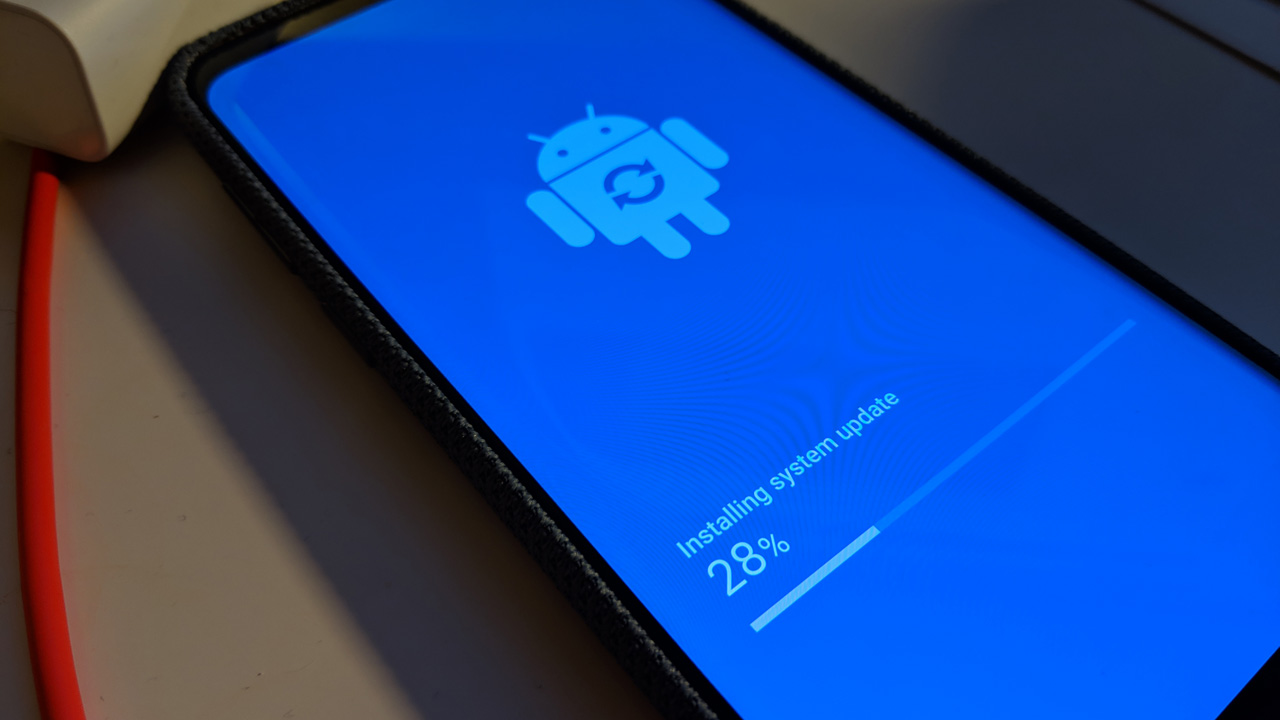
Software. I don’t normally like third-party Android skins, but there’s something special about the Samsung Experience on this device. The bad news? It’s still on Android 8.x, and Samsung is pretty slow about shipping updates. I know there’s a beta version of Android 9 Pie out there for this phone, so hopefully, that will be released soon.
Software bloat. Samsung’s determination to replace as much Google on its phones as possible results in a lot of unnecessary duplication. (There’s even a special Samsung store for its own apps, which is groan-inducing.) I feel like I can deal with this. But it’s certainly jarring.
Camera. I care a lot about the camera. And while the Galaxy S9+’s camera is excellent, I still prefer the Pixel 2 XL (or 3 XL). But if I do keep this, I could live with it, and I would certainly spend timing fidgeting with the camera app’s Pro mode to see if I could get better low-light results. This won’t be that painful, really.
Beyond this, I’m looking forward to seeing the OnePlus 6T, which I think will arrive next week. And then, of course, the iPhone XR, which will likely arrive a week or so after that. Put my initial reaction to this new Galaxy S9+ has been so much more positive than my reaction to the Pixel 3 XL, and that was before I had any issues with it. This thing is just a design masterpiece.
More soon.