Samsung Galaxy S25+ First Impressions
- Paul Thurrott
- May 04, 2025
-
8
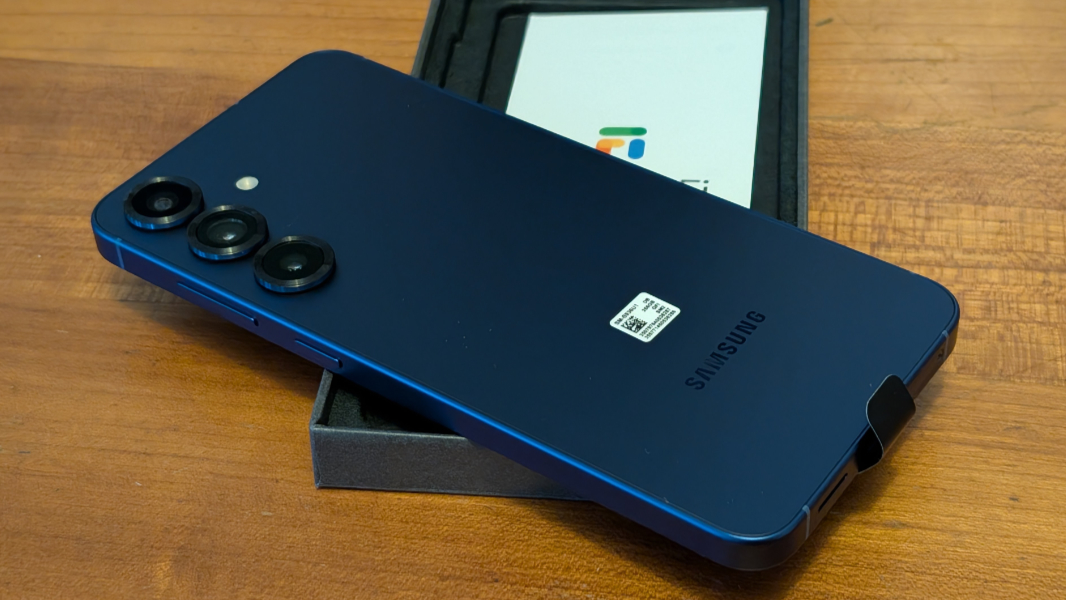
My Samsung Galaxy S25+ arrived earlier than expected–or wanted–but that wasn’t the biggest surprise I got with this device.
It’s dramatically lighter than the Google Pixel 9 Pro XL that I’ve been using for the past three weeks after having belated switched over to that from the iPhone 16 Pro Max as described in The Perfect Phone (Premium). And I do mean dramatically: Though the difference on paper seems relatively minor, in real-world use it’s delightfully noticeable.
I’ve experienced similar phenomena when unboxing other devices, in one case, a phone that seemed so much smaller than what I expected that I checked to make sure it was the right model. The airy lightness of the Galaxy S25+ triggered a similar moment of doubt. And so this morning, when I pulled it off the charger and felt the lightness again, I decided to look it up.
The iPhone 16 Pro Max weighs in at 227 grams, which is a bit under 3 percent heavier than the 221g Pixel 9 Pro XL. These phones both feel heavy and dense to me, and I already forget the weight advantage that Apple gained (lost?) when it switched from stainless steel to titanium a few years back. But the Galaxy S25+ weighs just 190g, or somewhere just north of 15 percent lighter than the Pixel. And that is quite noticeable.
The Galaxy S25+ has a similar thinness advantage, too. It’s 7.3 mm thin, compared to 8.5 mm for the Pixel and 8.3 mm for the iPhone. That’s a bit less noticeable, especially when I factor in the cases I use with each, but mostly because the lower weight–and density–is so obvious.
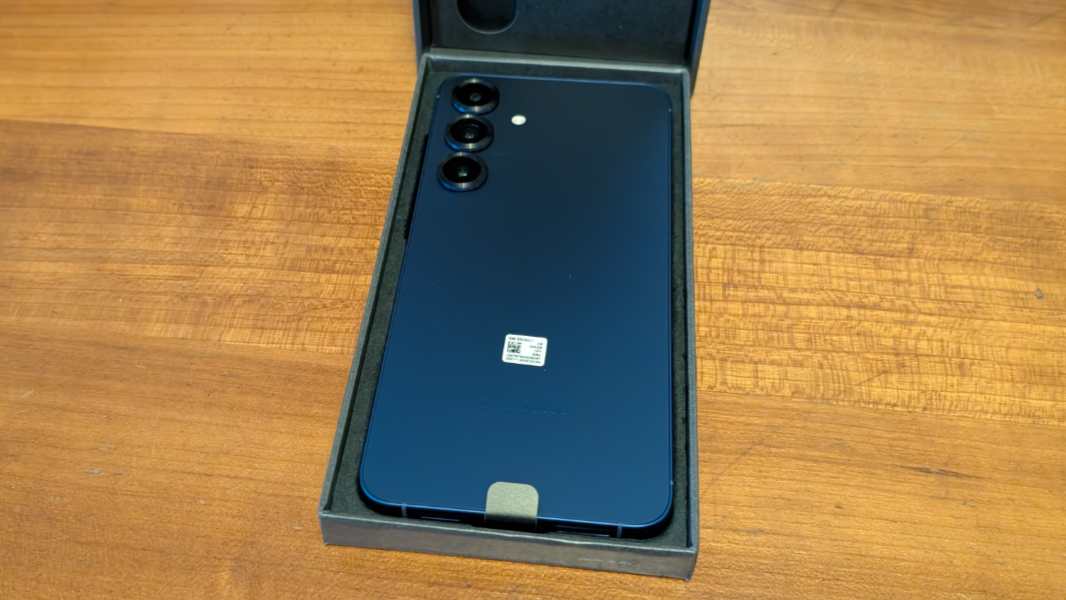
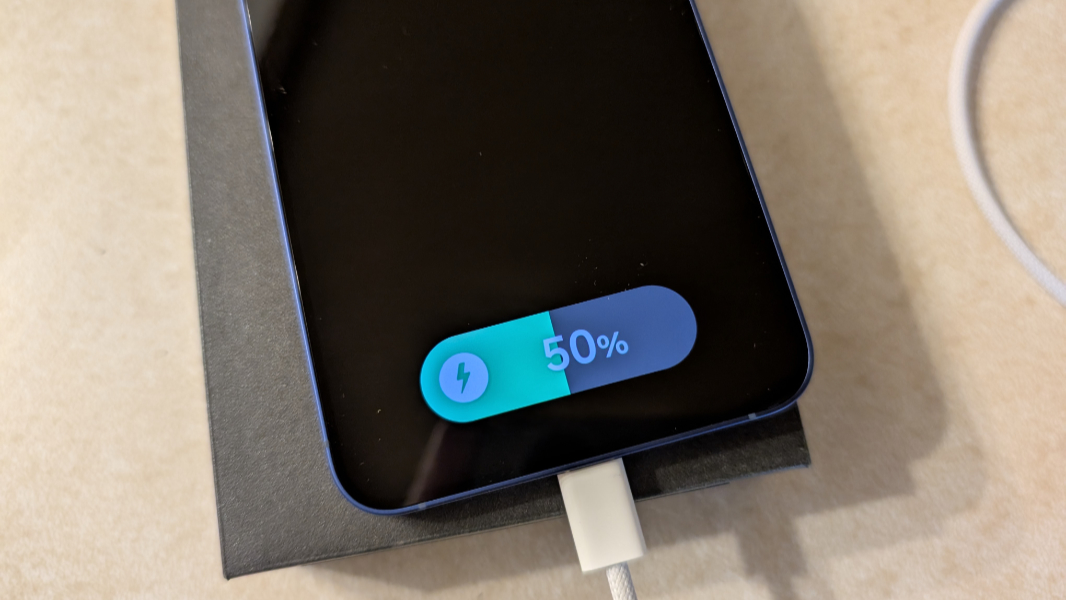
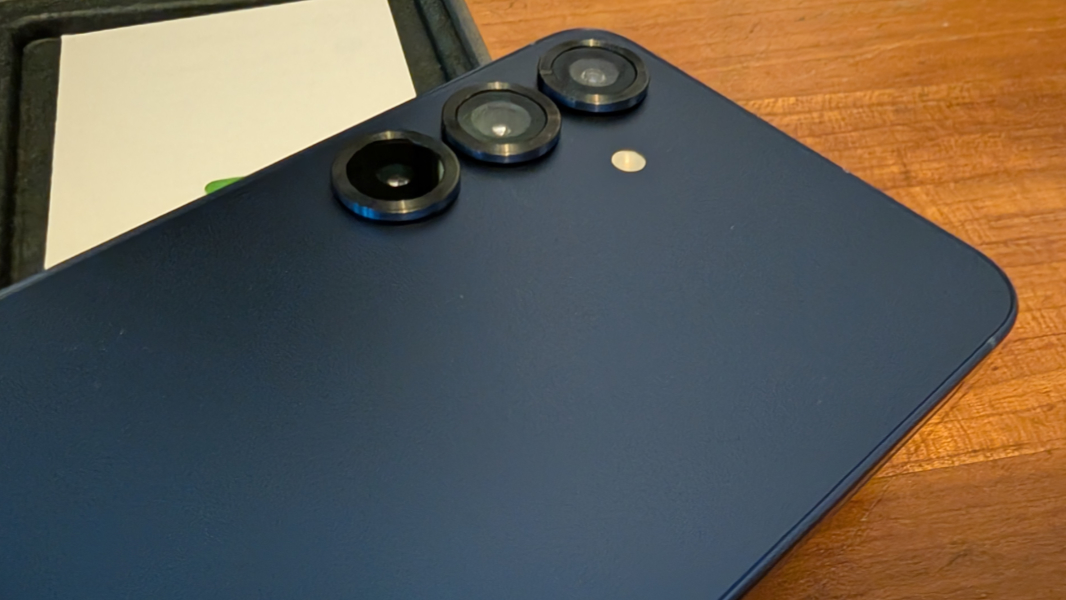
So that was my literal first impression, since the dark Navy blue color of the version I had ordered was bit difficult to appreciate in the dimness of our Pennsylvania living room–there always seems to be one bulb out in the light over the dining room table–and we were pressed for time anyway. I took several photos of the device and, after it wouldn’t power on, put it in the charger, and then we left for dinner.
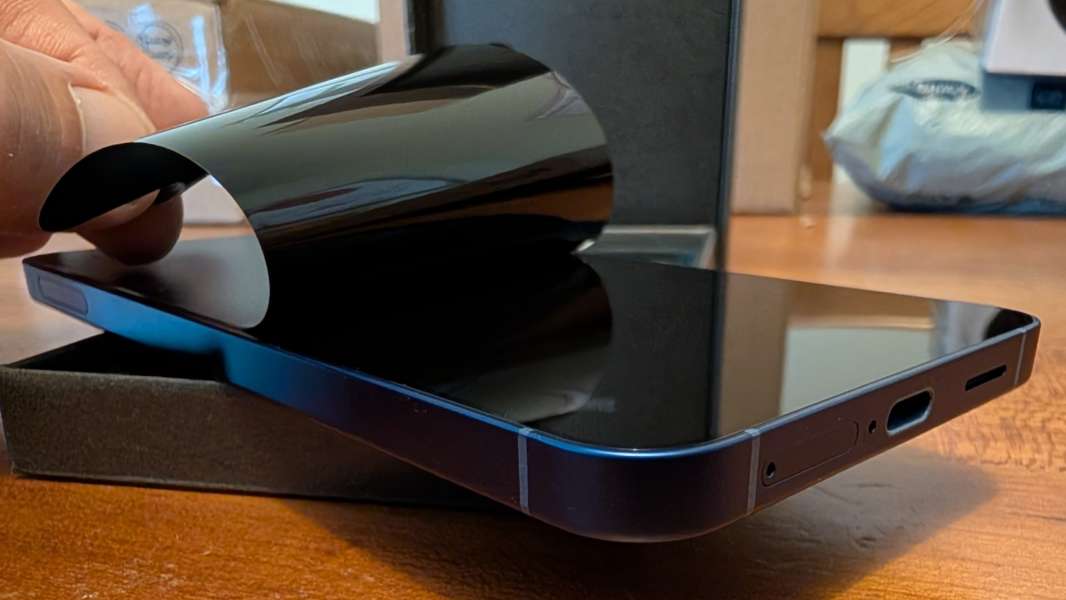
When we got back, we settled in to watch a movie, so I started setting up the S25+. Physically, it’s like most other smartphones, as one would expect. But this is a pleasant take on this common form factor, with gently curved corners, small display bezels that perfectly align with those curved corners, and an unobjectionable pinhole for the selfie camera. (The screen to body ratio is 92 percent, which is better than on my iPhone and Pixel.)
The sides are similarly familiar, with the same little filled-in cutouts for antennas and other radios, just like on the iPhone and Pixel, a USB-C port and speaker–and a physical SIM card, not found on iPhone these days–on the bottom.
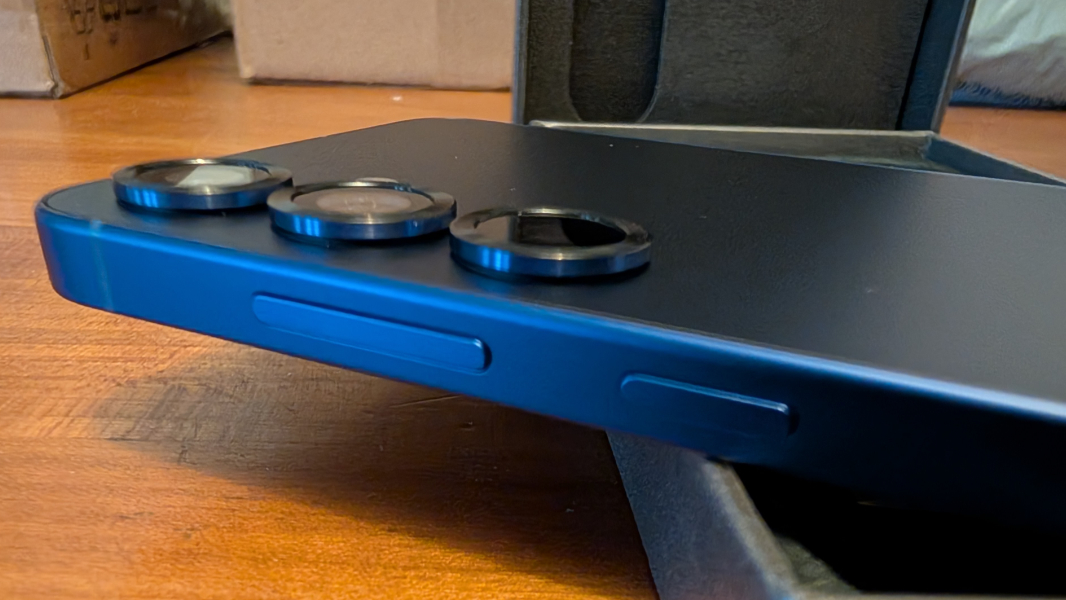
There are only three buttons, for Volume up, Volume down, and Power, all on the right side, and I like the minimalist nature of that compared to the sudden explosion in mostly superfluous new buttons on the iPhone. And that color is very pleasant out in the light, though I have already covered it with a case. I bought two, though I’m not sure which I’ll stick with. For now, a Samsung silicone case in Blue that’s reasonably close to the device’s color.
The screen is gorgeous. It’s a 6.7-inch dynamic LTPO AMOLED display that outshines the 6.8-inch Pixel display in every way but size, though that one metric is close enough. It has a resolution of 1440 x 3120, a 120 Hz adaptive refresh rate, support for HDR10+ and always-on capabilities, and it throws off 2600 nits of peak brightness, which is rather incredible. And it’s protected by Gorilla Glass Victus 2 (as is the back of the device). Samsung ships the phone configured with a lower, Full HD+ (1080 x 2340) resolution, no doubt to help with battery life, but it’s so crisp and clear that I didn’t bother experimenting with the native resolution.
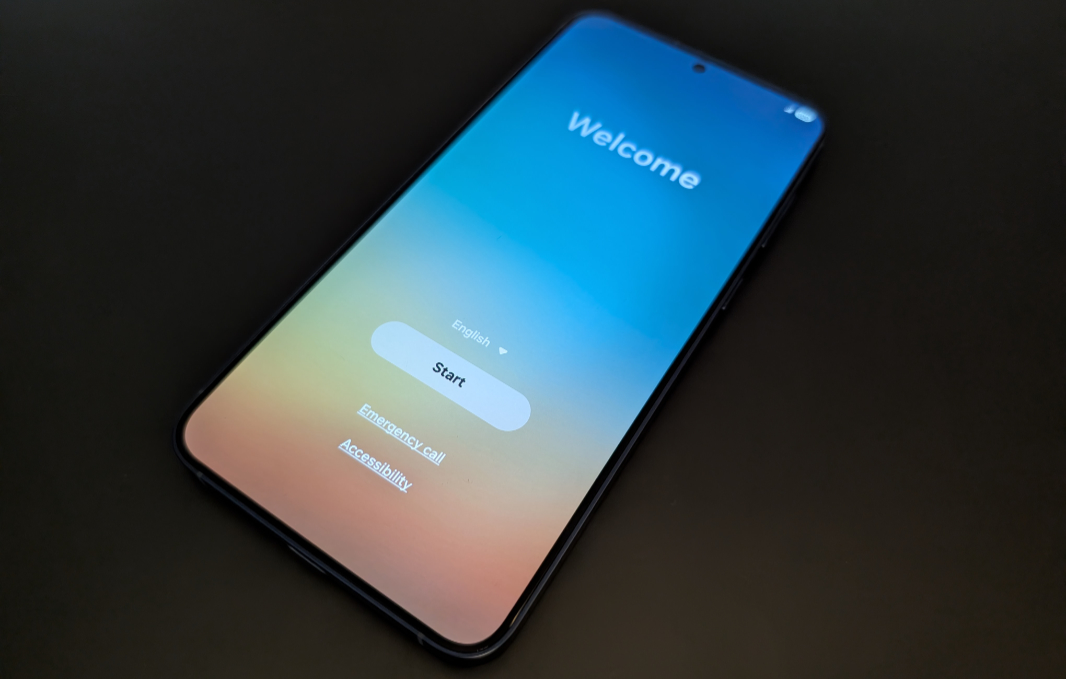
The specs are impressive, though I’ve not had enough time with the device yet to see where it lands compared to the iPhone and Pixel. It features the latest Qualcomm Snapdragon 8 Elite processor with 8 Oryon processor cores, Adreno 830 graphics, and a Hexagon NPU, plus 12 GB of RAM and 256 GB of UFS 4.0 storage. (There’s a 512 GB configuration as well.) It has the latest and greatest cellular modems, as you would expect, Wi-Fi 7, Bluetooth 5.4, and NFC for communications, and dual SIM capabilities, which can be a mix of physical and eSIMs. Security is solid, with both facial recognition and in-display fingerprint capabilities, both of which I’ve enabled and both of which appear, so far, to be excellent.
The camera system seems solid, though it’s a step back from the Pixel in a few areas. The main lens is particularly good, it’s a 24 mm wide lens with a 50 MP resolution and f/1.8 aperture, and dual-pixel phase-detection autofocus (PDAF) and optical image stabilization (OIS) capabilities. The 67 mm telephoto lens has a resolution of just 10 MP, with a f/2.4 aperture, PDAF, and just 3X optical zoom, compared to 5X on the iPhone and Pixel. And the 13 mm ultra-wide lens has a f/2.2 aperture and not much else to speak of.
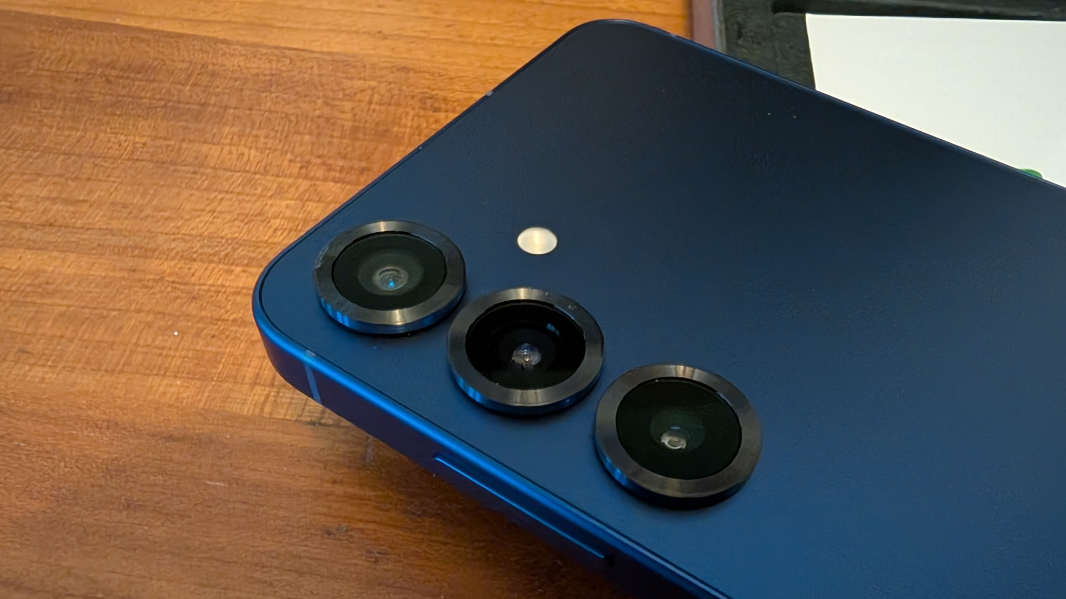
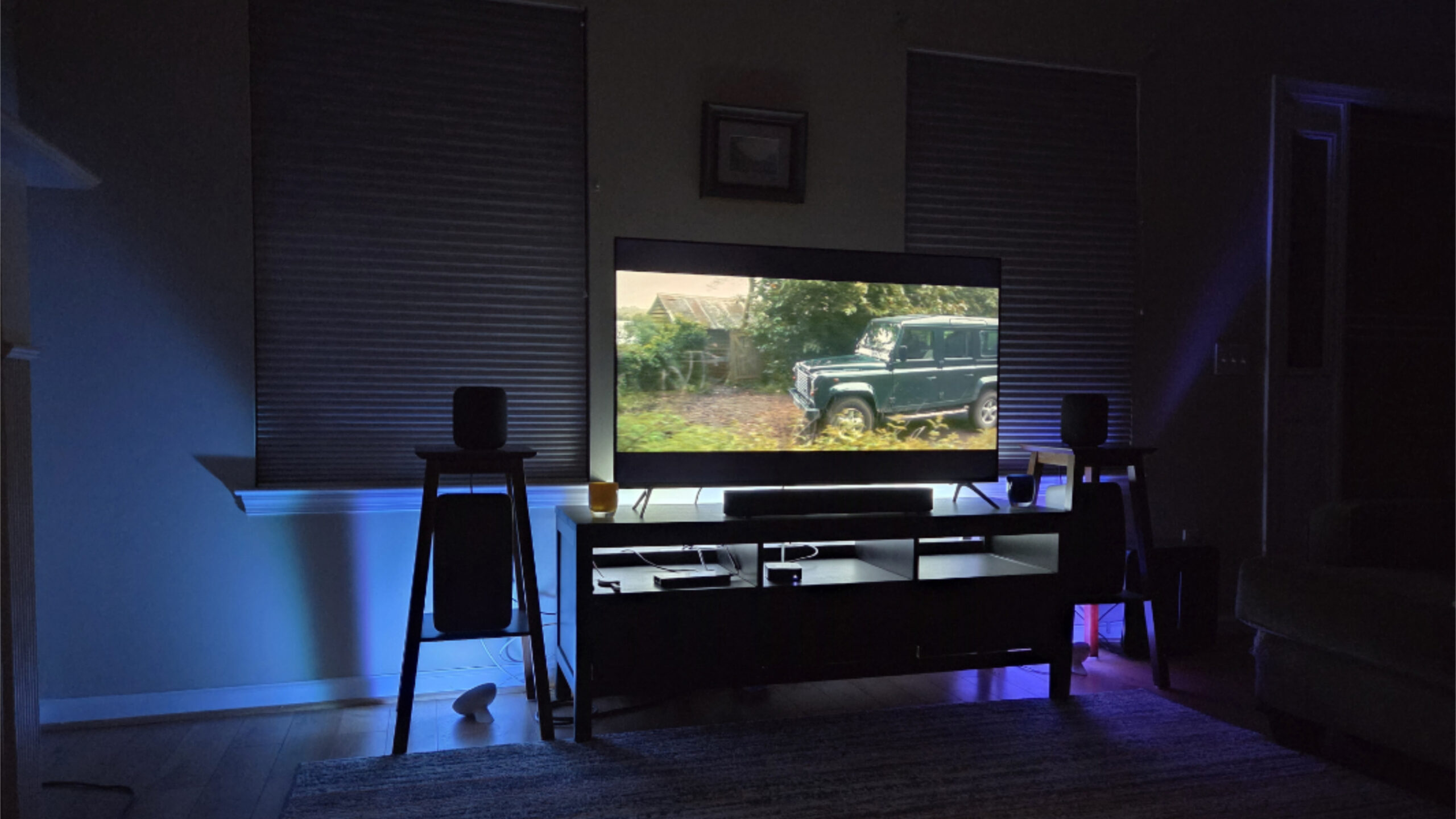
I like the look of the vertical camera lens setup on the rear. But I’ve not yet tested the cameras in any meaningful way. While we were watching the movie, and while I was setting up the device last night, I took a few test shots in the dark, which look fine. And the camera app seems obvious enough. But I will need a lot more experience with this to see where it lands. I guess there are no warning signs to speak of, at least. Though it’s clear that Samsung saves its best lenses for the Ultra model, which is even bigger and more expensive.
A couple of quick notes on the software.
I complain about Samsung’s bloat, and that comes in the form of redundant and difficult to remove apps and an incredible range of settings and customizations. But I always really like One UI, Samsung’s customized Android, and I I love One UI 7, the version that shipped with this device. In fact, it appears that some of the secret Android 16 user interface changes that Google will likely announce soon at its live-streamed Android event next week are based on One UI. And I wouldn’t be surprised if Google noted a Samsung partnership on that. One UI 7 is clean, and pretty. And while it has its quirks, like the separate Notifications shade and Quick settings interfaces, and the horizontally scrolling All apps view, this is Samsung, so everything is configurable.
That’s a double-edged sword, of course. But as I slowly made my way through Settings, I was as interested by the thoughtful touches as I was by the sheer volume of settings. The best example so far is a feature I’ve been asking for, for years, and what I think of as “per app Bluetooth.” If you play music through an external Bluetooth-connected speaker, all the sound from your phone–including annoying notification beeps–go through that speaker. But Samsung has a feature called Separate app sound that I believe is designed to prevent this annoyance. When enabled, you can configure individual media apps to play through specific Bluetooth devices, while the other apps on the phone–and those annoying notifications–still use the internal speakers. Yes. A million times yes.
I ordered this phone through Google Fi, so it was configured with my wireless carrier’s eSIM (and thankfully not a physical SIM). But I still had to install the Fi app to get it set up, which was unexpected. Also preconfigured is Microsoft’s Link to Phone capabilities, and I was curious what additional features I would get in Phone Link in Windows 11 when I connected the two. Quite a bit, as it turns out: Samsung flagships offer phone mirroring, individual app mirroring, Continue browsing, and other features that Microsoft doesn’t provide via my Pixel.
I will spend some time looking into the various Samsung apps and experiences that are unique to its phone–and when possible, removing those I don’t want. And I did go through and pretty much enable every single Galaxy AI feature imaginable. So we’ll see how that goes.
But the quick take-away here is that I’m surprised by how much I like this phone. Its lightness and crisp, colorful display are game changers of a sort, and the expected performance benefits of the phone’s Snapdragon processor–which I believe is overclocked for Samsung–could be as well. Camera quality and battery life matter a lot to me, so we’ll see. But so far, I’m impressed. And surprised, in a good way.