Google Announces New Nest Learning Thermostat
- Paul Thurrott
- Aug 06, 2024
-
0
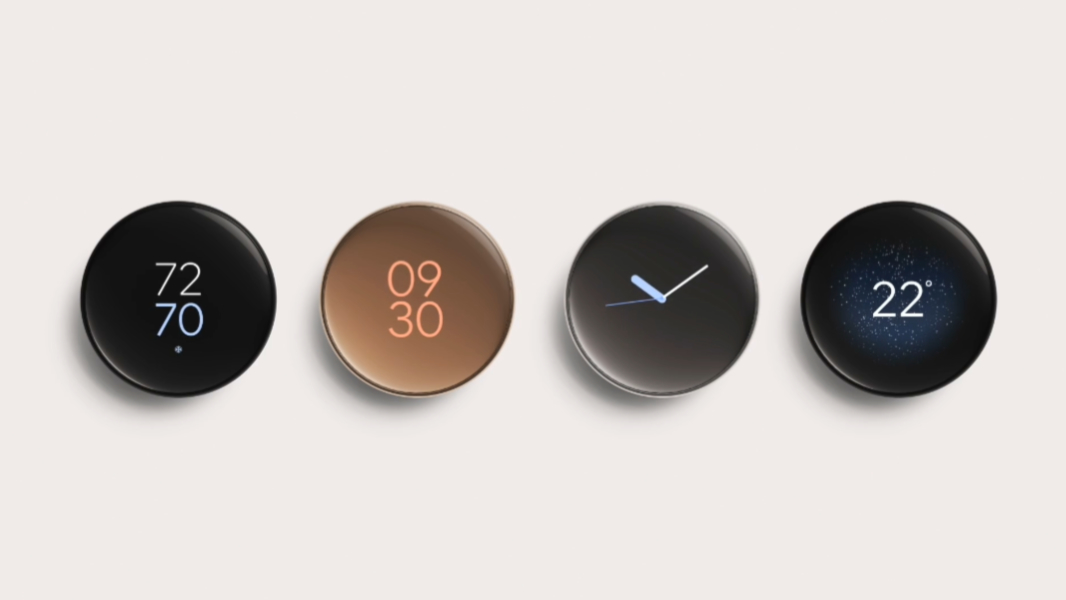
Ahead of next week’s Pixel event, Google announced new Nest Learning Thermostat and some new Gemini capabilities coming soon to Nest, Home, and Assistant.
“Today, we’re reinventing two of our most iconic and beloved devices with our newest Nest Learning Thermostat and the new Google TV Streamer,” Google senior director Anish Kattukaran writes. “And we’re thrilled to unveil how we’re using Gemini models to make our devices smarter and simpler to use than ever, starting with cameras and home automation. We’re also using Gemini models to make Google Assistant much more natural and helpful on your Nest speakers and displays.”
Laurent is covering the Google TV Streamer, which replaces the underpowered Google TV with Chromecast dongle with something that’s hopefully more competitive with Apple TV and other living room set-top boxes. Here are the other Google announcements today:
Nest Learning Thermostat. The new 4th generation Nest Learning Thermostat is “completely reimagined” and now includes a Nest Temperature Sensor in the box. It features a 60 percent larger display that eliminates the appearance of bezels with a customizable Dynamic Farsight feature, and it’s sleeker new form factor is available in three metal finishes: Polished Silver, Polished Obsidian and Polished Gold. It uses AI to automatically make micro-adjustments to the temperature, saving energy and money, and offers Smart Schedule recommendations for further refining the savings. A new Smart Ventilation feature will bring in fresh air when possible, and it will analyze the outside weather to determine how and when it impacts the temperature indoors. The Nest Learning Thermostat costs $279.99 in the U.S. It’s available for preorder today in the U.S. and Canada, and it will ship August 20. Additional Nest Temperature Sensors cost $39.99, or $99.99 for a three-pack.
Gemini in Nest and Home. While this isn’t available quite yet, Google will be adding Gemini AI capabilities to its Nest and Home ecosystems so that its smart devices can evolve from understanding narrow sets of data to a broader, more holistic understanding of what’s happening. (One example Google provides is going from understanding that a motion trigger is an animal to something much mor specific, like “the dog is digging in the garden.”) Google says it will use Gemini’s multimodal video, images, and text models to redefine the intelligence behind its Nest cameras and other products, and to improve the capabilities in the Google Home app so you can ask it specific questions, like “Did the kids leave their bikes in the driveway?” and give it more specific commands. This work will be rolled out to a limited number of Nest Aware subscribers in Public Preview later this year, Google says. And then it will expand over time.
Gemini in Google Assistant. Google is predictably adding Gemini capabilities to its Google Assistant so that you can do more with your voice and improve the experience of interacting with Nest smart speakers and displays. This will result in AI chatbot-like conversations rather than just individual commands, so you can ask follow-up questions and learn more. As with the Nest and Home improvements, these capabilities will roll out over time, starting with Nest Aware subscribers in Public Preview later this year.