Bill Gates Issues a Strident Warning About AI
- Paul Thurrott
- Aug 26, 2026
-
19
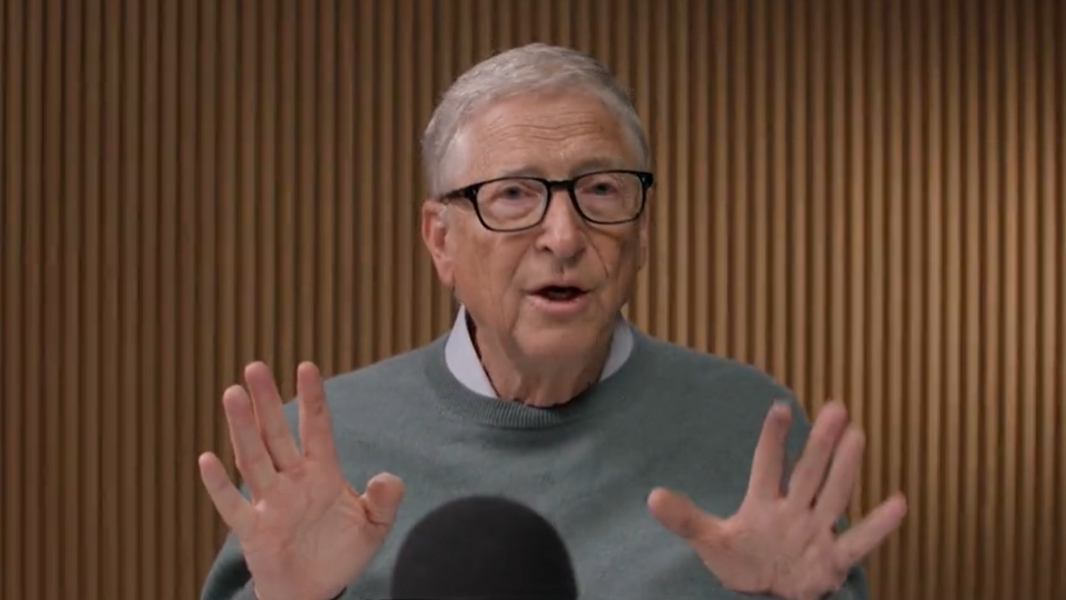
Microsoft cofounder Bill Gates is no stranger to controversy, but his reversal on AI this week was unexpected. After years of happily pronouncing AI to be one of the greatest advances in the history of mankind, he now says that Big Tech is so consumed by potential profits that it’s ignoring the risks of AI and the coming job losses and pushing forward irresponsibly.
Duh?
“Because AI can see, listen, speak, and reason and will eventually do physical work just as smoothly as any human, it will not just affect one sector,” Gates writes in the latest missive on his personal website. “AI will take on work in law, customer service, medicine, software, and manufacturing. It will hit these industries rapidly, over the course of a decade rather than a few generations. There will be some new jobs, but without the right policies there will be far fewer than exist today.”
Gates says that AI comes with three big risks:
- Job loss. As hinted in the quote above, AI is a “structural challenge” to the economy and will lead to massive job losses across almost all sectors. Because jobs are how people in capitalist societies pay for the basics in life, the ripple effects of vast unemployment will be pervasive, he says.
- Harm at scale. AI makes it easier for anyone to create bombs, bioweapons, and computer viruses, allowing even criminals with limited skills to target individuals, companies, and governments. AI enables easier fraud, disinformation, deepfakes, and surveillance. It’s already being used for cyberattacks, and the capabilities there are growing faster than the responses. Hospitals, financial institutions, water systems, power grids, systems for managing government benefits, and other infrastructure are particularly vulnerable, he writes, and bioterrorism is inevitable. “AI will empower bad actors who have relatively little power now,” he says. “The same tools will also concentrate power in places where it already exists.”
- Loss of human relationships and kids’ development. AI will only amplify the damage done by social media to kids’ development and human relationships, while the use of AI hinders critical thinking skills. This makes the impact of disinformation, deepfakes, and other harms all the worse.
Gates says that AI comes with both good and bad, but the current political climate and Big Tech’s voracious need for financial growth prevent a measured transition to the future.
“If the first thing AI does in most people’s lives is take away their job, those who are already skeptical about it will outright reject it,” he continues. “This will make it harder to ever deliver on the benefits and it is another reason why governments, industries including the medical industry, and AI companies should be working together now.”
Gates offers several possible solutions to the problems of AI, but his idea for taxing AI tokens and robots is particularly interesting: This would slow the rush away from human labor and provide some time to raise money for retraining and a stronger safety net. But however we raise money for more assistance, he writes, it needs to reach the people who need it most. That includes the workers who lose their jobs to AI and robots, people whose hours or wages decline because of AI and robots, and communities where the losses are concentrated.
Say what you will about Gates–I certainly have–but this is an interesting and disturbing take on AI from someone who knows more about it than most. But you can expect this new warning to be completely ignored by both Big Tech and the governments that regulate that industry.