Apple’s App Store Adds New Badge for Apps Optimized for iPhone Duo
- Laurent Giret
- Oct 22, 2026
-
0
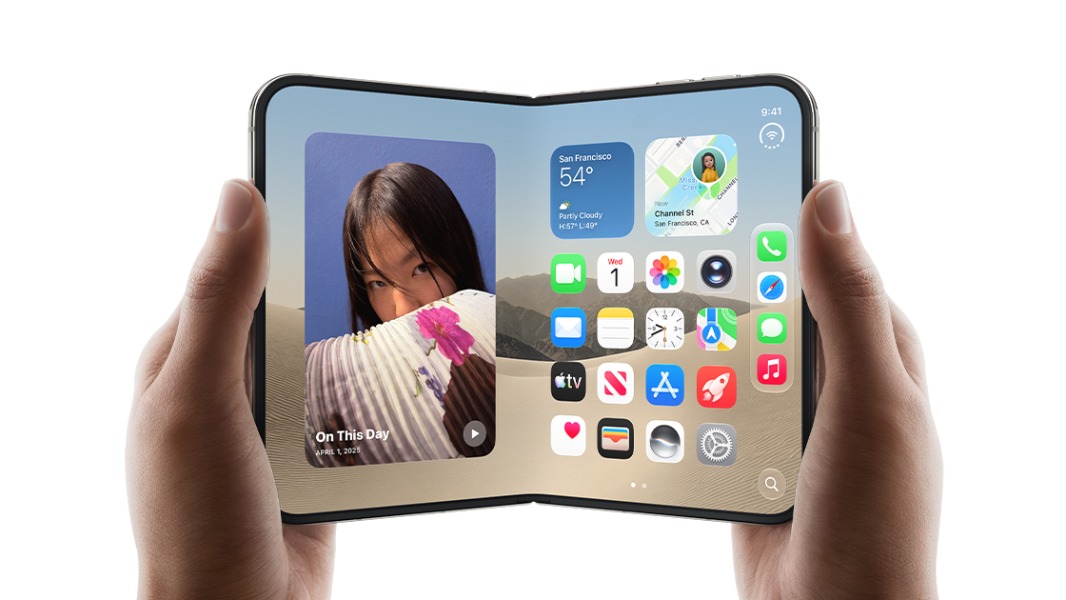
Apple is highlighting today how app developers are embracing its new foldable iPhone Duo ahead of its release in select markets tomorrow, October 23. The company said that its App Store will display a “Made for iPhone Duo” badge on product pages for apps that have been optimized for the iPhone Duo. Early adopters will also find curated collections of iPhone Duo apps and games.
“The response to iPhone Duo from our developer community has been incredible, and we’re inspired by how quickly they’ve embraced its larger display and new ways to interact,” said Susan Prescott, Apple’s vice president of Worldwide Developer Relations. “From watching popular shows and content on the expansive inner display to multitasking across windows or playing console-quality games, developers around the world are reimagining what their apps can do. We can’t wait for users to discover these experiences beginning this Friday, with many more app experiences to follow.”
At launch, early adopters will have to deal with three types of apps on the iPhone Duo: The best experience will be on apps like Netflix, Prime Video, Word, Outlook, Zoom, Slack, Salesforce, Fantastical, and other apps that have been optimized for the new foldable form factor. However, that will be just the minority of apps.
As noted by The Verge in their review of the iPhone Duo, iOS apps that have already been optimized for iOS 27 will have their layout adjust automatically when used in the inner screen in landscape orientation. While that won’t be as good as a native iPhone Duo layout, this should be better than regular iPhone apps that haven’t been updated for iOS 27. Those apps will basically work like iPhone apps that don’t have a native iPad layout, though users will be able to zoom on them and rotate them.
With the iPhone Duo starting at $1,999, it’ll probably take a while before most developers invest in optimizing their iPhone apps for the Duo’s dual-screen layout. They probably don’t need to hurry anyway, as the iPhone Duo is already sold out through the end of January due to “extraordinary” demand, according to Apple.