Google’s AI-Powered Doppl App Creates Videos of People Wearing Any Outfits
- Laurent Giret
- Jun 27, 2025
-
0
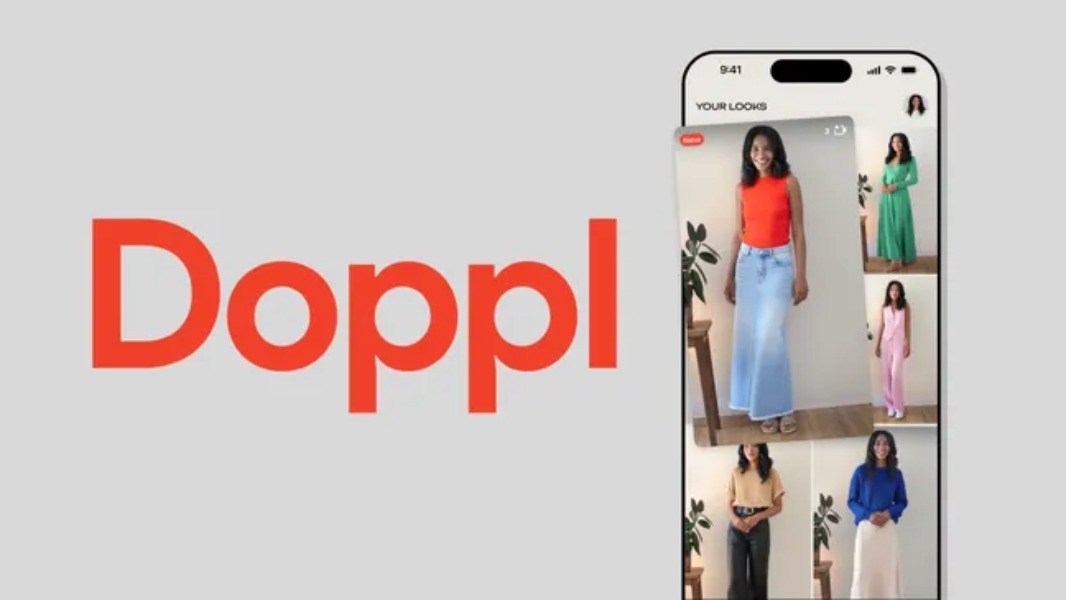
Google has just released Doppl, an experimental AI-powered app that lets users create videos of themselves wearing outfits they like. Doppl can generate these videos using pictures of people and outfits, and it pushes the virtual-try-on experience to the next level.
“With Doppl, you can try out any look, so if you see an outfit you like from a friend, at a local thrift shop, or featured on social media, you can upload a photo of it into Doppl and imagine how it might look on you. You can also save or share your best looks with friends or followers,” the company explained.
Last month, Google introduced an experimental virtual try-on feature that lets testers of its new AI mode upload a full-length photo of themselves and try billions of clothing items that integrate with the company’s Shopping Graph. Doppl goes even further by converting static images into videos.
? NEW LABS EXPERIMENT ?
Introducing Doppl, a new mobile app that lets you upload a photo or screenshot of an outfit and then creates a video of you wearing the clothes to help you find your ✨aesthetic ✨
Available on iOS and Android in the US to users 18+, download the… pic.twitter.com/sDy8y7nGHx
— Google Labs (@GoogleLabs) June 26, 2025
Doppl requires users to upload a full-body photo of themselves before they can try a look from a screenshot. As an alternative, they can also select an AI model that will show how outfits look in motion. Because Doppl is still at the experimental stage, the team said that “fit, appearance and clothing details may not always be accurate.”
Doppl is currently only available on iOS and Android in the US for users aged 18 years or older. Google encourages users to share their try-on images and videos with others, but it’s not clear how the company can prevent anyone from generating looks using pictures of other people. Google’s policies restrict users from impersonating an individual without explicit disclosure, but it’s almost guaranteed that some people will try to abuse the system. All content generated with Doppl will have invisible digital watermarks, however.
Lastly, Google said in the app’s privacy notice that it will use Doppl uploads and generated output to “provide, improve, and develop Google products and services and machine learning technologies.” However, the company will disconnect uploads and outputs from Google accounts before human reviewers can see or annotate them.