Australia Forces Apple to Open Up iOS App Store
- Paul Thurrott
- Oct 22, 2026
-
2
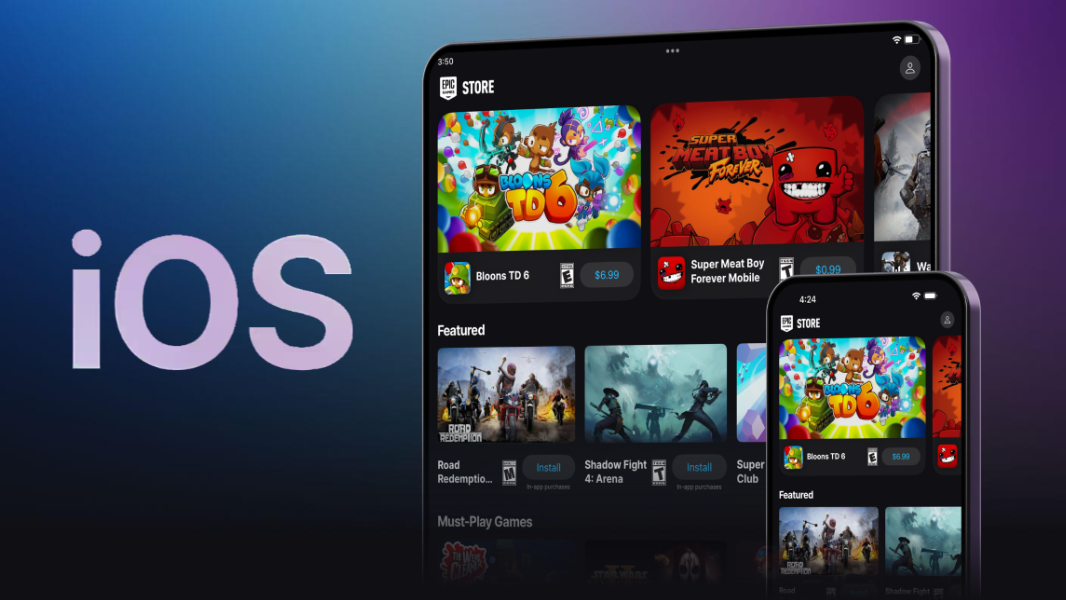
Thanks to an antitrust lawsuit by Epic Games, the Federal Court of Australia ordered Apple to open up the iOS App Store to third parties effective tomorrow. Among other things, this means that Fortnite, an Epic Games title, is coming back to the iPhone in Australia.
“The Australian Epic v. Apple antitrust remedies were just issued, and are a huge victory for consumers and developers,” Epic Games founder and CEO Tim Sweeney tweeted. “The Court has freed Fortnite in Australia and it will return alongside the Epic Games Store … soon.”
The Federal Court of Australia found that Apple misused its market power and violated the country’s 2010 Competition and Consumer Act by purposefully harming competition on the mobile platform. Apple forces developers to distribute apps through its App Store, which incurs high fees, and it prevents third-party app stores that might have better terms from appearing on its devices. The Court also noted that Apple’s developer license agreement is one-sided and non-negotiable while preventing developers from using alternative app distribution methods.
“[Apple] must do all things necessary … to permit the Fortnite app and/or other iOS apps developed by [Epic Games] (not including an alternative app store) to be admitted or readmitted to the App Store subject to the applicants complying with the Apple Developer Program License Agreement (DPLA) and App Store Review Guidelines, and made available for discovery, downloading, use and updating by iOS device users, in the same manner as other apps available on the App Store.”
In addition, the Court ordered Apple to ensure that its users can “discover, obtain and update iOS apps, including alternative app stores, via distribution channels other than the App Store.” The company cannot “prohibit, prevent or take any action” that’s likely to prevent users from doing that, an Apple cannot “impose any fees or conditions for access to, or use of, Alternative Distribution Channels by iOS app developers or iOS users, impose any fees or conditions for access to, or use of, any tool or API (including software development kits) necessary for app developers to develop and distribute iOS apps via Alternative Distribution Channels, or require [Epic Games] or any other app developer who wishes to make, or makes, their apps available for distribution via an Alternative Distribution Channel to refrain from offering lower prices,” among other logical restrictions.
Under the terms of the ruling, Apple also can’t require developers to use its in-app payment (IAP) system, nor can it charge junk fees on purchases made outside the App Store.
“This is great news for developers worldwide and iOS users in Australia who will benefit from an open mobile app ecosystem,” Epic Games tweeted.
Apple is not happy with this ruling for obvious reasons.
“We will request a stay and appeal the outcome to seek a resolution that respects our intellectual property and protects the safe, secure experience that consumers and developers expect from the App Store,” an Apple statement notes facetiously, as it ignores the many explicit instructions in the ruling about securing apps distributed outside the App Store.