Parallels Desktop for ChromeOS is Reportedly on the Chopping Block
- Laurent Giret
- Oct 10, 2024
-
2
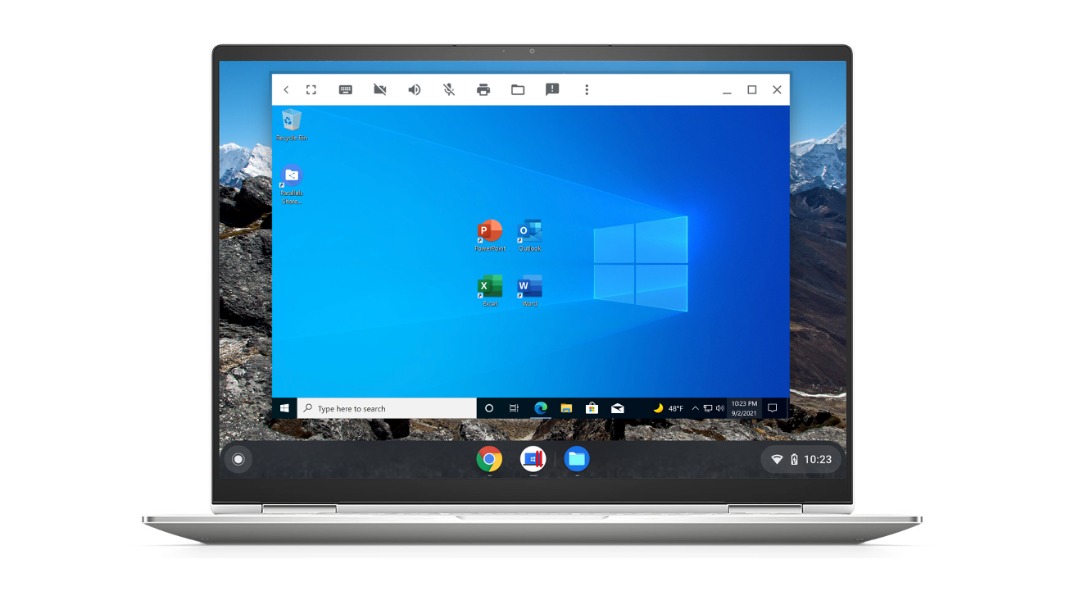
Parallels Desktop for ChromeOS could be discontinued before the end of the year according to a report from Chrome Unboxed citing a source familiar with the project. The Windows virtualization platform for ChromeOS hasn’t received any big new features since 2022, which is when the service added support for more affordable enterprise and education Chromebooks.
The Chrome Unboxed report says that customers should soon be informed about the app’s upcoming retirement, with a public announcement likely coming before the end of the year. Parallels Desktop for Chrome OS was only available for enterprise customers, and it looks like it never got the same amount of momentum as Parallel’s main product, Parallels Desktop for Mac.
Parallels Desktop for ChromeOS made sense when the platform lacked the legacy applications that can be critical for some organizations. In addition to letting Chromebook users to run Windows in a virtual machine, Parallels Desktop for Chrome OS supports opening files on ChromeOS using Windows applications, with the ability to drag and drop files and text between ChromeOS and Windows.
However, Google’s acquisition of app virtualization service Cameyo earlier this year may have sealed the fate of Parallels Desktop for ChromeOS. By integrating Cameyo into ChromeOS for Enterprise, customers may soon be able to access virtualized versions of Windows apps on Chrome OS without the need for a full-fledged Windows virtual machine.
While Parallels Desktop for ChromeOS may soon be deprecated, the freshly-released Parallels Desktop for Mac 20 is getting better this week. The latest update released yesterday makes Writing Tools, one of the first Apple Intelligence features coming with macOS 15.1 later this month compatible with any Windows app. Last but not least, Parallels Desktop for Mac 20 is adding support for the upcoming Windows Server 2025, which will be the first time Windows Server is supported on Apple Silicon Macs.