Build 2025: Microsoft Announces New Capabilities for Native Windows Apps
- Paul Thurrott
- May 19, 2025
-
0
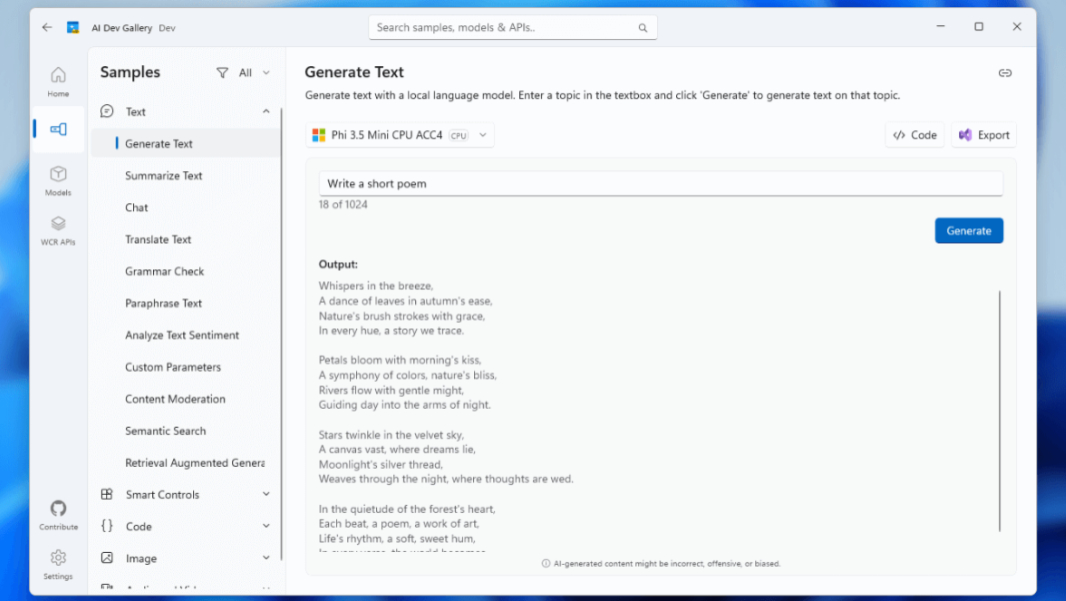
Microsoft announced updates for Windows App SDK and React Native updates for developers who create native Windows apps.
Here’s what’s new.
The Windows App SDK is a modern, desktop-based replacement for the mobile-focused Universal Windows Platform (UWP) that spans the .NET/C# and C++ worlds. It can be used for creating new WinUI 3-based apps that look natural in Windows 11, or to modernize existing apps. The current stable version of this set of APIs, Windows App SDK 1.7, which added a modern TitleBar control that makes customizing the top of an app window simpler than before.
But Microsoft also provides preview and experimental releases of the SDK, so developers can try out new features before they arrive in stable. Back in February, I used an experimental version of Windows App SDK 1.7 to experience the Windows Copilot Runtime for the first time, for example.
At Build 2025, Microsoft announced two major upgrades to the Windows App SDK.
I wrote about the first of these, a set of new Windows AI capabilities via the Windows AI Foundry, LoRa (low-rank adoption), and Semantic Search and Knowledge Retrieval APIs, in Build 2025: Windows 11 Gets New Developer Capabilities. And these will be delivered in Windows App SDK 1.7.2, though at least some of these capabilities are available now in Windows App SDK 1.8 Experimental 2
The second is a major change to how developers can access individual Windows App SDK features in their apps. Starting with the June experimental release of the Windows App SDK–which I assume will be called version 1.8 Experimental 3–it will be packaged as a NuGet metapackage instead of a standard NuGet package, as is the case now. This will allow developers to enable specific Windows App SDK features and components in their apps, instead of the entire SDK. In other words, it provides a way to streamline the package dependencies an app requires.
On the React Native front, Microsoft announced that React Native for Windows now supports the React Native New Architecture by default in version 0.80, which is now generally available. The New Architecture debuted in React Native 0.76 last October, and it provides major performance and functional enhancements while maintaining backward compatibility with libraries that target the previous architecture.
“The New Architecture is a complete rewrite of the major systems that underpin React Native, including how components are rendered, how JavaScript abstractions communicates with native abstractions, and how work is scheduled across different threads,” the React Native website explains. Among other things, it adds synchronous access to/from the native runtime, type safety between JavaScript and native code, and a new native renderer. The old and new architectures have coexisted to date, giving developers time to migrate as needed.
In any event, React Native for Windows 0.80 now supports the most modern React Native features, and it uses the latest Windows App SDK version and WinUI 3 under the covers.