Google I/O: Google Advances the Android Developer Platform
- Paul Thurrott
- May 19, 2026
-
1
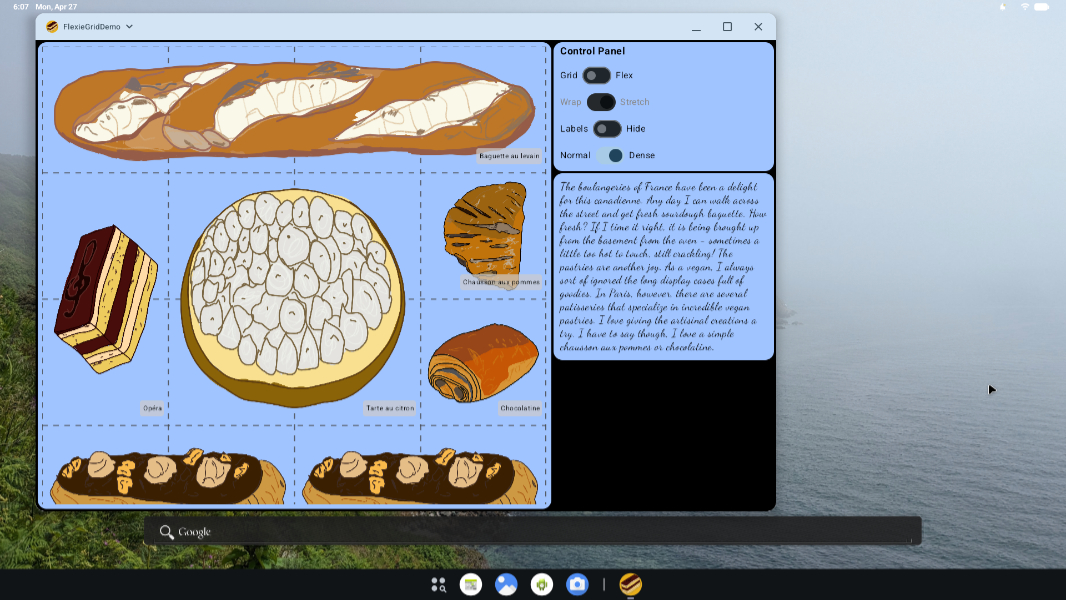
On the opening day of Google I/O today, Google announced several advances to the Android developer platform. Key among them is the ability to use agentic AI to build Android apps across Android Studio, Google AI Studio, and the Android CLI and a new app migration capability for those coming from iOS.
Google also announced the release of Android 17 QPR1 Beta 3, which includes a minor SDK release with several new features that could wait for QPR2, along with the pending release of Android 17 and its mandatory large screen adaptability.
“Today at Google I/O, we announced the many ways we’re powering agentic workflows to increase your productivity and ensure your apps shine across the expanding Android ecosystem,” Android Developer vice president Matthew McCullough says. “In addition to app memory limits, Android 17 includes new performance and system architecture improvements, less intensive young-generation collections to ensure system-wide stability and smoother UIs, [and] changes such as mandatory large-screen resizability, certificate transparency by default, and restricted local network access.”
Here are some of the key developer announcements from Google I/O 2026.
You can build native Android apps in Google AI Studio. Developers and creators can now use prompts to build native Android apps in Google AI Studio using Kotlin, Jetpack Compose, the latest APIs, and Google’s recommended developer patterns. You can prototype an app, test it in an embedded emulator, and deploy it to physical devices, share it with others, and then move it to Android Studio for advanced debugging, testing, and UI polish. You can learn more here.
Android 17 supports professional-grade media experiences and more. Android 17 will provide a production-ready media lifecycle toolkit with CameraXViewfinder Composable for media capture, the new Media3 AI Effects library for post production, and CodecDB encoding capabilities. And among other advances, Android 17 sports a new contact picker and eyedropper API, background audio hardening, SMS OTP hiding, and, of course, the mandatory large-screen resizability requirement. Android 17 QPR1 Beta 3 is now available, too, and it includes a minor SDK update with new features.
Android is Compose first, with Views in maintenance mode. Jetpack Compose is now the standard for Android user interface development and Google is moving to a Compose-first approach for all future guidance and libraries after five years of evolution. The old UI development approach, Views, is now in maintenance mode and the entire Android ecosystem is adaptive by default.
You can build Compose-based widgets using Jetpack Glance. Tied to the above, Google is bringing a Compose-based development model to widgets via Jetpack Glance, which will help you scale widgets across mobile, Wear OS, and cars. It now supports RemoteCompose for high-fidelity animations in cars, Wear Widgets (formerly Tiles) on Wear OS, performance improvements on low-power hardware, and cross-device integration. (For example, like “checking a flight status on your car dashboard and seeing gate change updates on your wrist.”)
Googlebook design guidance, developer guidelines, and Desktop emulator are now available. Developers who want to target coming Googlebook laptops can now access design guidance, developer guidelines, and, in Android Studio Canary, a new Desktop emulator image for testing apps on this new form factor.
Android CLI is now generally available. Google announced its “revitalized” Android CLI for agentic-based development back in April, and it’s available now in stable. The latest version adds new android studio commands so developers can access features from the full Android Studio IDE, like resolving semantic symbols, analyzing files for warnings, and even rendering Jetpack Compose previews, and it enables official support for Journeys through new Android skills, allowing agents to execute end-to-end UI tests. You can learn more here.
Android Studio will add a migration assistant for bringing iOS apps to Android. A new Migration Assistant in Android Studio will help developers port iOS and React Native apps to native Android. It uses an agent to map features, convert assets, and implement Android best practices in Jetpack Compose. And Google claims that conversions that used to take weeks can be completed in hours. It’s available in preview and will ship in a future Android Studio version. Android Studio also supports Agent Skills, parallel conversations in Agent Mode, a more capable New Project agent, Google AI Pro/Ultra plan integration for dedicated capacity and higher rates, Gemma 4, and Bring Your Own Model capabilities, all in Canary (Android Studio Quail Preview). You can learn more here.
Android Bench provides a leaderboard for AI coding assistance. Android Bench is Google’s LLM leaderboard for Android development challenges, and it now supports open-weight models for AI assistance so you can see how offline-capable LLMs measure up.
AppFunctions bring the power of MCP to Android apps. Google first discussed Android AppFunctions back in February as a way for AI agents to programmatically access features in individual Android apps, similar to how the Model Context Protocol (MCP) works for cloud-based AIs. It’s now available as an Android platform API with an accompanying Jetpack library, and AppFunctions integration with Gemini is available in a private preview. You can sign up for the early access program on the Google website.
Developer previews for Android Auto/Android Automotive OS and Android XR are now available. The Car App Library for Android Auto/Android Automotive OS has been updated with customized, distraction-optimized media app templates, new component and template capabilities, park experiences, and immersive playback features, and integration with phones running Android 17, with an early access program now available. And Android XR SDK Developer Preview 4 is now available with updates to the core libraries, XR Runtime, Jetpack SceneCore, and ARCore for Jetpack XR. A Beta is expected soon, and Google is making early hardware available to more developers through its Catalyst Program for Android XR.
Google TV improvements. Google TV will support pointer remotes for motion-controlled input and an Engage SDK (formerly Video Discovery API) for optimizing engagement across all form factors. And the legacy Watch Next API will be retired in the second half of 2027.