Intel to Launch its “Lunar Lake” Core Ultra Mobile CPUs on September 3
- Laurent Giret
- Jul 31, 2024
-
0
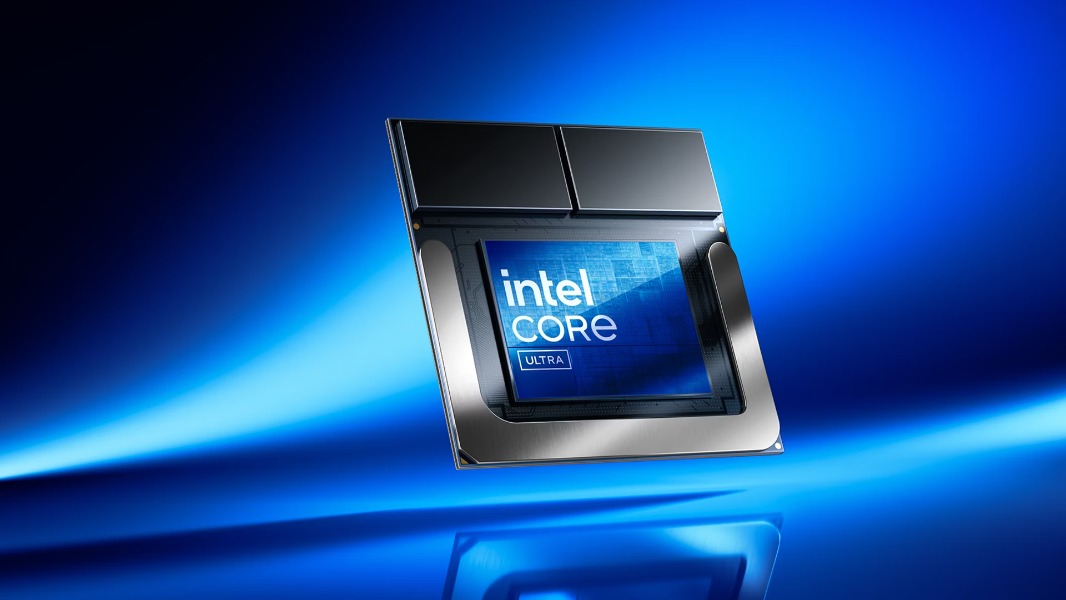
Intel announced yesterday that it’s planning to launch its “Lunar Lake” family of Core Ultra mobile CPUs on September 3, just a couple of days before IFA 2024 kicks off on September 6. The company will also be holding a livestreamed event at 9 AM PDT to introduce its new mobile CPUs
This new generation of Core Ultra chips will follow the “Meteor Lake” chips that Intel launched in December. These were Intel’s first mobile CPUs to integrate a neural processing unit (NPU) for the new AI PC market, but the company promises a big leap forward with its Lunar Lake chips.
In the teaser for its September 3 event, Intel said that it will highlight “the new processors’ breakthrough x86 power efficiency, exceptional core performance, massive leaps in graphics performance and the unmatched AI computing power that will drive this and future generations of Intel products.” The first AI PCs powered by Intel Meteor Lake chips didn’t exactly set the world on fire, but Intel is now competing with AMD and Qualcomm to create the best chips for the AI era.
In June, Microsoft and its PC partners launched the first “Copilot+” PCs powered by Qualcomm’s Snapdragon X Series chips. These chips delivered solid performance and better battery life than x86 chips, and thanks to Microsoft’s new Prism emulator on Windows 11, Windows on ARM is finally good enough for most consumers.
On July 31, AMD will also launch its Zen 5 AI processors, which will come with a better NPU than the one in Qualcomm’s Snapdragon X Series chips. While AMD’s Zen 5 chips and Intel’s Lunar Lake chips may be used for the first generation of x86-based Copilot+ PCs, Microsoft and its PC partners will need to educate consumers about the benefits of “AI PCs” and “Copilot+ PCs.”
The first Qualcomm-powered Copilot+ PCs launched before Windows 11 version 24H2 was fully baked, and they still lack killer AI features. Recall, a feature that will automatically take snapshots of users’ screens to let them search for the content they need has been delayed due to privacy concerns. Microsoft continues to encourage developers to leverage the NPU on Copilot+ PCs to create AI experiences that can run locally, but most of them may prefer to leverage cloud-based AI technology that can be accessible on any device.
If it will likely take years to see on-device AI technology really take off, the increased competition between Qualcomm, Intel, and AMD is good for consumers. While Qualcomm’s claims about multi-day battery life with its Snapdragon X Series chips were probably a bit exaggerated, it is definitely putting some pressure on Intel and AMD to deliver more power-efficient chips.