HP OmniBook Ultra First Impressions: This Panther Roars
- Paul Thurrott
- Jan 08, 2026
-
0
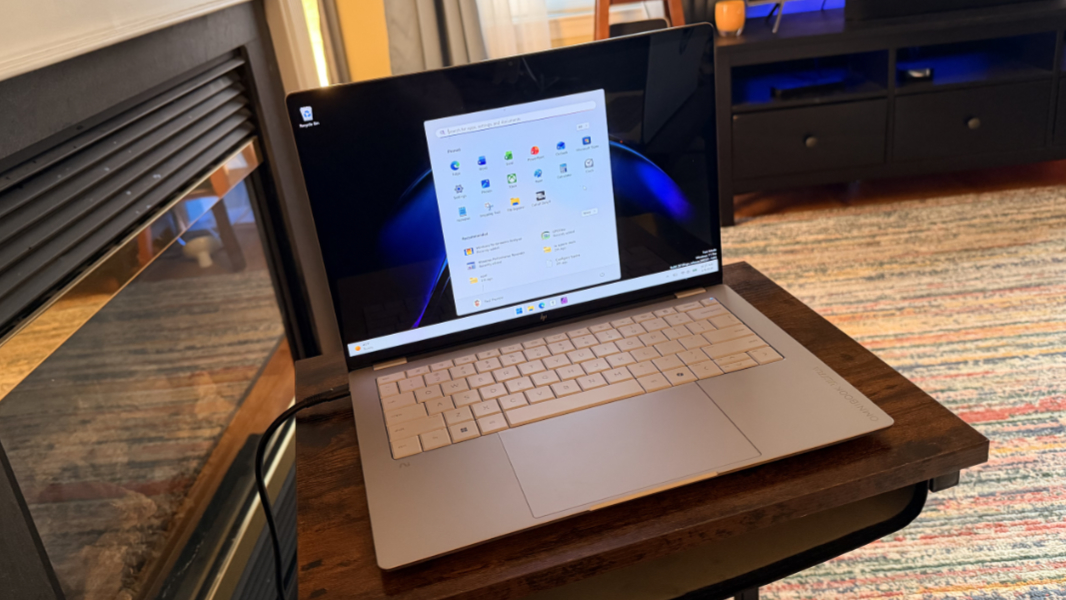
For the past month, I’ve been testing a new HP OmniBook Ultra 14-inch laptop based on an Intel Core Ultra Series 3 (“Panther Lake”) chip. And while I still have some reliability concerns, the key takeaway here is that Intel has amped up the performance of its integrated GPU dramatically. This thing is literally a game changer.
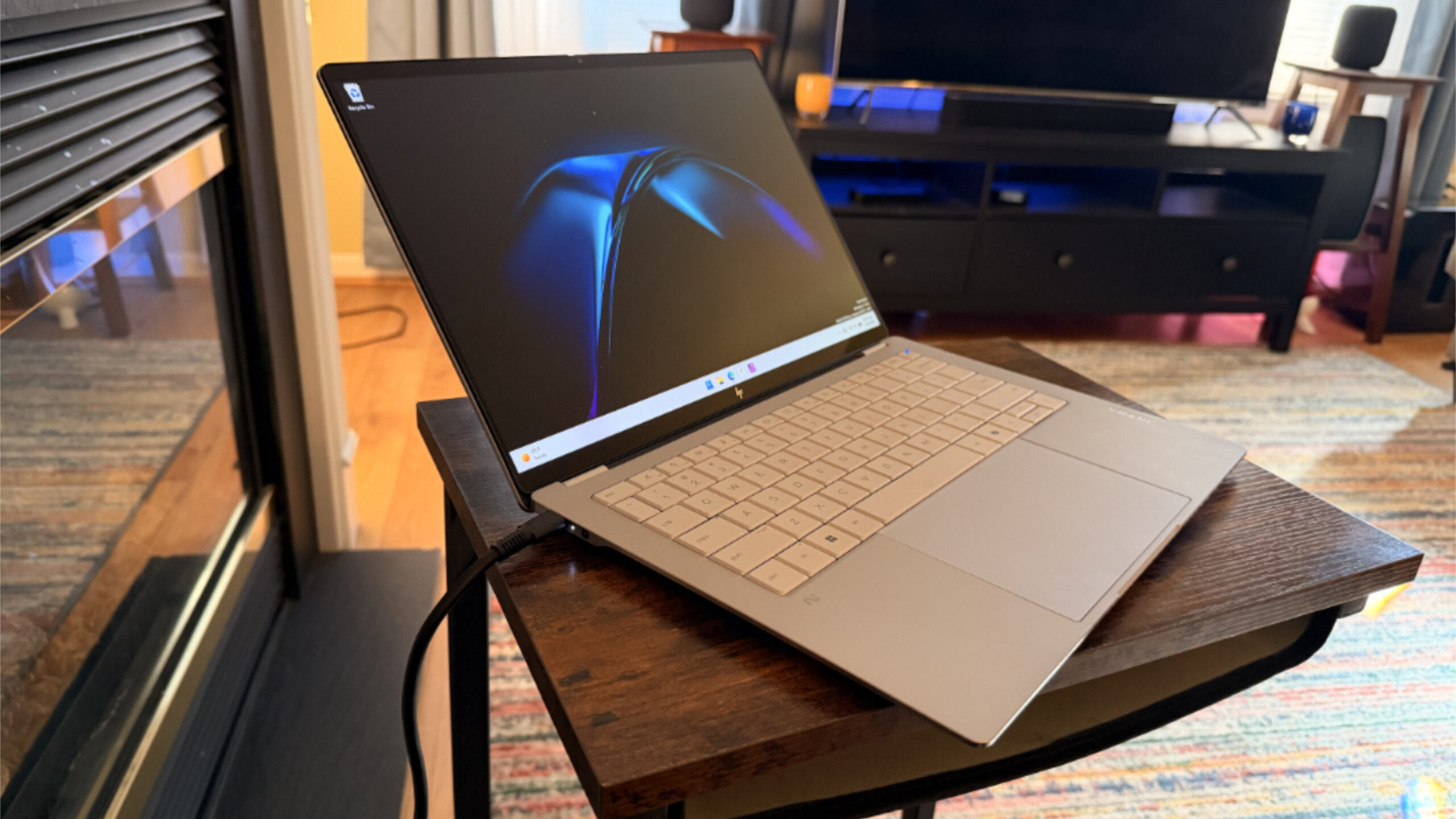
First, the basics. For 2026, HP is restyling the OmniBook Ultra with a new and very thin and light design that is modern, attractive, and respectful of previous generations. There are versions with Intel Core Ultra Series 3 and Snapdragon X2 Elite processors. Obviously, I’m quite curious about the Snapdragon version, but the Intel model I’m testing is impressive.
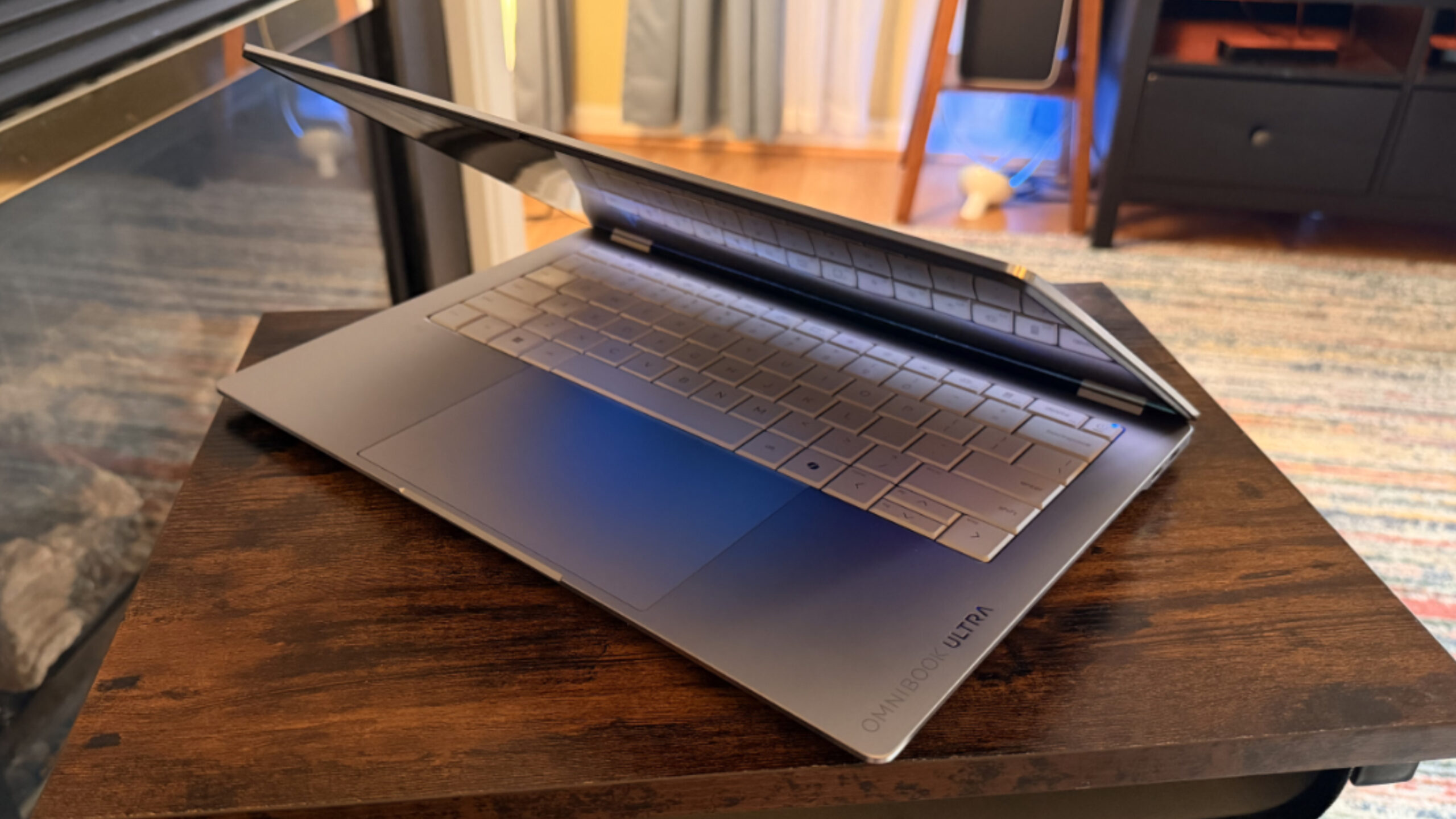
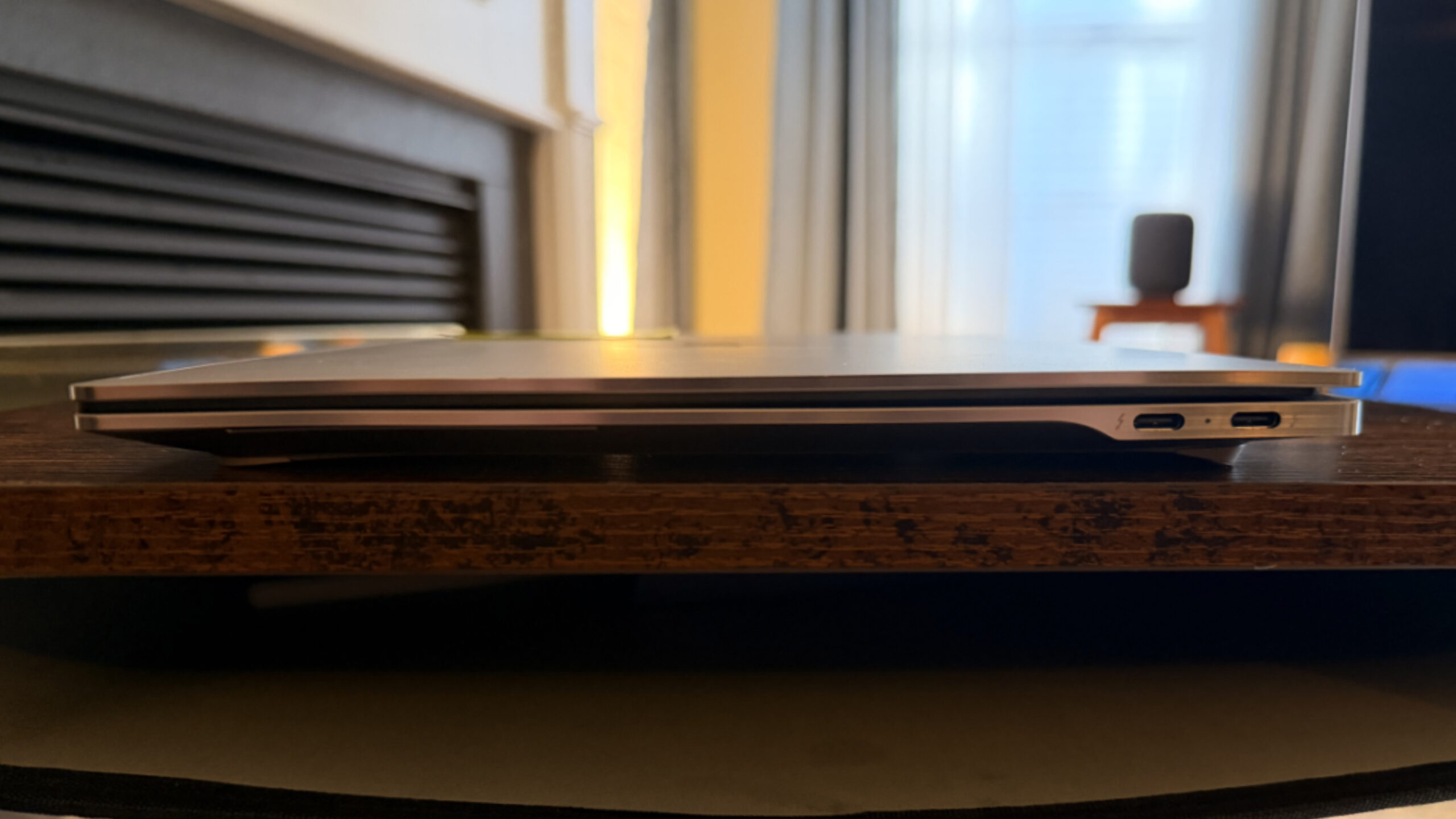
At 7.33 mm thin in the front and 10.7 mm thin in the rear, HP bills the new OmniBook Ultra as the world’s slimmest consumer notebook with the fastest AI performance. That’s a mouthful, but to put that in perspective, the 11.3 mm front and back.
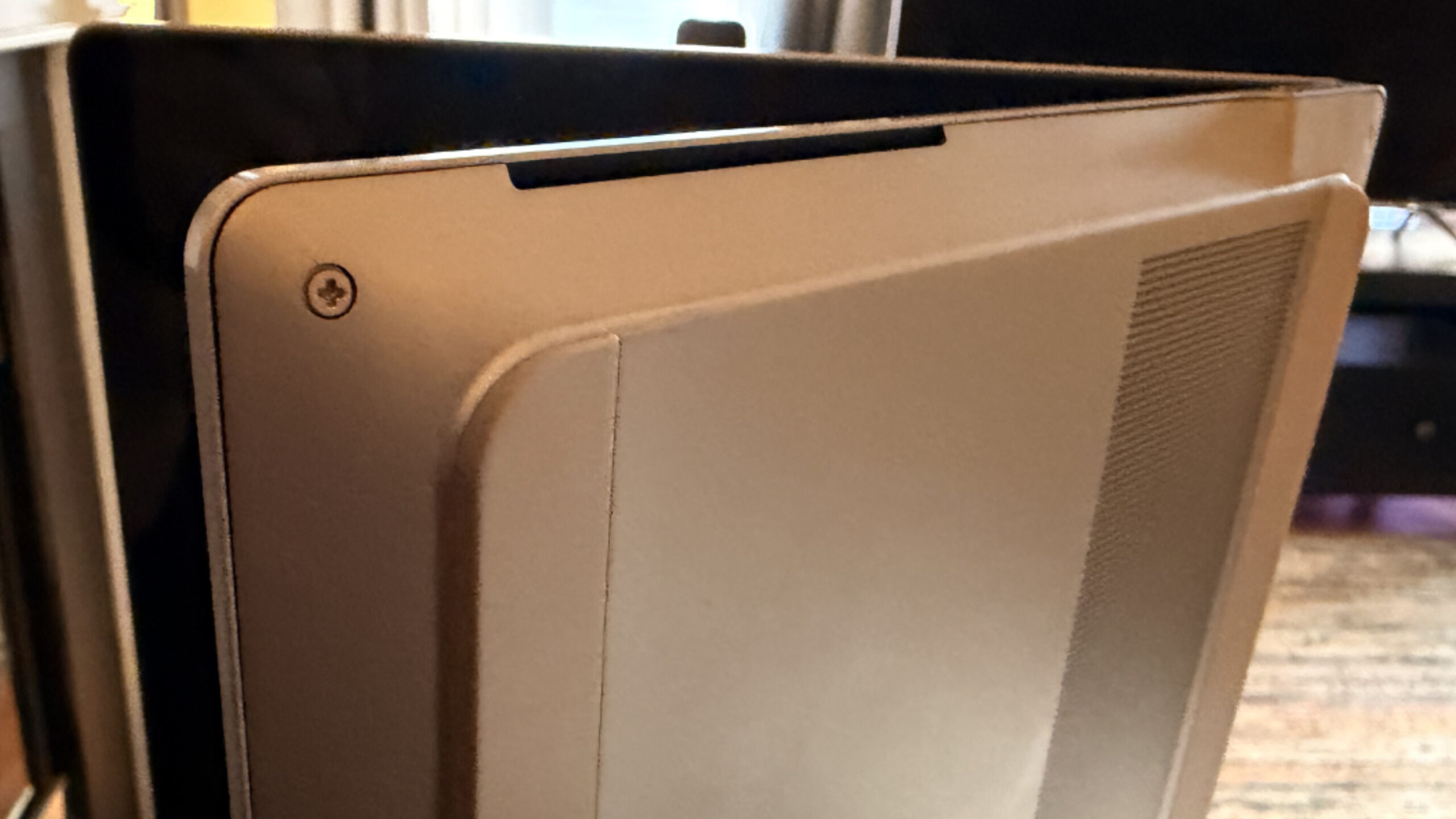
I like the look. The body is a set of two metal panels that can come apart easily with just four exposed screws. The keyboard is perhaps overtly plastic looking, a very light gray color, but with a nice typing feel. The haptic touchpad is quite large and nicely responsive, though the right-click double-tap gesture requires more force than I’d like. I’ll see if I can fix that in settings.
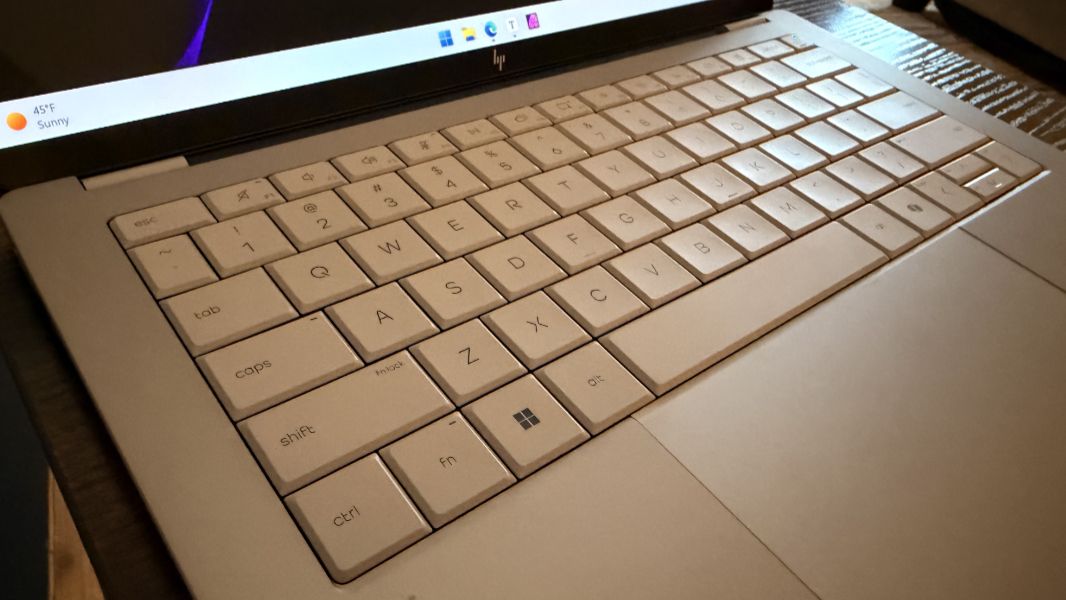
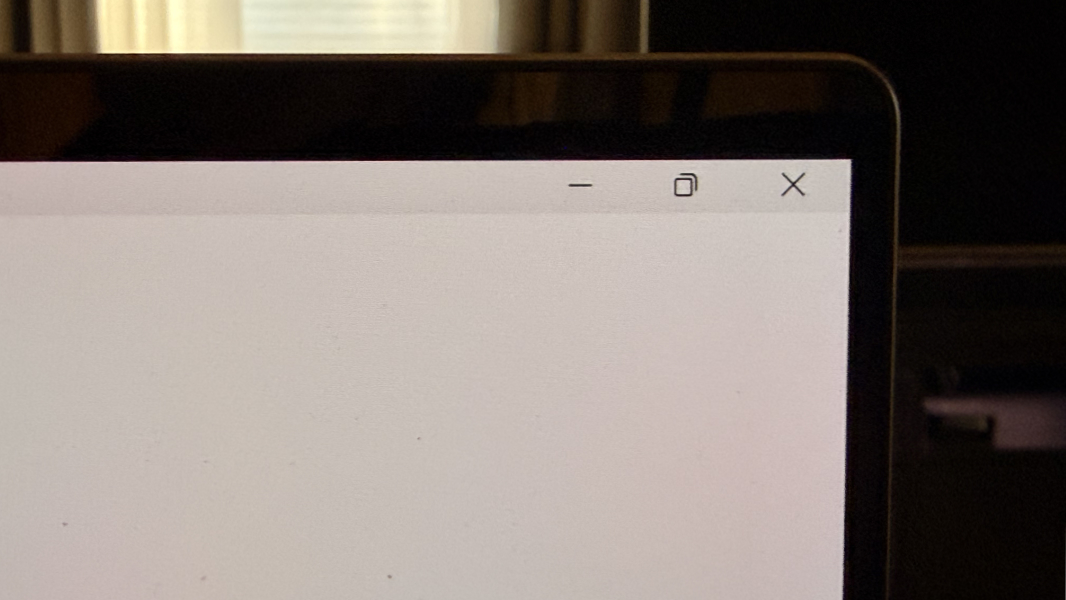
The bezels around the incredibly thin display panel are quite small, especially on the left and right sides. The OmniBook Ultra logo on the keyboard deck is shiny and reflective like the HP premium logo on the back of the display lid.
Underneath the OmniBook Ultra are two large rubberized feet that span the width of the PC, front and back. And the speaker slots are toward the front and downward firing.
The beating heart of this wolf in sheep’s clothing is an Intel Core Ultra X9 388H with Intel Arc B390 integrated graphics and a 50 TOPS NPU paired with 64 GB of RAM and a 1 TB SSD. There are two display choices, though the “lower-end” 2K OLED panel is only available on the Snapdragon models; the review unit came with a 3K OLED panel with a 120 Hz variable refresh rate (VRR) that shoots out 500 nits of brightness.
The performance is terrific and speaks, I think, to the end of dedicated graphics in mainstream laptops. Starting with Meteor Lake, two generations ago, Intel started delivering integrated graphics capable of playing modern AAA games well. Things improved nicely with Lunar Lake, the previous generation, though the latest (at the time) AMD Zen 5 designs were better.
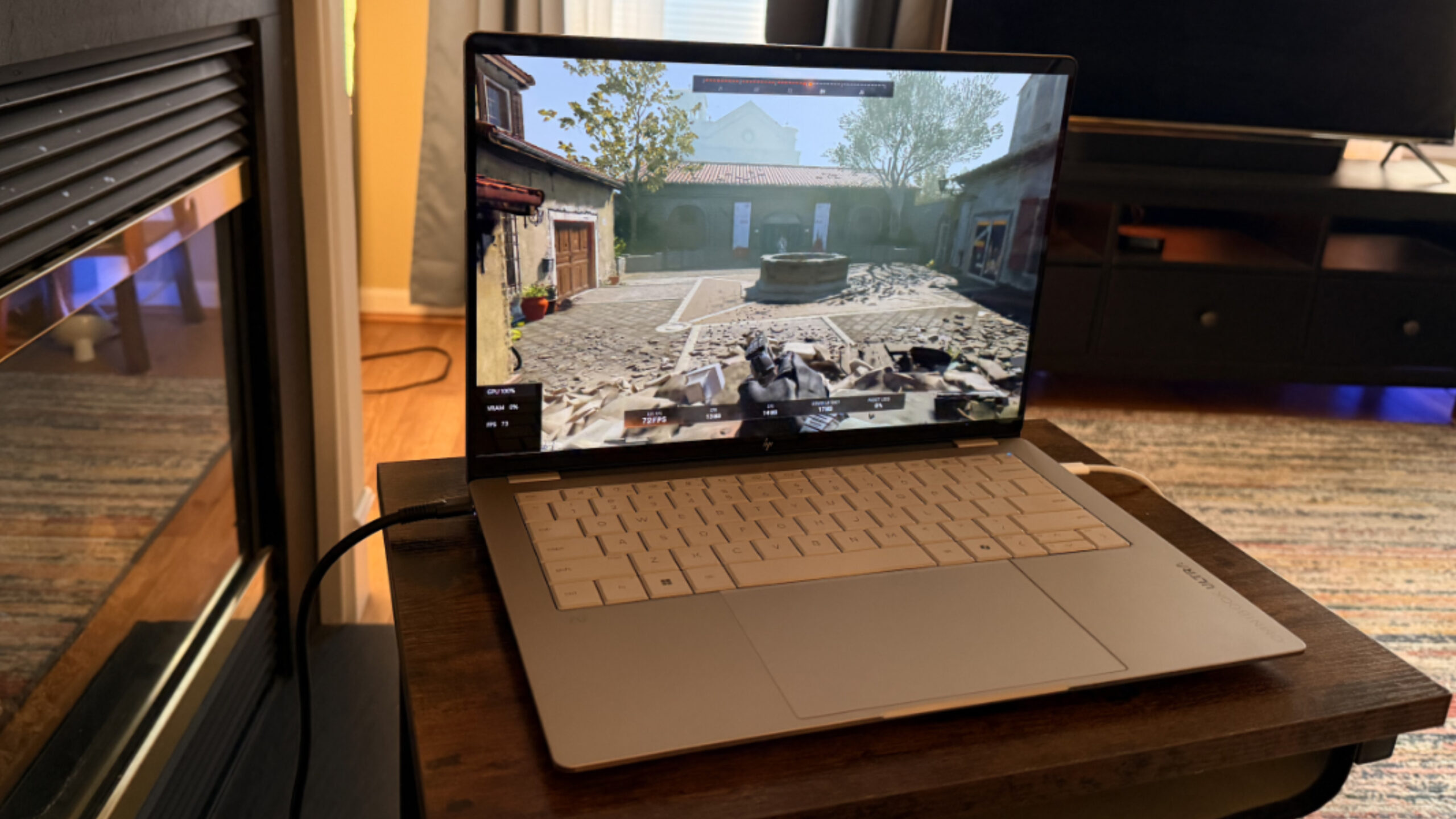
And now Panther Lake has raised the bar yet again. Testing it this morning, I’m consistently seeing over 80 FPS in Call of Duty: Black Ops 6 at native resolution, though I’ve seen triple-digit frame rates as well and feel some optimization is in order. But whatever, it’s fantastic, and the noise so far has been nearly non-existent. HP says this laptop includes its first compact vapor chamber design for heat dispersal and it appears to be working nicely.
Expansion is modern and minimal, with one Thunderbolt 4/USB 4 Type-C port on the left and two on the right. There’s also a combo microphone/headphone jack on the left.
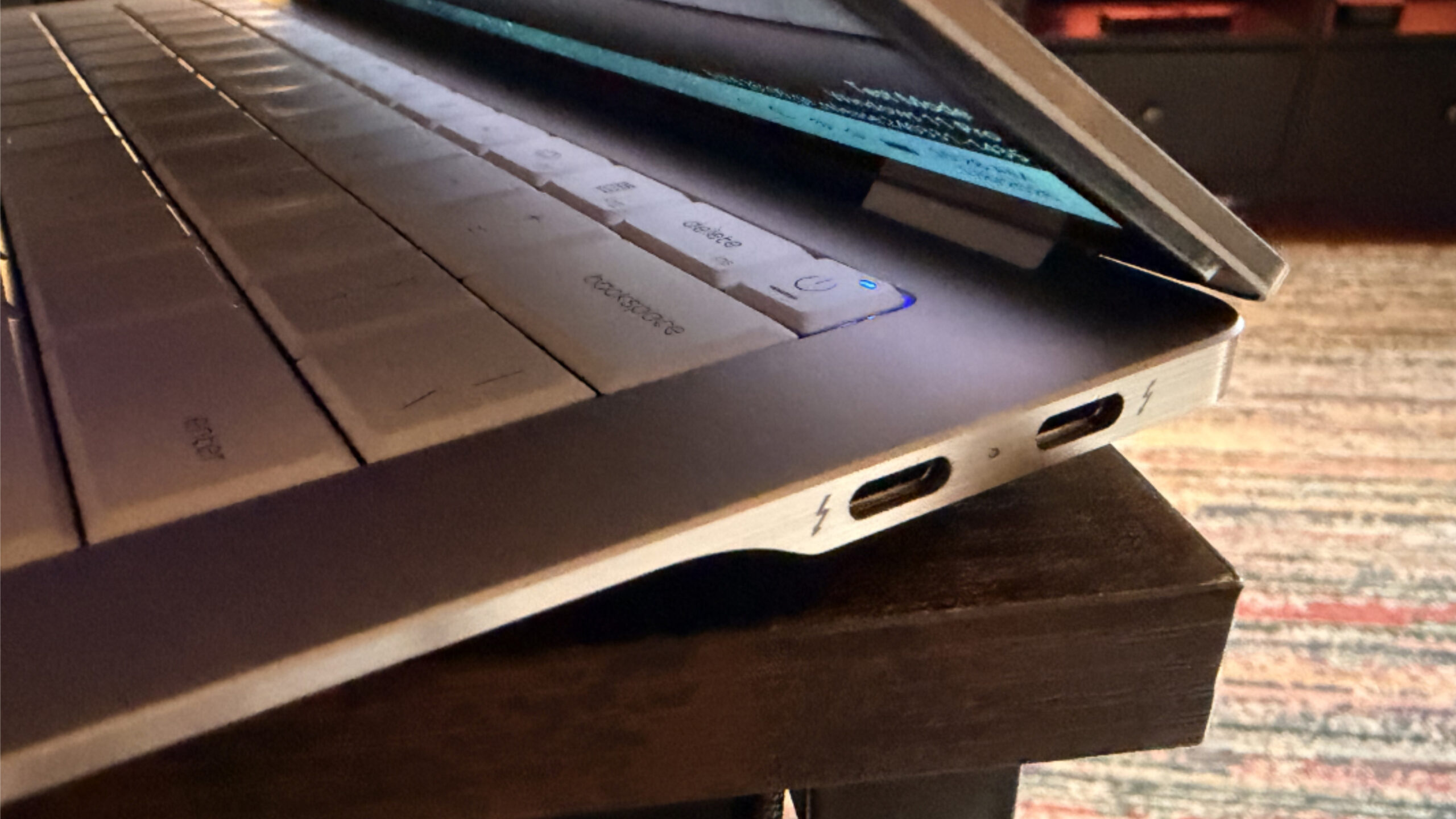
This is an elegant premium laptop and if my first impressions are any guide, it looks like HP and Intel have done an outstanding job modernizing their respective hardware. I’m bringing the OmniBook Ultra to Mexico when we fly on Friday and will review it more fully soon.