ASUS Zenbook A16 Preview
- Paul Thurrott
- Apr 09, 2026
-
13
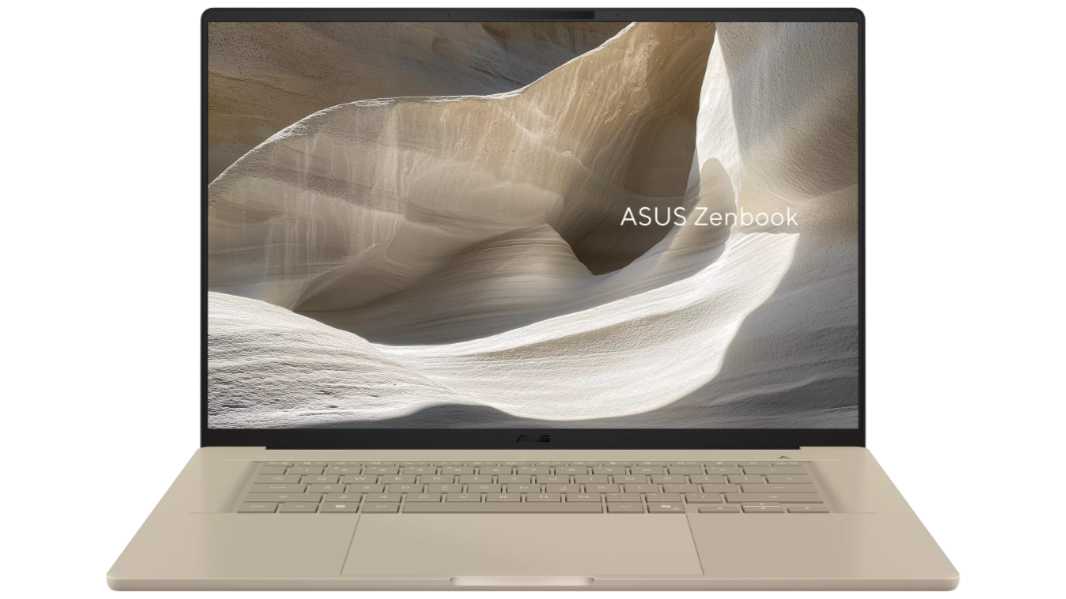
The first Snapdragon X2 Elite Extreme laptop is here, and I will review it … eventually. ASUS was nice enough to offer me its impressive looking Zenbook A16 for review. But it will be mid-May before I can start with that, when we get back to the U.S. from Mexico City.
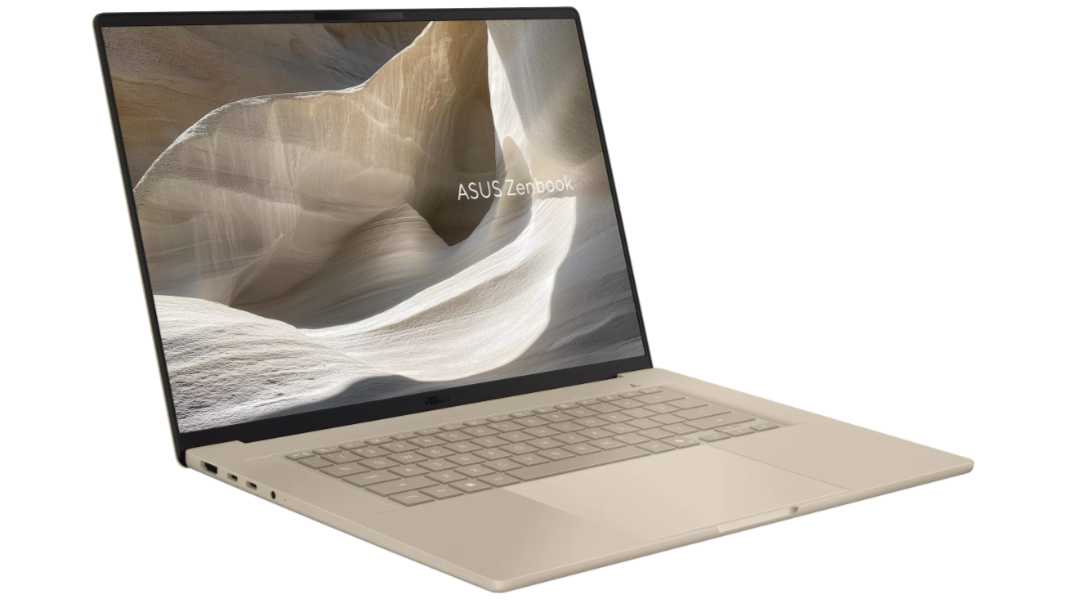
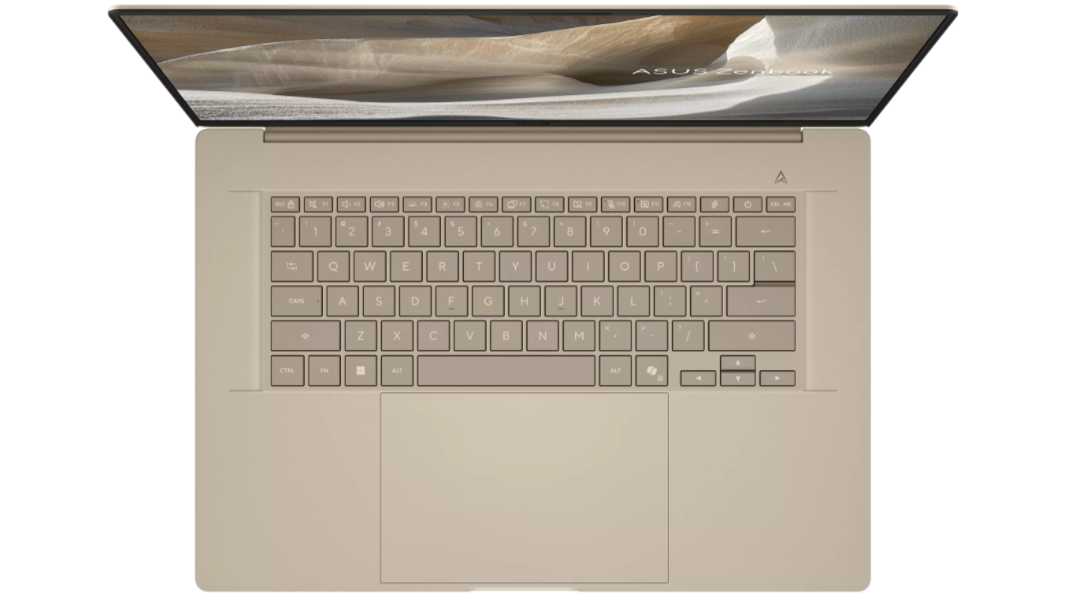
The ASUS Zenbook A16 is my kind of laptop with a 16-inch 3K (2,880 x 1,800) OLED display and keyboard floating in the middle of the deck, unencumbered by a numeric keypad like God intended. Better still, it’s based on a second-generation Qualcomm Snapdragon X2 processor, and not just any processor, but the top-of-the-line X2 Elite Extreme. Be still my heart: Given how well even the lowest-end first-generation Snapdragon X laptops work, this should be truly impressive.
That processor benchmarks better than Apple’s M5, but this system on a chip (SoC) delivers impressive graphics and AI performance gains, too. But the big deal about the X2 Elite Extreme, in particular, is that Qualcomm unified the RAM, which also has wider bandwidth than that used by other X2 chips, directly into the SoC.
That ASUS was able to tie this beast of a processor, 48 GB of RAM, and up to 2 TB of storage to a 16-inch display in a laptop that weighs just 2.7 pounds is perhaps just as impressive. That’s more typical for a 14-inch laptop, as ASUS notes, and the company credits its “cerealuminum” material in the lid, frame, and base for the weight savings. This ceramic-based anodized aluminum material also helps protect against scratches and is supposed to be incredibly durable.
ASUS claims 21 hours of battery life, so it’s reasonable to expect 12 hours-ish in real world use or more, we shall see. There’s fast charging, of course. Dolby Atmos sound through six speakers. Two USB4/Thunderbolt 4 ports, HDMI 2.1, one USB 3.2 Gen 2 Type-A port, an SD card reader, and an audio combo jack. And Windows Hello ESS-based facial recognition.
The Zenbook A16 runs Windows 11 Home and is, of course, a Copilot+ PC.
You can learn more about the ASUS Zenbook A16 on the ASUS website, and the price is about $1700, which makes sense given the premium design and the component crisis; I suspect this would have been closer to $1500 a year or two ago. But whatever: That’s less than a comparably equipped MacBook Pro M5. And I can’t wait to review it.