This is How Apple Will Transition Macs to its A-Series Chips (Premium)
- Paul Thurrott
- Dec 03, 2018
-
33
Many are wondering whether Apple will switch the Mac from Intel chipsets to its own A-series chips. That’s the wrong question. The real question is when it will do so.
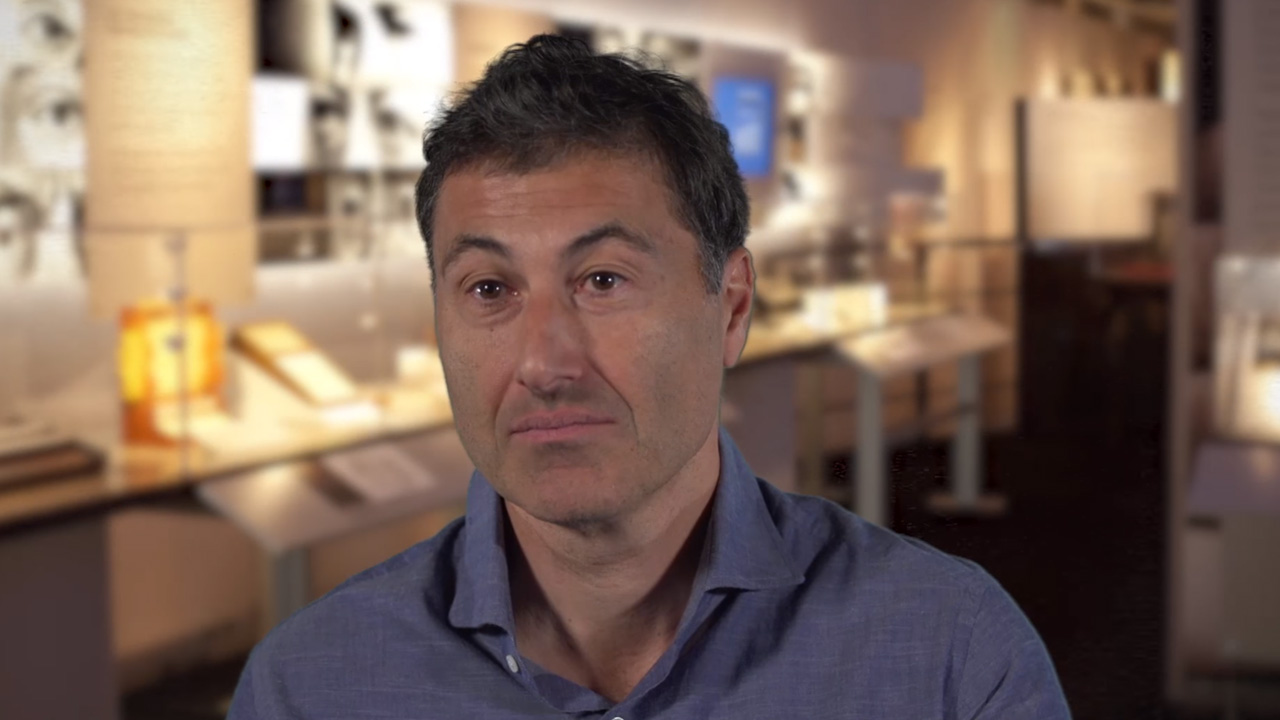
For an important hint at how this will happen, I strongly recommend watching the Computer History Museum’s two-part Oral History of Avadis Tevanian on YouTube. Over four and a half hours, Avie—as he prefers to be called—tells the story of he designed the Mach operating system, and how he brought this system to Next for NextStep and OpenStep and later to Apple, where it became Mac OS X (now macOS).
Mr. Tevanian reveals an incredible number of important historical details from both NextStep and Apple. But for purposes of this discussion, his description of Apple’s switch from PowerPC to the Mac, which is in part two of the video series, is the most pertinent. (Also important, I think, is that Mach was designed to be platform independent, which of course helped make the later switch possible.)
Interviewer John Markoff kicks off this discussion by throwing out that Apple’s switch from PowerPC to Intel didn’t really happen on the one-year schedule that the company publicized at the time.
“[Steve Jobs] telegraphed to me this switch to Intel a year before it happened,” he said, after lauding Jobs’s prowess as a “strategist.” “We had a conversation about a year before … and this was all in his head. He had sort of told me it was going to happen.”
“Him telling you a year in advance is only a surprise in that you were a member of the press,” Tevanian says in response to this statement. “We were already working on it [at that time, a year before Apple announced its plans].”
“One of the things about being in tech is [that] when a product is announced, it was already working well before that,” he continues. “And so, the people who are already working on it knew that it was coming. He may not have known the exact date, but as far as I was concerned, we were working on that product the day I started at Apple in 1997.”
Now that is interesting.
Apple announced its intention to switch the Mac to Intel on June 6, 2005. Avie Tevanian had started working at Apple over 8 years earlier when the Next acquisition in February 1997. Obviously, Mac OS X didn’t become a thing until 2001, but before that, Next had ported its NextStep OS, which became Mac OS X, to Intel and other processor architectures as OpenStep.
“For me, having our software running on an Intel processor at some point in time was inevitable,” Tevanian continues. “It always was about [having] options, and how we would execute [on] those options.”
Among those options, by the way, was licensing Mac OS X to PC makers. As you may recall, Next had had to get out of the hardware business. And with Tevanian and other key executives coming to what was in the early 2000s still a “beleaguered” Apple, there was a fear that they would have to exit the hardware market yet again. Ensuring that Mac OS X ran on the most popular PC chipset architecture at the time was simply prudent.
Another option, Tevanian says, is that Apple might have simply kept building premium computers itself—“something [it] was really good at”—and allow PC makers to sell cheaper machines using the same OS X platform. “[Those PCs] would probably be based on an Intel processor,” he says.
But that’s not what happened. Instead, Apple just switched from PowerPC, which had fallen behind, to Intel.
“To me, it was inevitable,” he repeats. “I knew that at some point in time, Steve [Jobs] was going to say, ‘I need this product.’ And I knew, starting from scratch, that it was a 3-5 year effort because of everything involved. To port an entire OS and do emulation and everything else. And so I knew I had to have it ready so that when it was time to pull the trigger, we could get it out in 9-12 months.”
That 9-12 months bit is, of course, the entire story that Apple that sold the public. After announcing its plans to make the switch, Jobs announced milestone after milestone—the guy was really into providing updates, something Apple still continues doing—until the transition was deemed “complete” in August 2006.
Flash forward to 2018 and Apple’s in the chipset business now. Its A-series chips are routinely lauded for their performance and technical excellence. And Apple, a latecomer to this market, has consistently led the way to ever-smaller and more efficient manufacturing processes, leaving competitors like Qualcomm and, yes, Intel in the dust.
Many are wondering whether Apple would thus switch from Intel to its own A-series chips in its Macs, bringing further symbiosis between its desktop and mobile platforms. But again, that’s the wrong question. The right question is when Apple will do so. And recent reports suggest that the company is planning to make this switch by 2020.
That may seem aggressive. But given Tevanian’s description of how long Apple had been working on the original PowerPC-to-Intel switch, I think it’s safe to assume that the company has long plotted this switch as well. In fact, I bet you can look back to Apple’s decision to bring its chipset designs in-house over ten years ago as the logical beginning of this work.
Of course, Tevanian is long gone from Apple; he left in 2006. And Apple’s current CEO, Tim Cook, is no Steve Jobs. So one might also conclude that its past efforts will have little or no bearing on what it does today.
That’s not a safe bet: Under Tim Cook, Apple has accelerated its chipset efforts to include a wide range of special functions—including its S-series, T-series, and W series chipsets—that truly differentiate its offerings. This is a key component of how Apple under both Jobs and Cook has done business: Partner with others only when you need to, and replace those partners as quickly as possible when you can ramp up to do that work yourself.
Unlike with Apple’s transition to Intel, I don’t have any insider information about this coming shift. But in watching and re-watching this set of Tevanian interviews, I can see the future just as clearly as I can see the past. And Apple will almost certainly shift the Mac away from Intel and to its own A-series chips.
If history is any guide, and I think it is, this shift should happen seamlessly, too.

Gain unlimited access to Premium articles.
With technology shaping our everyday lives, how could we not dig deeper?
Thurrott Premium delivers an honest and thorough perspective about the technologies we use and rely on everyday. Discover deeper content as a Premium member.