Adobe Launches Experimental Camera App for iPhone
- Paul Thurrott
- Jun 19, 2025
-
1
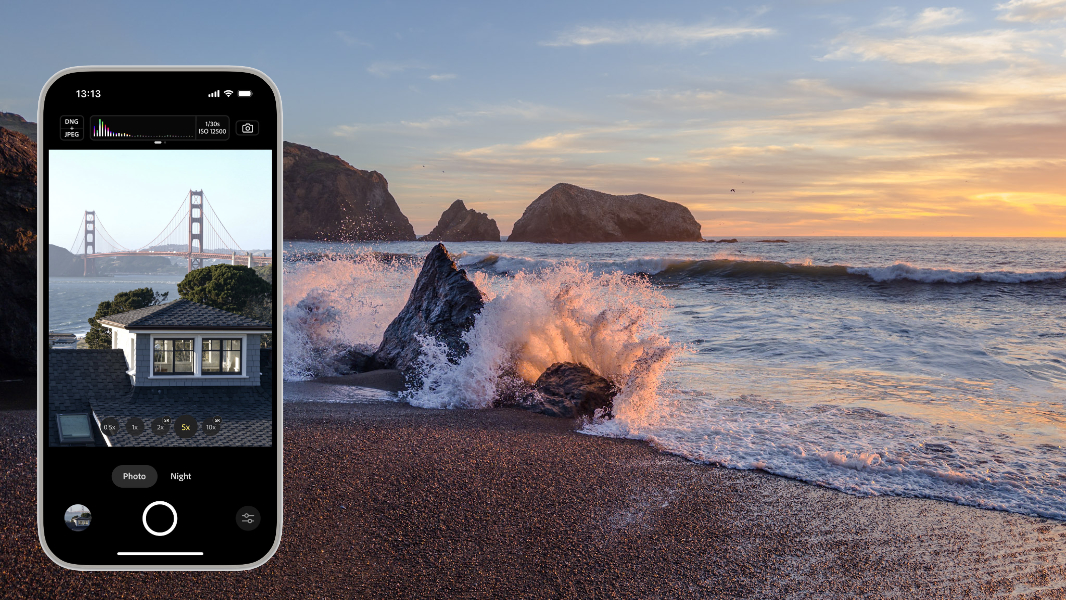
Project Indigo is an experimental computational photography app for the iPhone that was developed by Adobe’s Nextcam team. It’s something I may have ignored if it weren’t for the fact that it’s headed up by Adobe Fellow Marc Levoy, who helped create HDR+, Portrait Mode, Night Sight, and other computational photography features for the Pixel smartphones while in Google Research.
“As Adobe explores ways to evolve mobile photography, we have developed a camera app we call Project Indigo,” Levoy and Adobe senior scientist Florian Kainz write in the announcement post. “The app offers full manual controls, a more natural (“SLR-like”) look, and the highest image quality that computational photography can provide, in both JPEG and raw formats. It also introduces some new photographic experiences not available in other camera apps.”
The reason this is exciting is that Levoy is a genius. I still fondly remember his computational photography presentation at the Made by Google ’19 event for being a master class in clearly explaining a technical topic. Levoy left Google in early 2020 to join Adobe, where he was named a Fellow and went on to “spearhead company-wide technology initiatives focused on computational photography and emerging products, centered on the concept of a universal camera app.”
The first release of that universal camera app is called Project Indigo. It’s free and available for the iPhone Pro and Pro Max 12 and newer, and iPhone 14 (non-Pro) and newer, but a version for Android is on the way. It currently only supports still photography, but panorama and video recording with “some cool computational video features” are coming soon, too. This is by design: The work on Project Indigo is ongoing, and Adobe is looking to get some feedback on its work ahead of integrating its cutting-edge technologies into Adobe’s flagship creative products, especially Lightroom.
At a high level, the goal for Project Indigo is to evolve mobile photography so that it can fulfill the needs of hobbyists and professional photographers. Unlike previous computational photography efforts, Project Indigo doesn’t under-expose slightly to reduce highlight clipping or capture multiple images in rapid succession so that they can be composited into a single final image later. Instead, it strongly underexposes and captures far more images–up to 32 frames–in rapid succession. Photos take a few seconds to appear, but they offer a better picture, with less spatial noise to post-process, resulting in more natural textures. Also, it can output JPEG and raw versions of each photo, and both benefit equally from computational photography.
The announcement post goes into great detail about the work done by the app, but the short version is that it doesn’t produce “smartphone look” photos that overly bright and with low contrast, high color saturation, strong smoothing, and strong sharpening. Instead, it produces images that are very similar to Adobe’s Adaptive Color profile. They’re more natural looking, and they’re also compatible with Adobe Camera Raw and Lightroom.
There’s a lot more going on here, but if you have an iPhone and care about digital photography, you need to check out this app. You can find a gallery of impressive Project Indigo-created photos on the Lightroom website. And you can download the app from the Apple App Store.