- Blog
- Programming Windows
Programming Windows
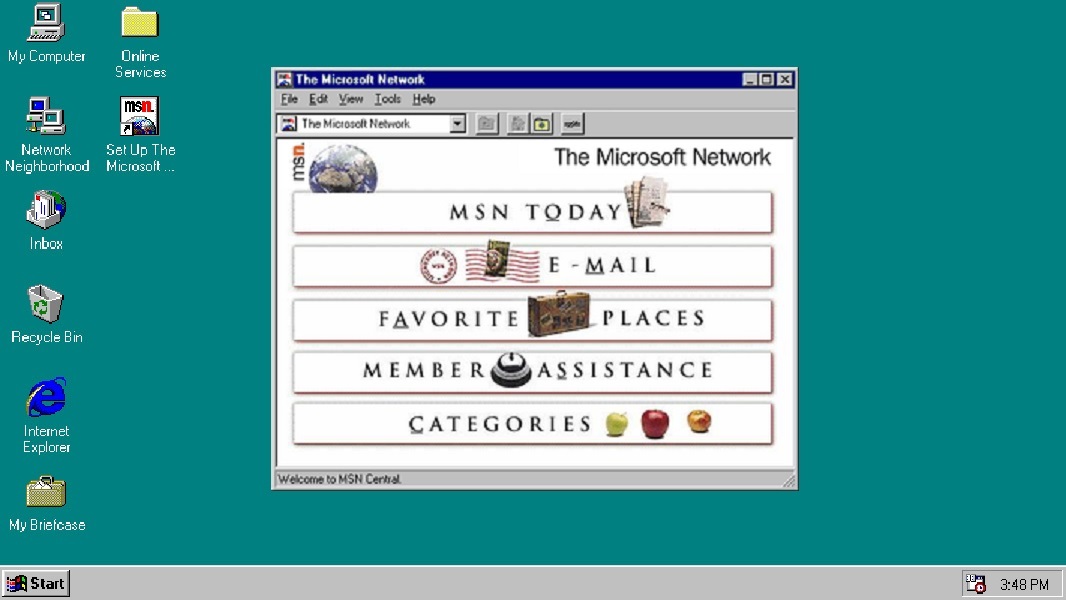
Programming Windows: Marvel (Premium)
- Paul Thurrott
- Aug 05, 2019
-
9
comments
Thanks to the stratospheric success of Windows in the 1990s, Microsoft was initially blind to…

Programming Windows: COM (Premium)
- Paul Thurrott
- Jul 28, 2019
-
4
comments
Inspired by deficiencies in DDE and OLE 1.0, the Component Object Model (COM) was a…
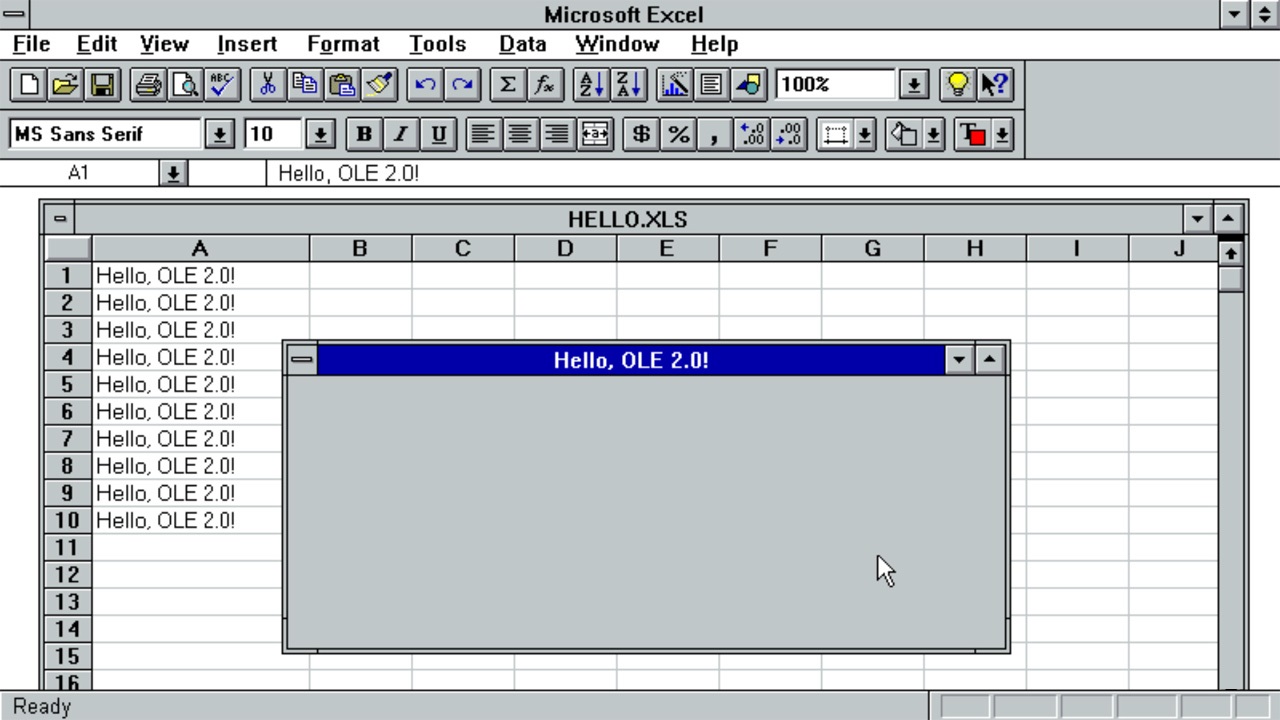
Programming Windows: Hello, OLE 2.0 (Premium)
- Paul Thurrott
- Jul 24, 2019
-
8
comments
In the early 1990s, Microsoft evolved Windows with inter-process communications capabilities based on OLE.

Programming Windows: OLE (Premium)
- Paul Thurrott
- Jul 23, 2019
-
4
comments
Object Linking and Embedding (OLE) brought compound document capabilities to Windows, starting in version 3.0.
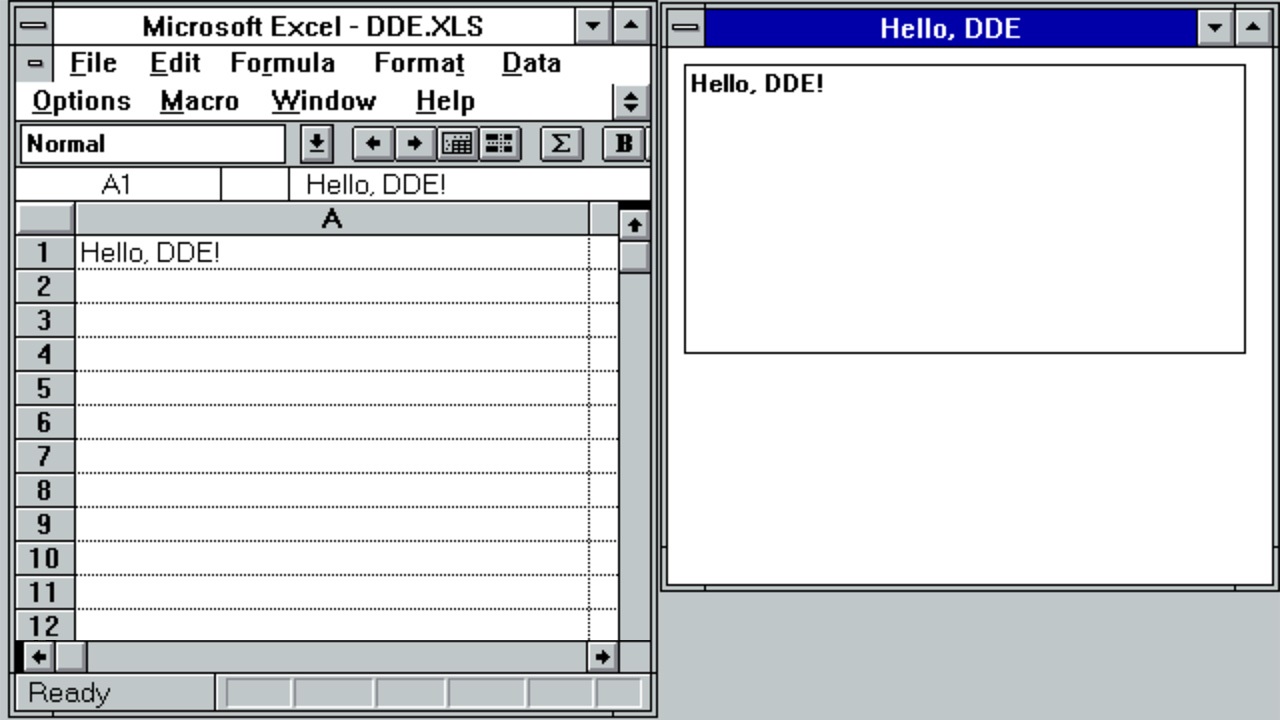
Programming Windows: Hello, DDE (Premium)
- Paul Thurrott
- Jul 22, 2019
-
7
comments
Using Dynamic Data Exchange was next to impossible unless you were using Visual Basic with…

Programming Windows: BASIC Inventors Take on Gates, Microsoft (Premium)
- Paul Thurrott
- Jul 22, 2019
-
13
comments
In another sidebar, the inventors of BASIC had some choice words for Bill Gates, Microsoft,…
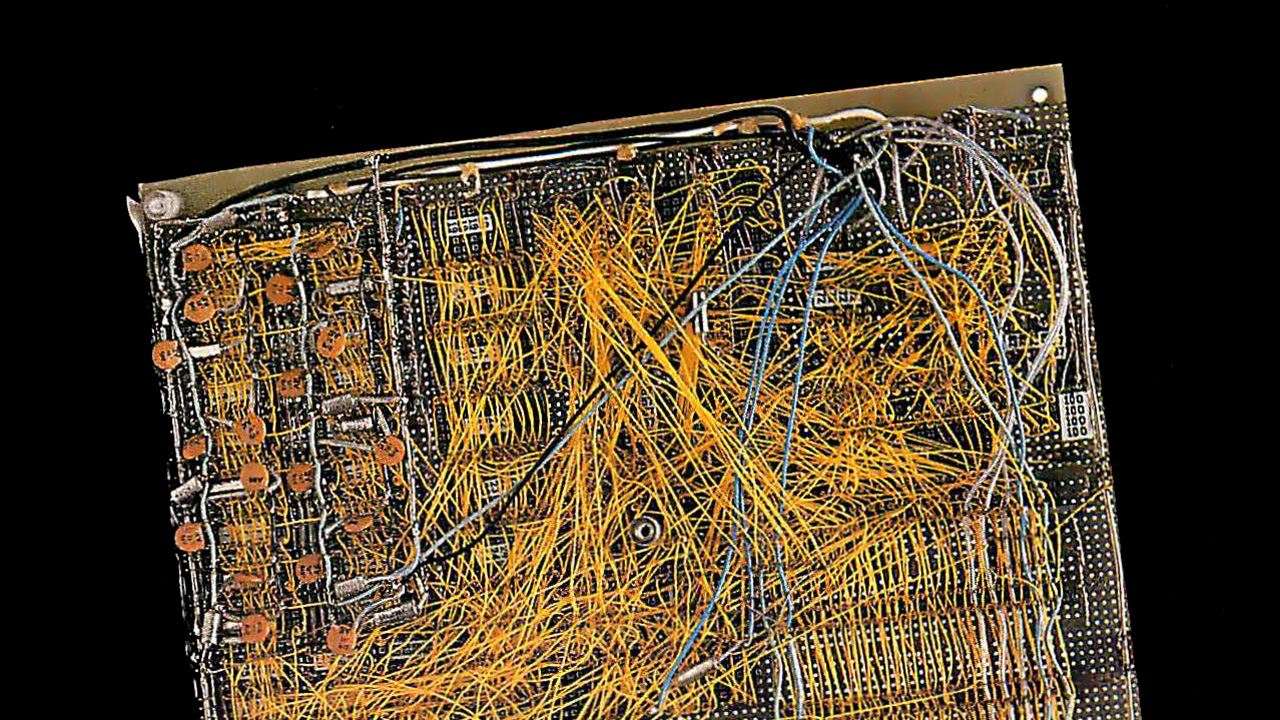
Programming Windows: IBM Defends the Original PC (Premium)
- Paul Thurrott
- Jul 21, 2019
-
16
comments
In this sidebar to the Programming Windows series, a key architect of the first IBM…
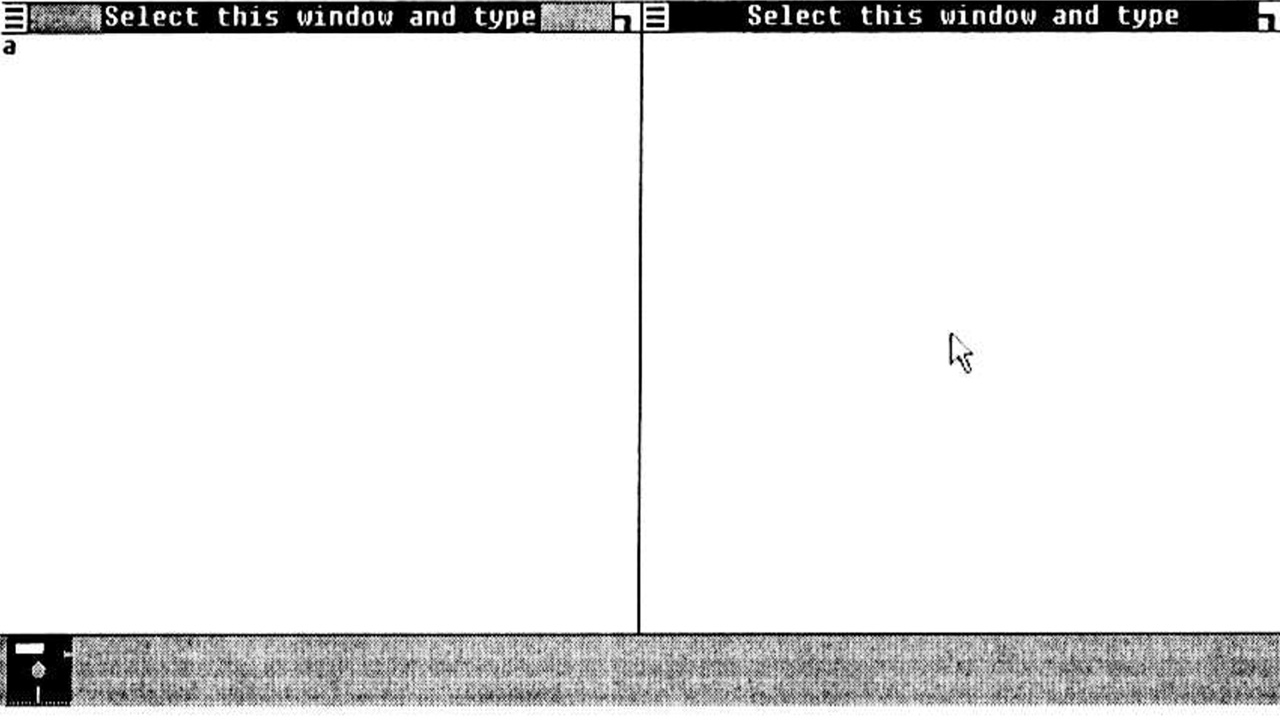
Programming Windows: Clipboard and DDE (Premium)
- Paul Thurrott
- Jul 20, 2019
-
7
comments
Early GUIs like Windows were easy to use, but they also provided advanced system-level features…

Programming Windows: A Quick Progress Report (Premium)
- Paul Thurrott
- Jul 17, 2019
-
16
comments
6 weeks ago, I set out to tell the history of Windows from a different…

Programming Windows: MFC (Premium)
- Paul Thurrott
- Jul 16, 2019
-
5
comments
MFC allowed C++ developers to quickly generate skeleton code for even the most complex of…
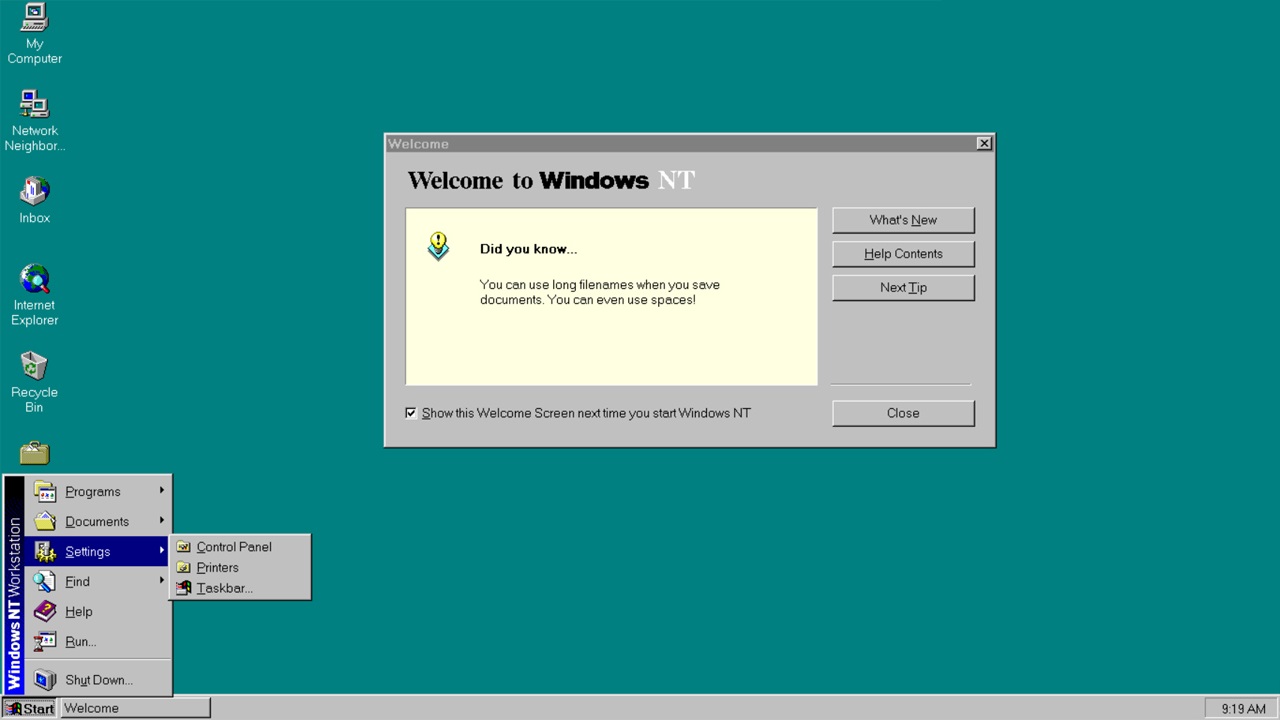
Programming Windows: NT Everywhere (Premium)
- Paul Thurrott
- Jul 16, 2019
-
24
comments
After it finally shipped Windows NT, Microsoft spent the next five years steadily improving the…
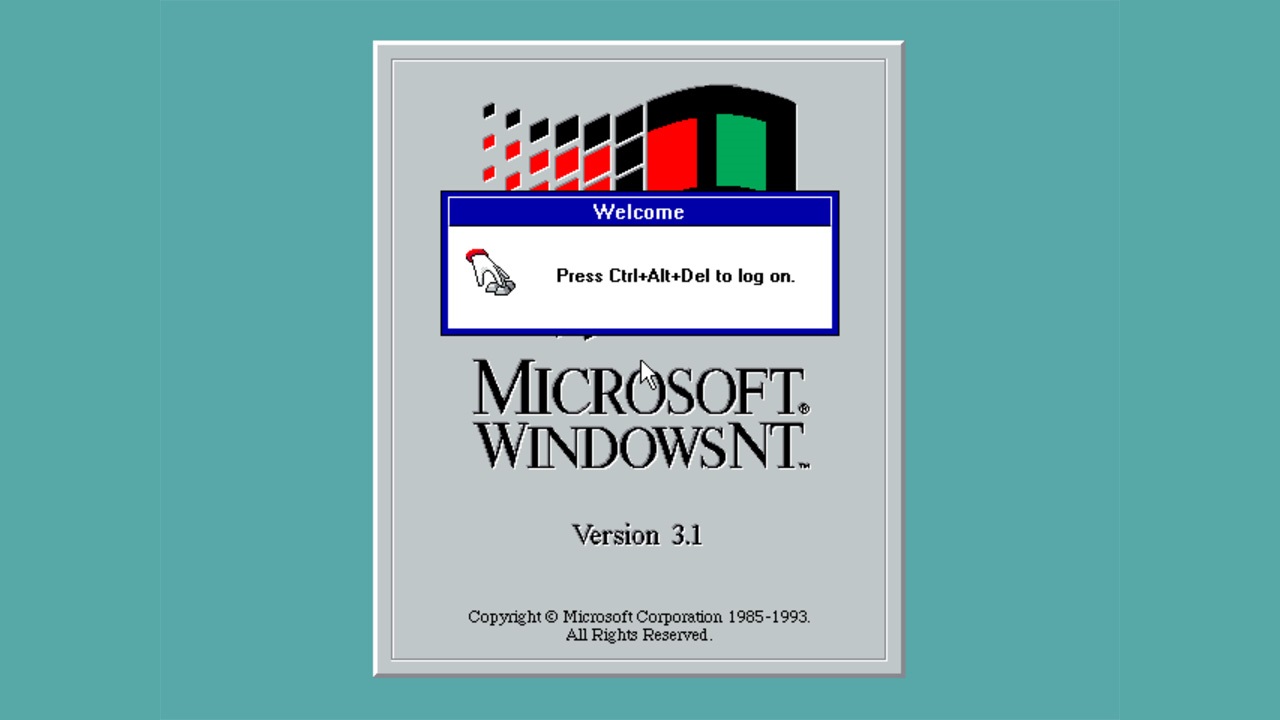
Programming Windows: The Windows NT Death March (Premium)
- Paul Thurrott
- Jul 15, 2019
-
25
comments
Between 1991 and 1993, Microsoft dogfooded its own code and fought feature creep and bugs…

Programming Windows: NT (Premium)
- Paul Thurrott
- Jul 15, 2019
-
17
comments
Before there was Windows NT, there was NT, a 32-bit portable operating system that would…
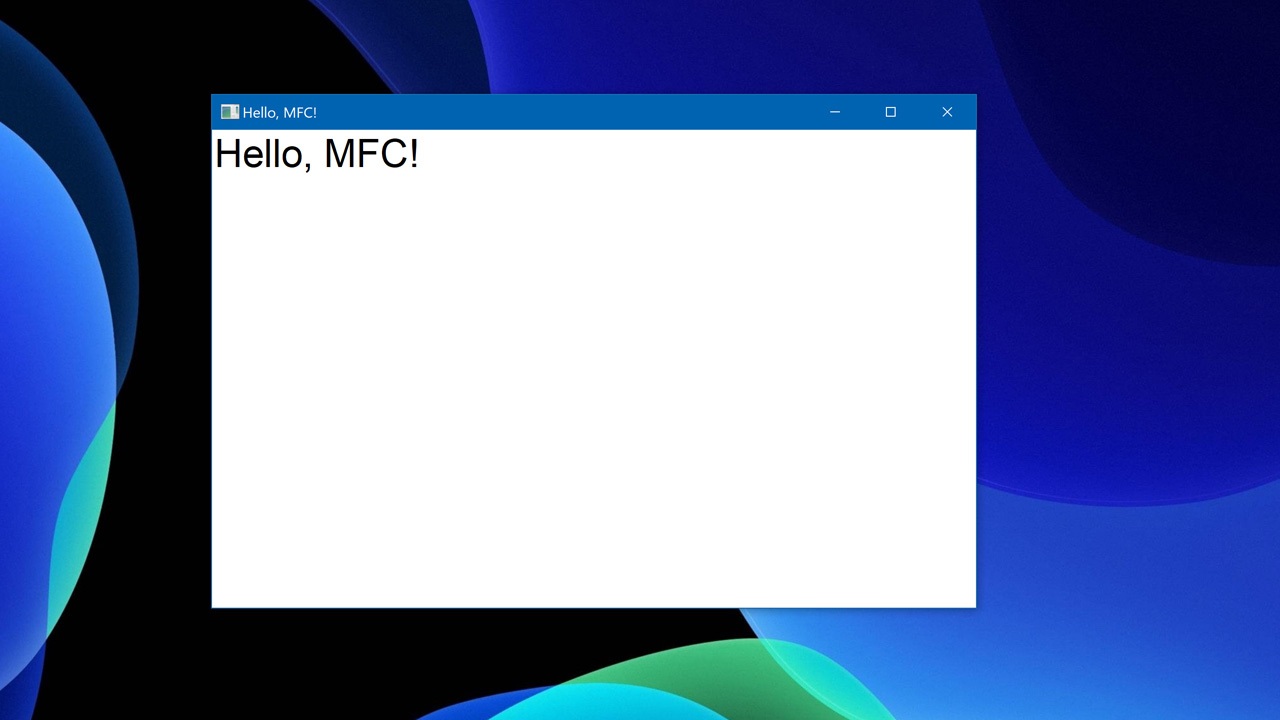
Programming Windows: Hello, MFC (Premium)
- Paul Thurrott
- Jul 14, 2019
-
3
comments
Before diving into the Microsoft Foundation Class library, I thought it might be a good…

Programming Windows: Object-Oriented Programming
- Paul Thurrott
- Jul 14, 2019
-
4
comments
OOPs! By the 1990s, Windows application developers were consumed by the move to Object-Oriented Programming,…

Programming Windows: Hello, C++ (Premium)
- Paul Thurrott
- Jul 11, 2019
-
5
comments
Say hello to C++, an object-oriented superset of C that is still one of the…