Microsoft Quietly Disabled Windows Hello Facial Recognition in the Dark
- Laurent Giret
- Jun 16, 2025
-
1
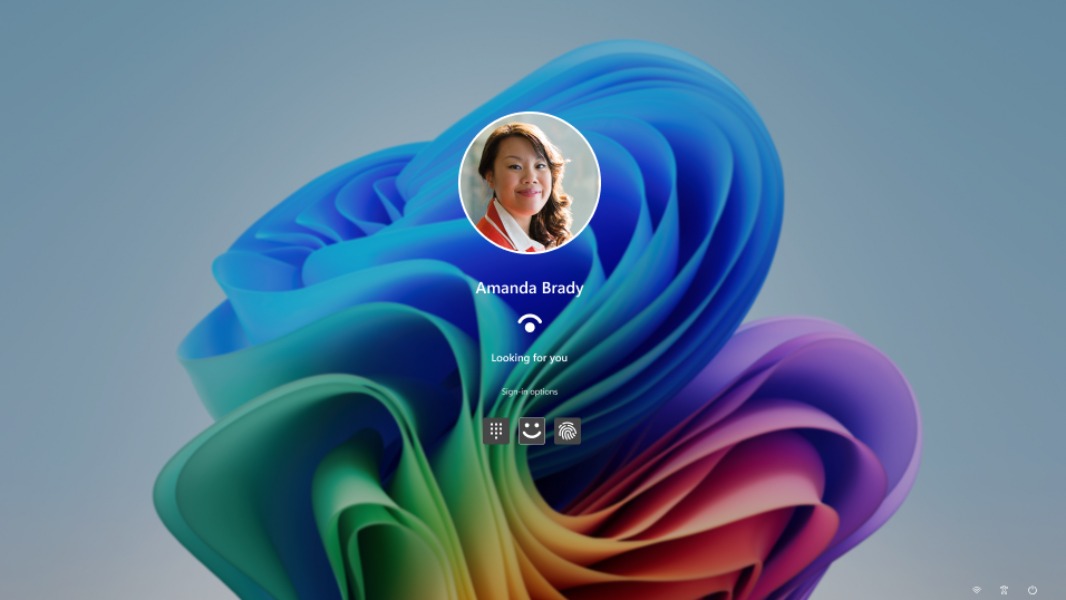
If you noticed that Windows Hello Facial Recognition on your PC recently stopped working in the dark, you’re not alone. It turns out that Microsoft quietly changed how to feature works to address a security vulnerability, and it no longer works in dark rooms.
Microsoft buried the change in the release notes for the April 2025 Patch Tuesday updates for Windows 11 and Windows 10, as noticed by Windows Central. “After installing this update or a later Windows update, for enhanced security, Windows Hello facial recognition requires color cameras to see a visible face when signing in,” the company explained.
The message links to a Windows Hello Spoofing vulnerability allowing attackers to perform spoofing locally due to an “inadequate detection or handling of adversarial input perturbations in Windows Hello.” At the time, Microsoft rated this security vulnerability as “important,” but the company wasn’t aware that it was already being exploited by attackers.
Windows Hello Facial recognition could previously identify people in the dark by using a camera specially configured for near-infrared (IR) imaging. Apple uses a similar technology for its Face ID feature that can also recognize people in the dark.
As mentioned by Windows Central, several Windows users have reported that it’s still possible to make Windows Hello Facial Recognition work in the dark by disabling your webcam in the Windows Device Manager. This workaround, which isn’t exactly convenient, will force the device’s IR sensors to authenticate people in the dark.
Windows Hello Facial Recognition is a really convenient authentication technology that builds on the work Microsoft previously did with Kinect face recognition on the Xbox 360. It’s unfortunate that the company had to cripple it on Windows 11 and Windows 10 PCs to enhance security.