Microsoft to Roll Out New Secure Boot Certificates to Keep Old Windows PCs Secure
- Laurent Giret
- Feb 10, 2026
-
6
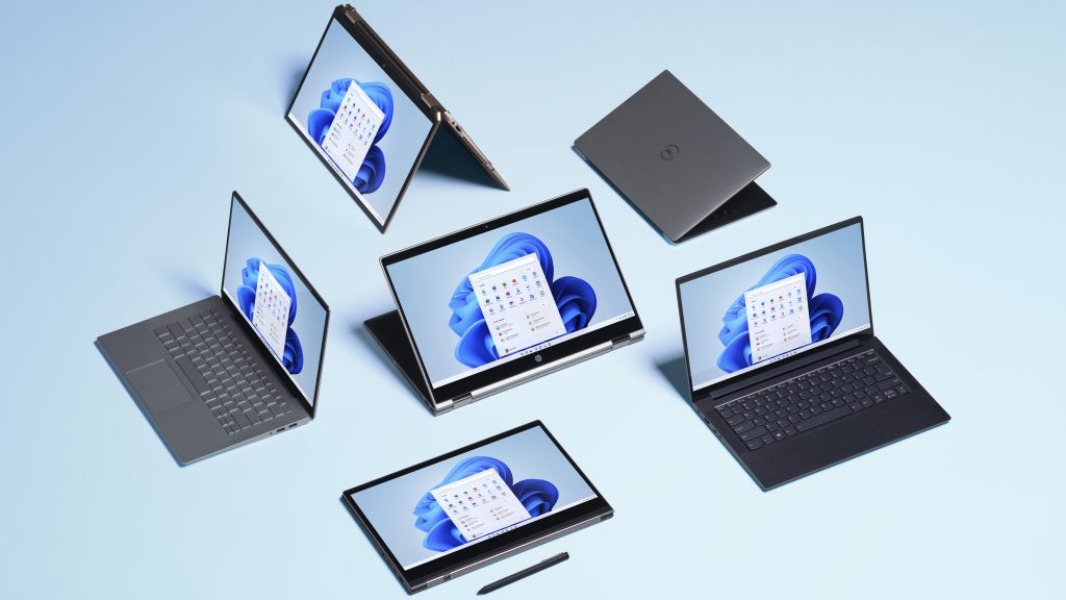
Microsoft announced today that it’s preparing to roll out new Secure Boot certificates via Windows Update to keep old PCs secure. The first Secure Boot certificates, which are stored in a PC’s firmware, will start expiring in late June 2026, and these devices will need refreshed certificates to remain protected from boot‑level vulnerabilities.
For those unfamiliar, Microsoft introduced its Secure Boot technology back in 2011, and it’s designed to block untrusted code from running before Windows loads. Secure Boot operates at the firmware level and has been a foundational part of the Windows 11 security model. However, it relies on security certificates that need to be refreshed to guarantee the best protection against boot‑level attacks, which are becoming increasingly sophisticated.
“Our ecosystem partners play a critical role in the transition to the new Secure Boot certificates. OEMs have been provisioning updated certificates on new devices and many newer PCs built since 2024, and almost all the devices shipped in 2025, already include the certificates and require no action from customers,” explained Nuno Costa, Partner Director, Windows Servicing and Delivery.
On PCs that require new Secure Boot certificates, the new bits should be automatically installed via Windows Update. However, Microsoft noted that a fraction of devices may require a separate firmware update issued by the PC manufacturer before the new Secure Boot certificates can be installed via Windows Update.
If old PCs that won’t receive the new certificates will continue to work, they will become exposed to new boot-level security threats. “Over time, this may also lead to compatibility issues, as newer operating systems, firmware, hardware or Secure Boot–dependent software may fail to load.”
To receive new Secure Boot certificates as expected, Microsoft recommends that Windows users check their OEM support pages to see if they have the latest firmware updates. Devices running unsupported versions of Windows 10 and Windows 11 also won’t receive the new certificates. However, Windows 10 users enrolled in the Extended Security Updates program will receive them.