Microsoft Has Reportedly Backtracked on Some Copilot Integrations on Windows 11
- Laurent Giret
- Mar 16, 2026
-
4
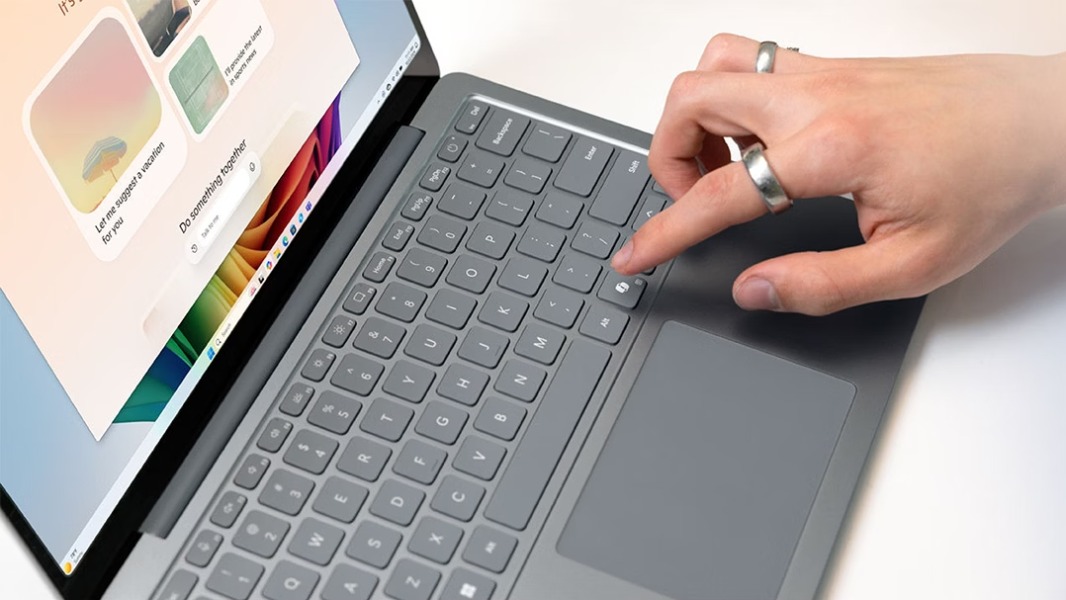
Since Microsoft introduced a new Copilot key for Windows 11 PCs two years ago, it’s been pretty clear that the company was looking to make its new AI assistant even more integrated into the OS than Cortana was on Windows 10. 2024 also saw the launch of the first “Copilot+ PCs” from Microsoft, which would support exclusive AI features such as the controversial Windows Recall. However, the rest of Windows 11 users were also promised new Copilot integrations across the OS, but those never came.
In 2024, Yusuf Medhi, Executive Vice President and Consumer Chief Marketing Officer at Microsoft, announced that Copilot would become integrated in the Windows 11 Settings app, where it would provide proactive suggestions to users. Mehdi also detailed Copilot suggestions in Copilot for editing pictures, as well as how Copilot would soon be able to act on notifications, including replying to emails.
According to Windows Central’s Zac Bowden, these new Copilot integrations into Settings, File Explorer, and notifications are no longer in active development. Microsoft reportedly changed its plans after Recall, the flagship feature for Copilot+ PCs was delayed to address privacy concerns.
Remember last year when Microsoft said it was integrating Copilot across Windows 11 with proactive experiences that would arrive later in 2024, but then just never did? pic.twitter.com/rU9xBcqWfG
— Zac Bowden (@zacbowden) April 3, 2025
“According to my sources, the plan to use Copilot as an umbrella term for AI on Windows was put on the back burner not long after Windows Recall was delayed. As Microsoft scrambled to address issues with Recall, a number of other AI features that were in the pipeline were essentially put on pause,” Bowden wrote.
Bowden did manage to get the following statement from Microsoft about what’s happening with Copilot and AI features on Windows 11:
“Our approach to product development is to preview with customers and evolve with feedback. Some experiences we may preview privately and update before rolling out more broadly, while others we may preview and iterate publicly with feedback from Windows Insiders. In both of these cases, features may change, be removed, or replaced over time as we gather input from customers.”
While we did see Microsoft add new AI features to apps like Settings, File Explorer, Paint, and Notepad, those came without any Copilot branding. This is probably for the best, as Microsoft’s obsession with Copilot and AI in general doesn’t seem to resonate with consumers. Earlier this year, Pavan Davuluri, the President of Windows and Devices at Microsoft, publicly said that the current focus was on “addressing pain points we hear consistently from customers: improving system performance, reliability, and the overall experience of Windows.”
“People familiar with Microsoft’s plans say the company is moving to reduce AI bloat across Windows 11 this year, and is striving to be more tactful about where the Copilot brand and AI experiences appear in system apps and interfaces. This is all part of a larger effort to address major criticism and concerns from users who believe Windows 11 has become bloated and enshittified with AI,” Bowden wrote in his report.
In some ways, Microsoft’s big Copilot and AI push is a bit reminiscent of Google’s previous attempts to integrate its now-deprecated Google+ social network into every Google product, whether users liked it or not. It didn’t end well for Google, which is also competing with Microsoft on the AI front with its own Gemini assistant. However, Google doesn’t have a big desktop computing platform like Windows, and Gemini on Android probably isn’t as “in your face” as Copilot is on Windows 11 PCs.