Meta’s New AI Image Generator Can Use Public Instagram Photos, But You Can Opt Out
- Laurent Giret
- Jul 09, 2026
-
4
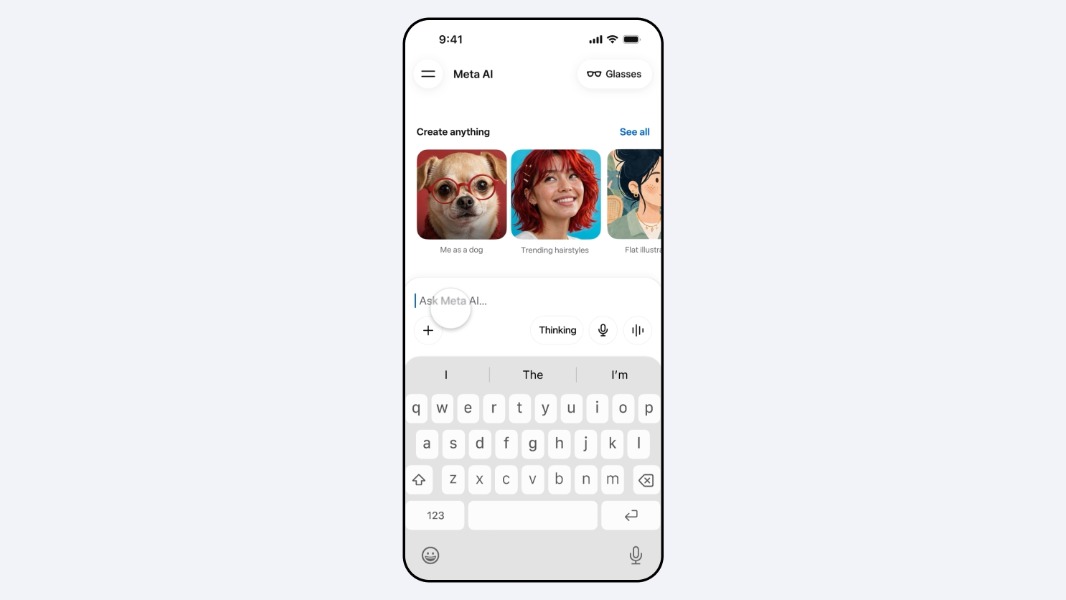
Meta launched earlier this week Muse Image, a new image generation model that allows WhatsApp, Instagram, and soon, Facebook users to create images with AI. Meta described its new image generator as a “creative partner that knows your world,” but you may not be prepared for what it really means.
To create images, Muse Image can take inspiration from public content on the Internet. That includes web images, but also real products from Facebook Marketplace, as well as images from public Instagram accounts. This is as simple as typing the username of an Instagram account in a prompt to give Meta AI access to its public content.
“Whether you want to design a custom event invitation, mock up a collaborative creative concept, or generate a personalized graphic, tagging a username lets Meta AI use public photos to build a visual that’s ready to post. You have control over how your content can be tagged for AI creation with an easy setting to turn this feature off at any time,” the company explained.
In a support page, Meta makes it even clearer how the content of Instagram public profiles can be used without users’ knowledge. “You’ll receive a notification if a public account reuses your content for remixes, sequences, stickers, templates. You will not be notified about content created using AI features at Meta,” the company explained.
The main problem with this new Muse Image AI tool is that access to public Instagram content is enabled by default, and users have to manually opt out. To do that, you’ll have to go to Instagram settings, navigate to the “How others can interact with you, tap Sharing and reuse,” and then open the “Sharing and reuse” menu. There, you’ll need to toggle off both Posts and Reels under the “Allow people to use your content on Instagram and with AI features on Meta” section.
At the moment, Muse Image isn’t available in all markets where Meta AI is available, but the company is already planning to expand its availability and bring it to Facebook and Messenger. Meta is also working on “Muse Video,” which is reminiscent of the Sora video generation app that OpenAI launched with great fanfare before discontinuing it.