Dynabook Tecra A65-M First Impressions
- Paul Thurrott
- May 27, 2026
-
4
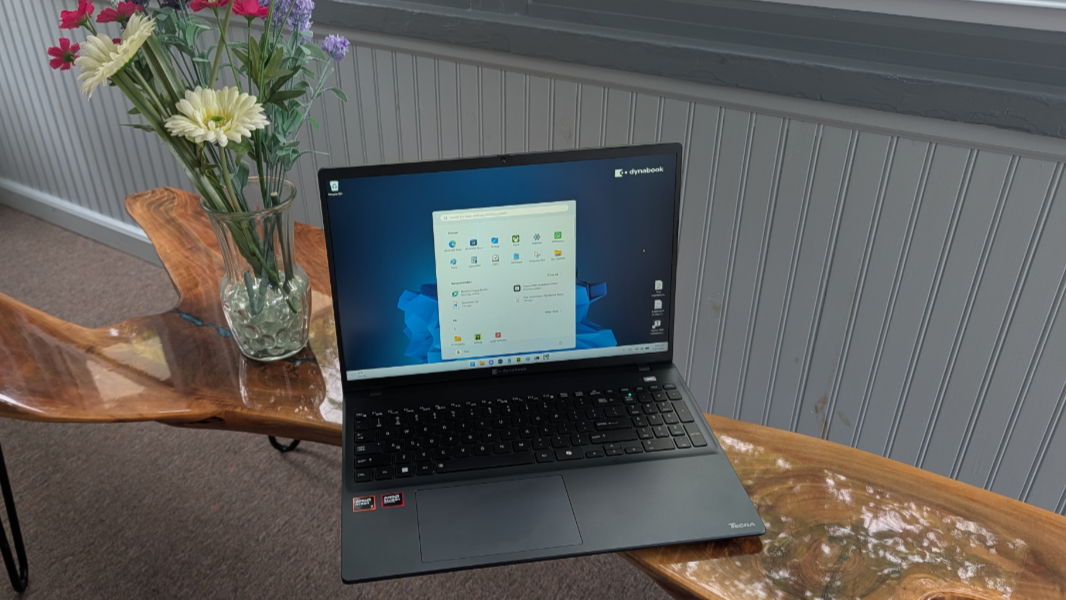
The Dynabook Tecra A65-M is an affordable AMD Ryzen 7-based business-class laptop with a 16-inch display and a three-year warranty. It’s an interesting alternative to the traditional Lenovo and HP laptops I usually review, and there’s an Intel-based variant for the less daring. But you want the AMD version.
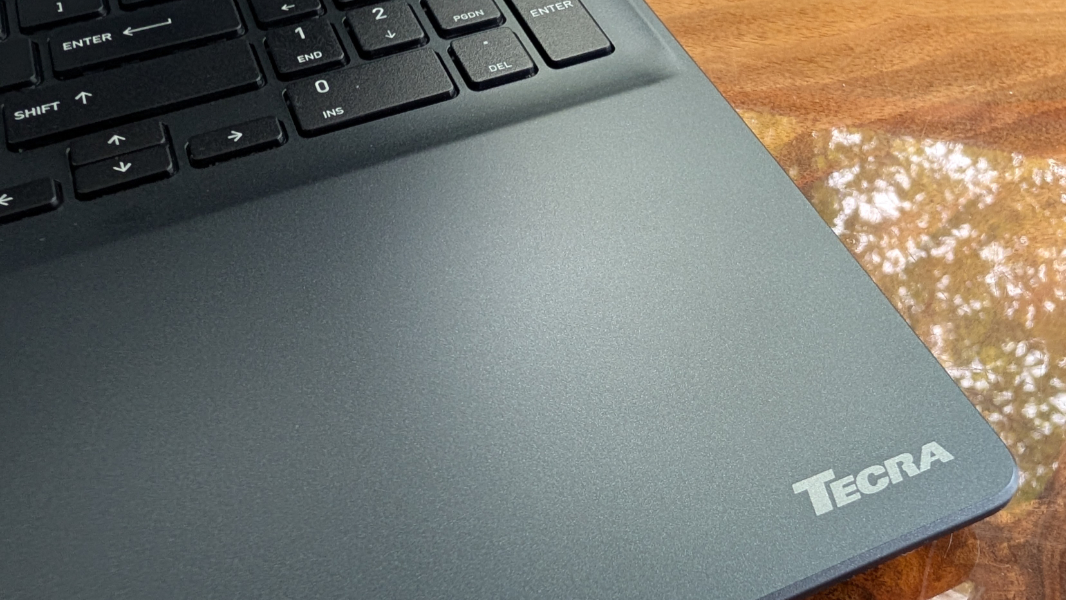
For those unfamiliar, Dynabook is the former Toshiba, and while the lineage there is a bit confusing, the brand is now owned by Sharp and is perhaps notable for being Japanese. I was a Toshiba PC fan and owner decades ago, and Dynabook continues forward with familiar brands from that era like Satellite Pro, Tecra, and Portégé. Where Satellite Pro provides the basics and Portégé is the most premium family of offerings, Tecra comes right up the middle with 14- and 16-inch laptops with AMD and Intel foundations.
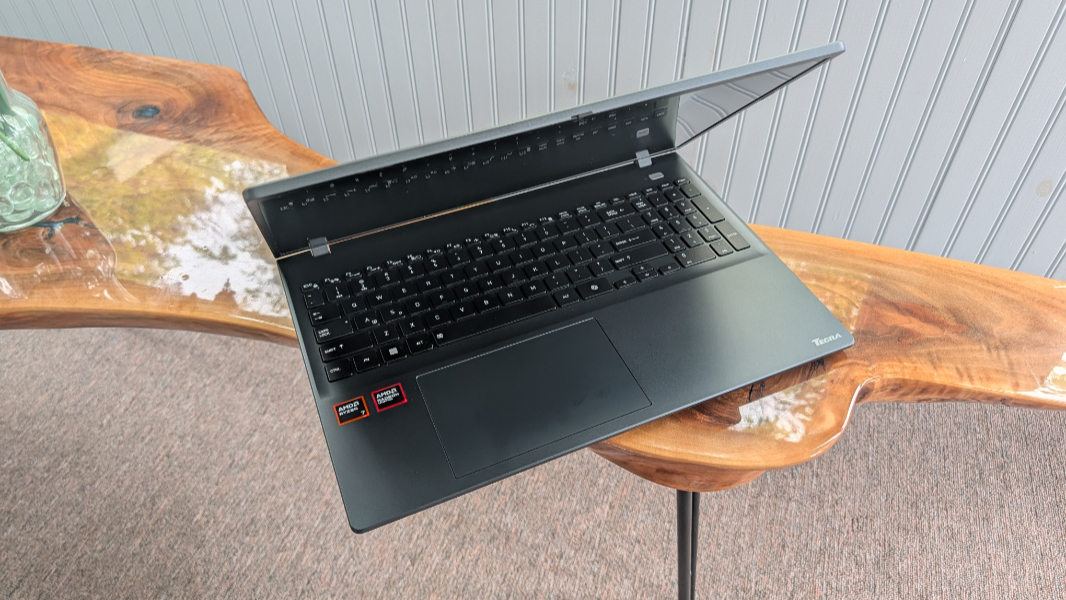
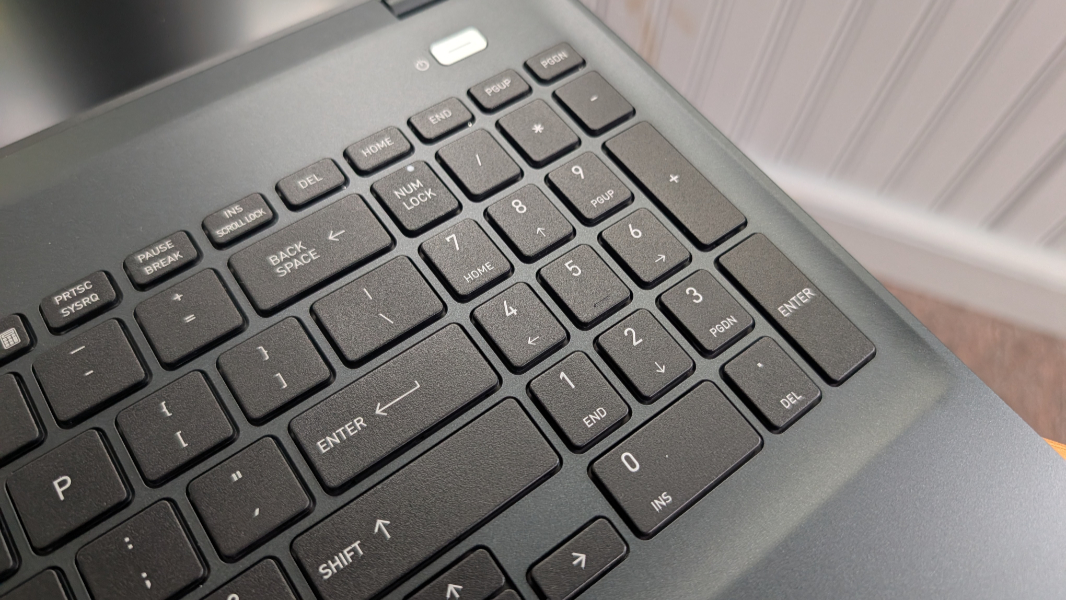
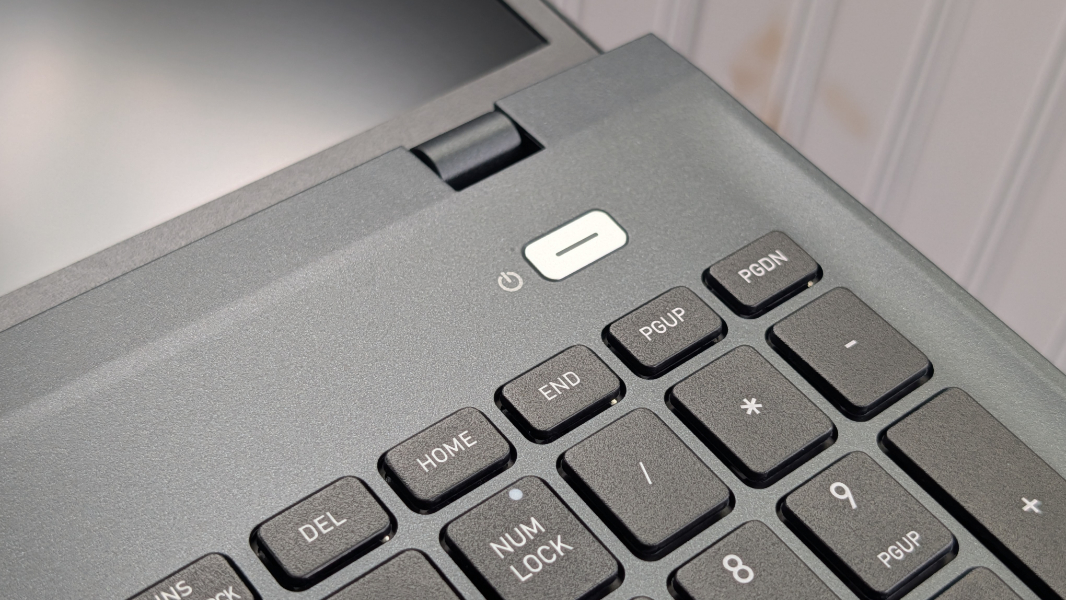
The Tecra A65-M I’m reviewing is a 16-inch design with AMD Ryzen 7 underpinnings. These are both my preferred choices, personally, though Dynabook’s use of a numeric keypad is unfortunate (to me), somewhat undercutting the experience.
From a positioning–and thus pricing–perspective, I believe it slots in roughly with ThinkPad E or L series laptops. That is, it will work well, work reliably, and be durable. This isn’t a flashy, expensive Ultrabook-type device, it’s a laptop.
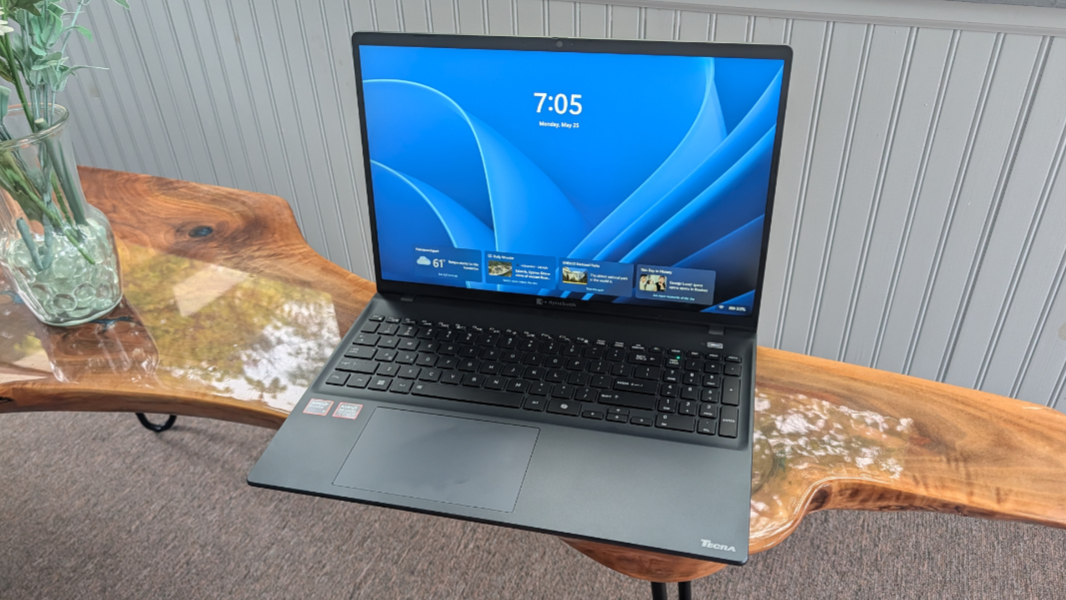
The Tecra’s specifications are solid enough. It’s powered by an AMD Ryzen 7 250 processor with 8 cores and 16 threads and a peak clock speed of 5.1 GHz, integrated Radeon 780M graphics, an integrated NPU (albeit one that, ahem, tops out at 16 TOPS), 16 GB of DDR5-5600 RAM (upgradeable to 64 GB), and a 512 GB PCIe NVMe SSD. To be clear, the processor is of the Ryzen 200 series variety, with a Zen 4 architecture, and not the newer Zen 5-based Ryzen 300 series. The Intel models are likewise a generation behind, which I assume is a cost-saving measure.
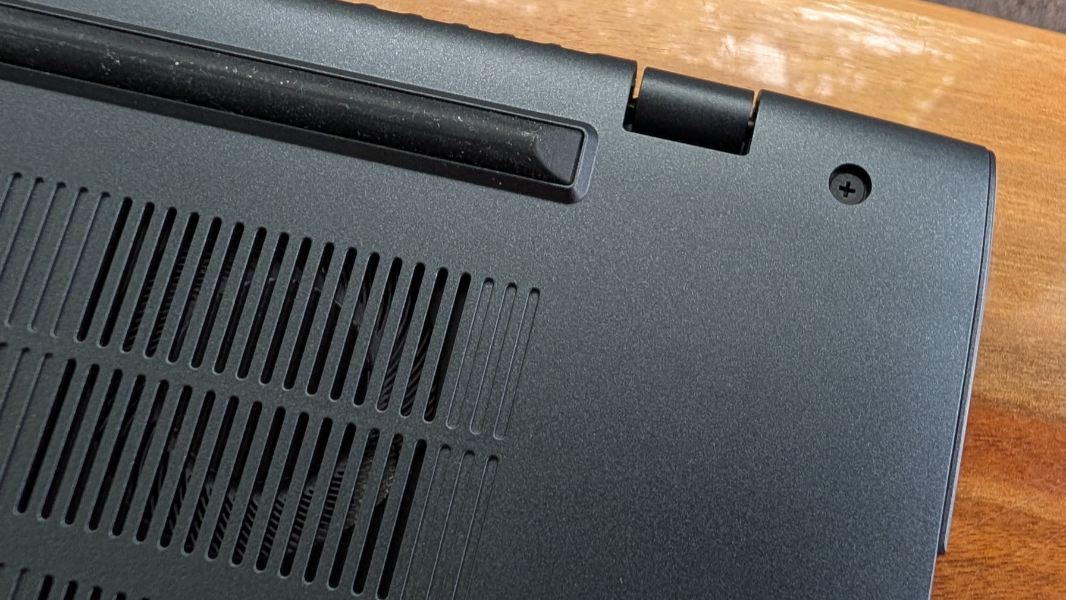
The display is basic but suitable for productivity work: It’s a 16-inch Full HD+ (1920 x 1200) matte IPS panel with a 16:10 aspect ratio and a 60 Hz refresh rate.
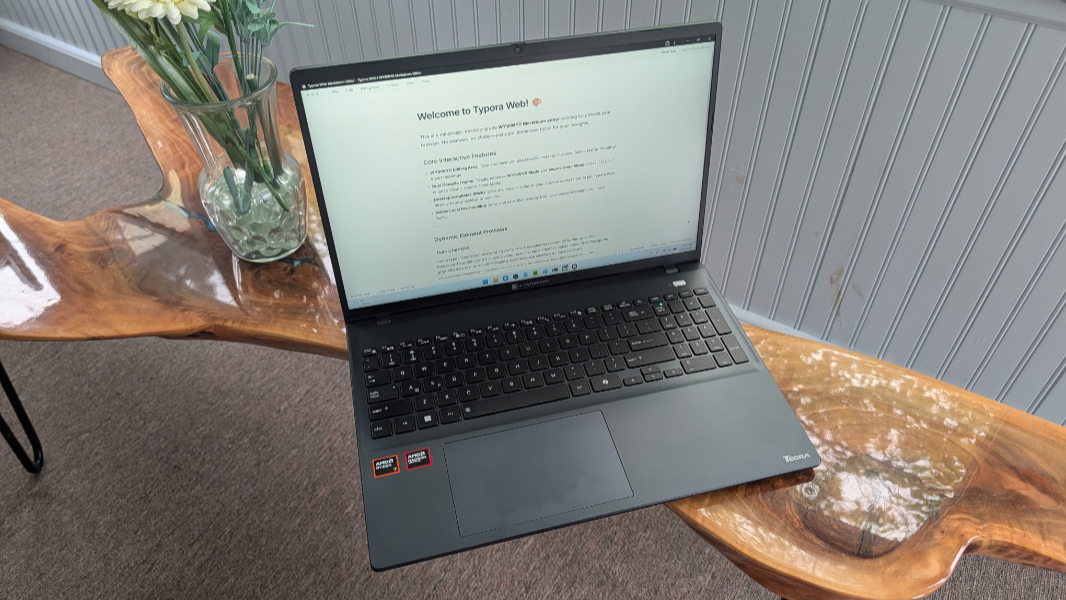
The bezels are thin on the sides and a bit larger at the top to accommodate the webcam.
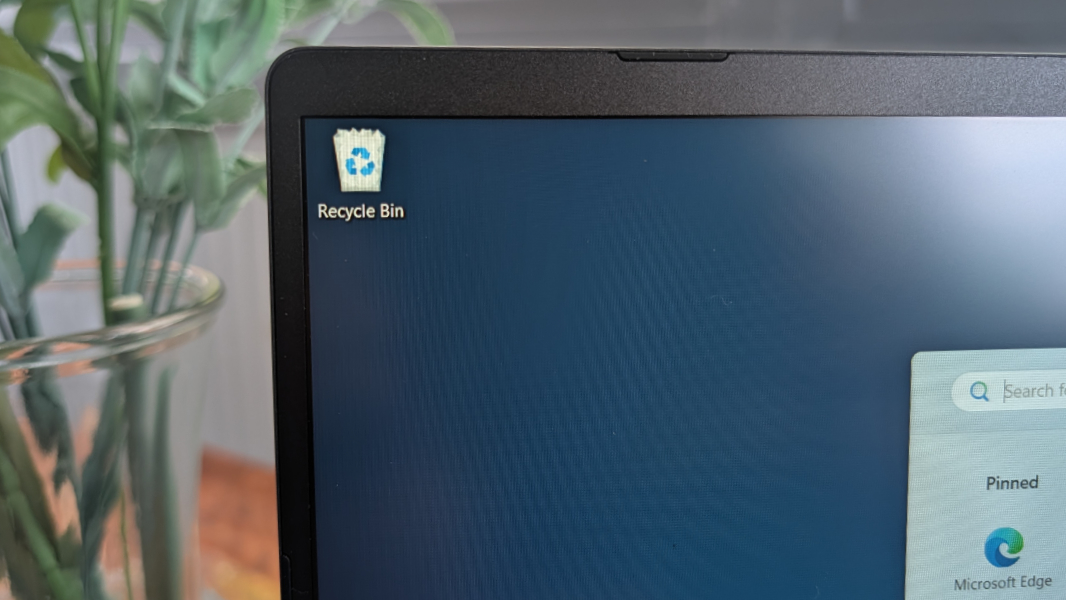
And it does lay flat, which I love seeing.
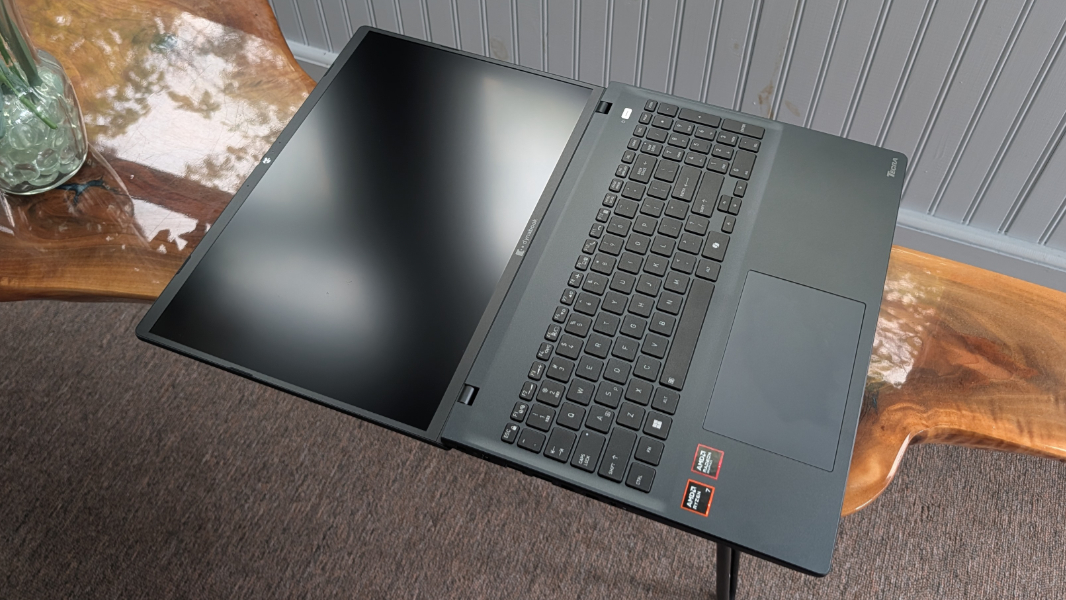
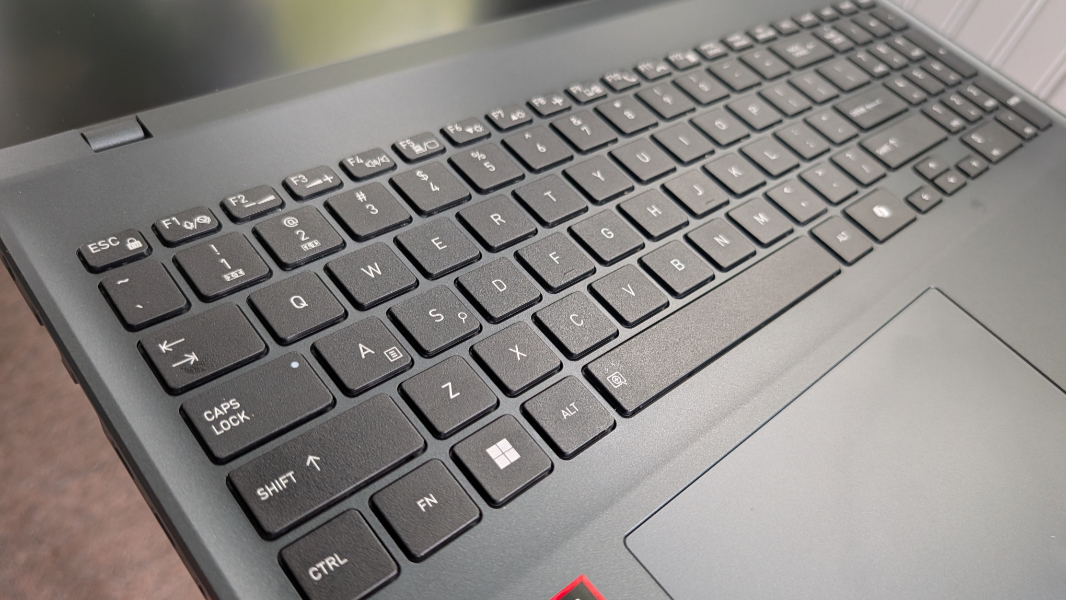
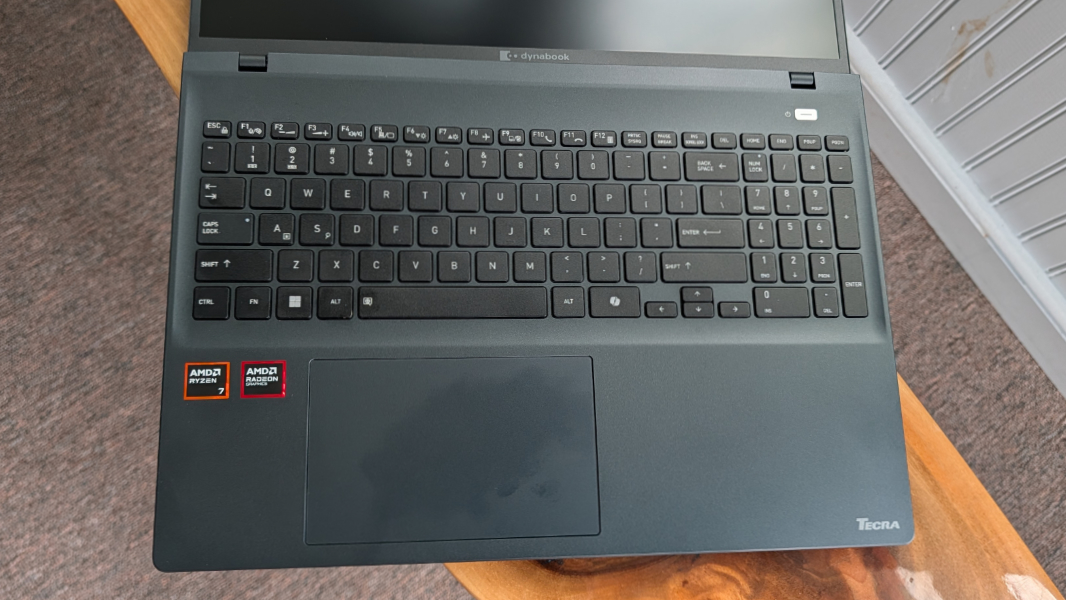
The keyboard is utilitarian but works well aside from the usual issues tied to the numpad offsetting it and triggering the occasional typo.
The touchpad is large, and is also offset to the left, and it seems to work well too.
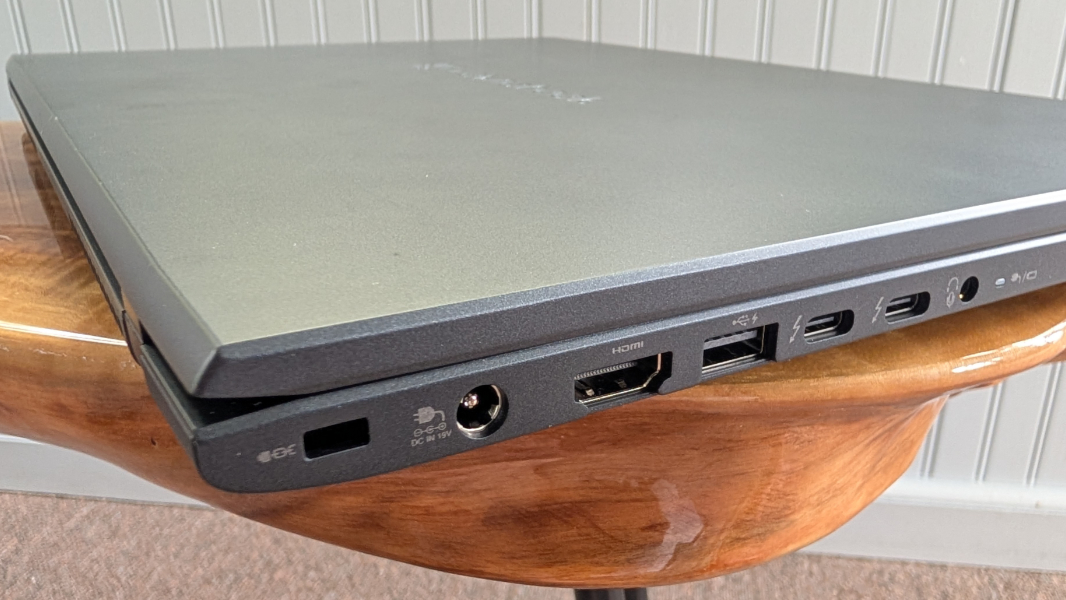
Expansion is solid. You get a full complement of ports on the left and then a smaller selection on the right, and all the USB-C ports are on one side. But there is one nice surprise.
On the left, you will find a full-sized HDMI video-out port, a 10 Gbps full-sized USB 3.2 Gen 1 always-on port, and two 40 Gbps Thunderbolt 4/USB4 Type-C ports, plus a Kensington lock slot, a proprietary power connector, and a combo microphone/headphone jack.
On the right, Dynabook placed a microSD card slot, a 10 Gbps full-sized USB 3.2 Gen 1 port (without always-on), and the surprise I promised: A full-sized gigabit Ethernet port. Will wonders ever cease?
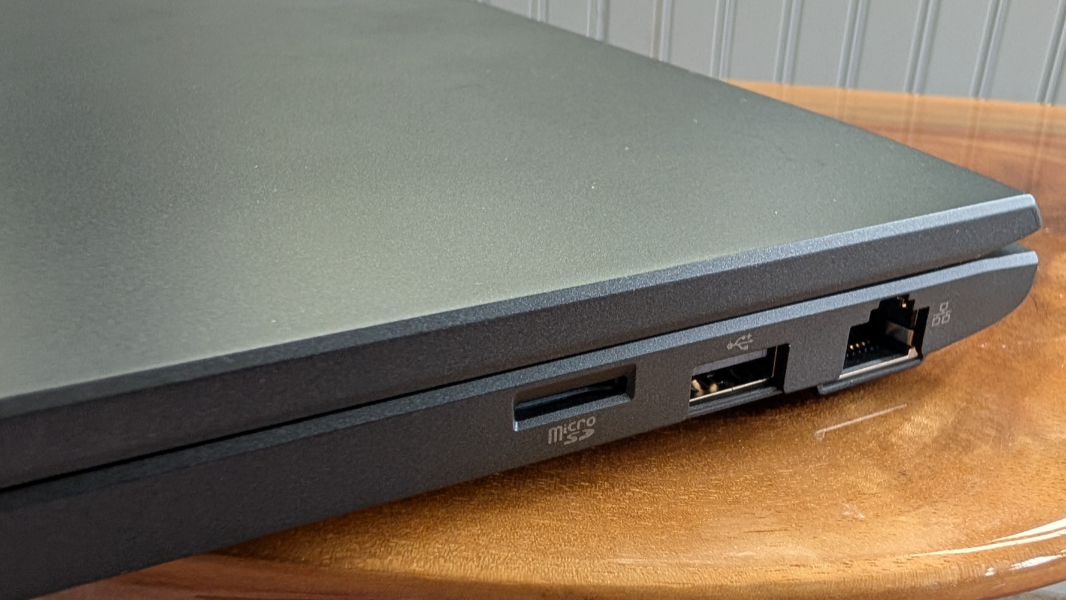
Connectivity is solid, with Wi-Fi 7 and Bluetooth of an indeterminate variety (I assume 5.3 or 5.4), plus that Ethernet port.
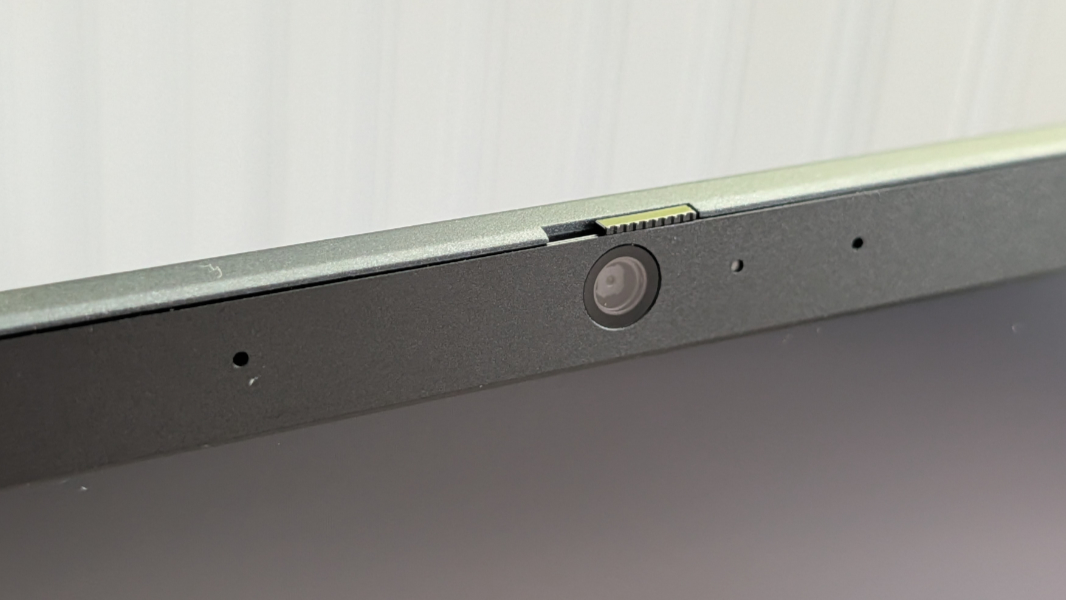
From a security perspective, the Tecra falls short of the Copilot+ PC spec thanks to its 16 TOPS NPU, but there’s a TPM 2.0 chip onboard, of course, a manual webcam privacy shutter, and all the basics we’ve come to expect in Windows 11. Oddly, there doesn’t appear to be any Windows Hello facial or fingerprint recognition in the review unit or available as options.
The webcam quality is also indeterminate, but there are dual-array microphones for what I assume is a decent remote work experience.
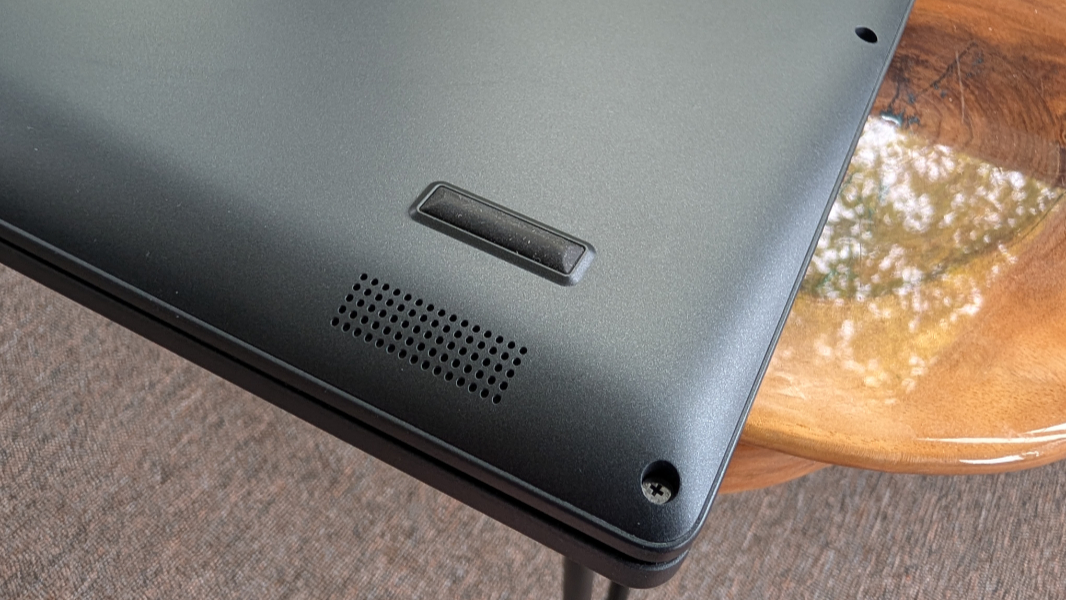
And there are two downward firing speakers in the front below the wrist rest and DTS Audio processing, which I will evaluate.
Power for the 60 watt-hour battery comes via a 65-watt power adapter with a proprietary plug, but I brought this laptop to the Finger Lakes over the Memorial Day long weekend and it worked fine with a standard USB-C power adapter too.
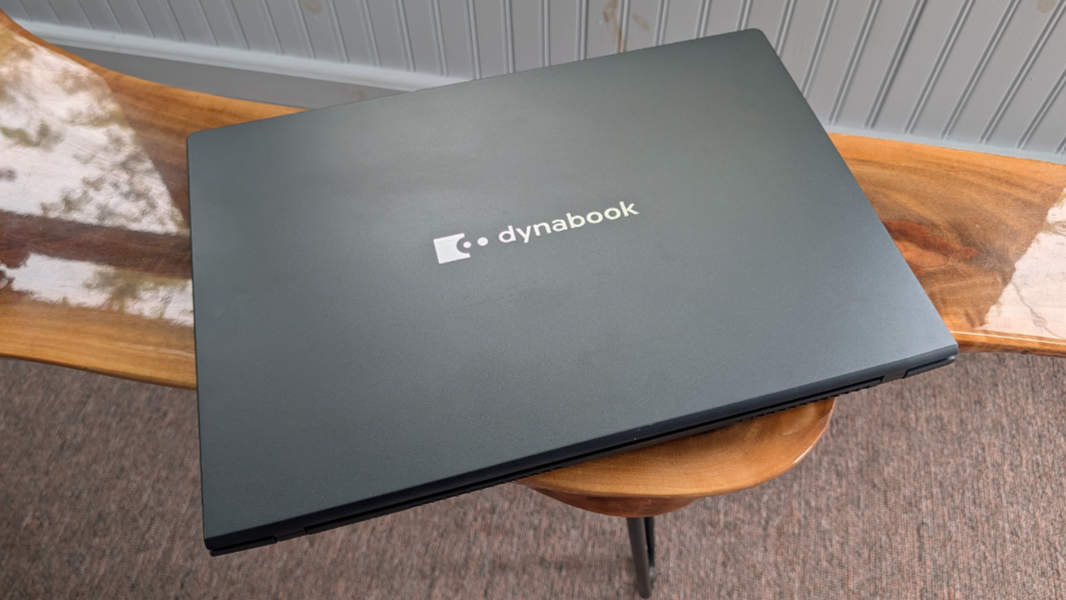
The Tecra is no thin and light beauty, but it looks and feels solid and durable, with a 14.1 x 9.8 x 0.78 form factor and a curb weight of 3.73 pounds. That’s not horrible for a 16-inch laptop, but it’s also no ASUS Zenbook A16 (which, you may recall, weighs a stunning 2.65 pounds). These are different types of laptops, of course, with different target audiences.
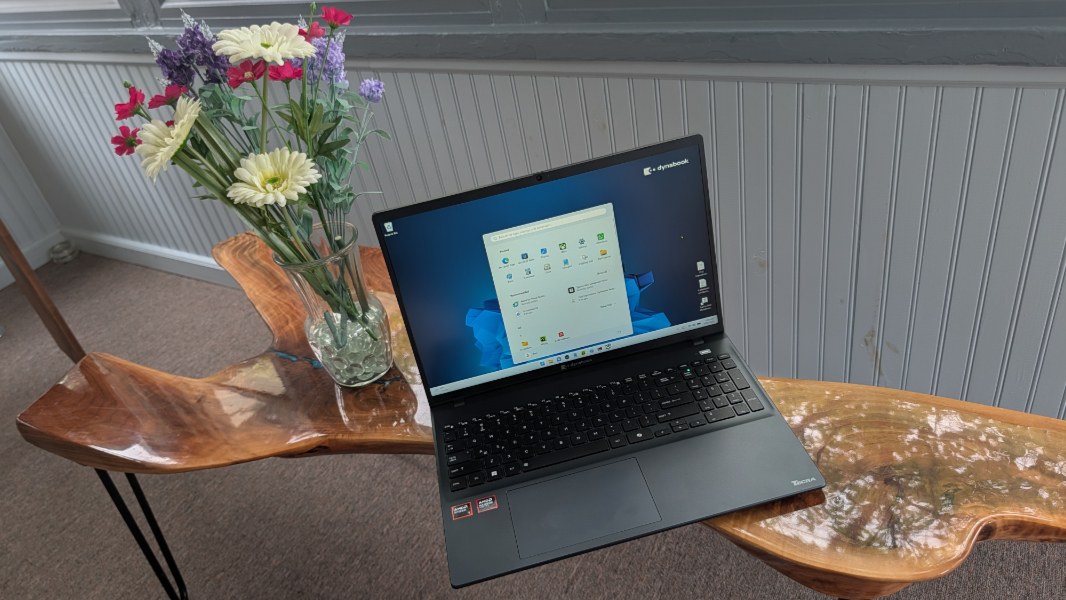
If the Tecra A65-M seems a bit boring to you, I get that, but it may also be the point. This is a workhorse day-to-day business laptop, and there are two key aspects to it that I think offset any design concerns. The first is that three-year warranty, which is an unusual outlier in a world of one-year warranties industry-wide. And the second is the price: Adjusted for the artificial inflation of this era’s component crisis, $1550 feels downright reasonable.
More soon.