ASUS ProArt P16 Unboxing and Initial Thoughts
- Paul Thurrott
- Oct 13, 2026
-
5
My wife and I were supposed to be in Mexico City now. Our original plan was to fly there a week ago Friday, stay there for about five weeks, and then fly home in time for the Thanksgiving holiday. And that’s what would have happened were it not for an email I received just four days before our flight. Would I be interested in reviewing one of the new Nvidia RTX Spark laptops?
Huh. “Interested” doesn’t really capture where my mind is on this one. I answered yes, of course I did. And then I walked over to my wife to explain how we would need to change our flights to Mexico: This review laptop wouldn’t arrive until Friday at the earliest, I was told, and we were scheduled to fly very early in the morning that day.
That conversation went about as well as expected, but there are two key takeaways. We’re now flying a week from today, on October 20. And making a change like this isn’t something I do lightly. Indeed, I purchased a Lenovo Googlebook the day they were released–the Sunday before our original flight–specifically because I was worried that whatever review units I may get down the line wouldn’t arrive before we went to Mexico. And then we’d be gone for a month.
The thing is, this is central to everything I do and everything I am, at least from a professional perspective. I need to understand what’s happening with RTX Spark sooner rather than later, and these computers will factor into the next Windows 11 Field Guide edition and a lot more that I’ll be writing over the next few months and more.
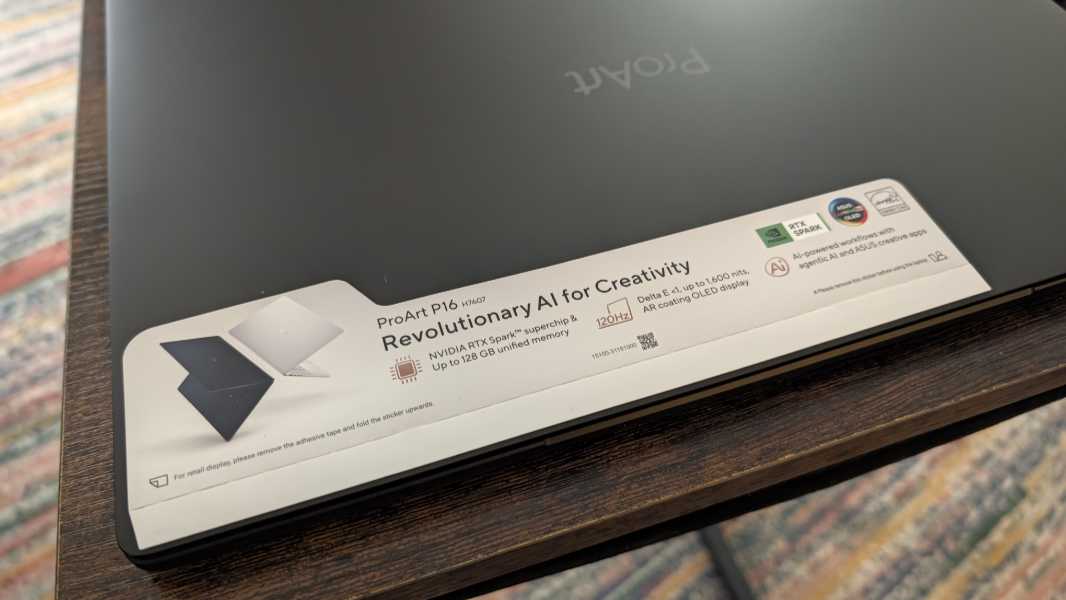
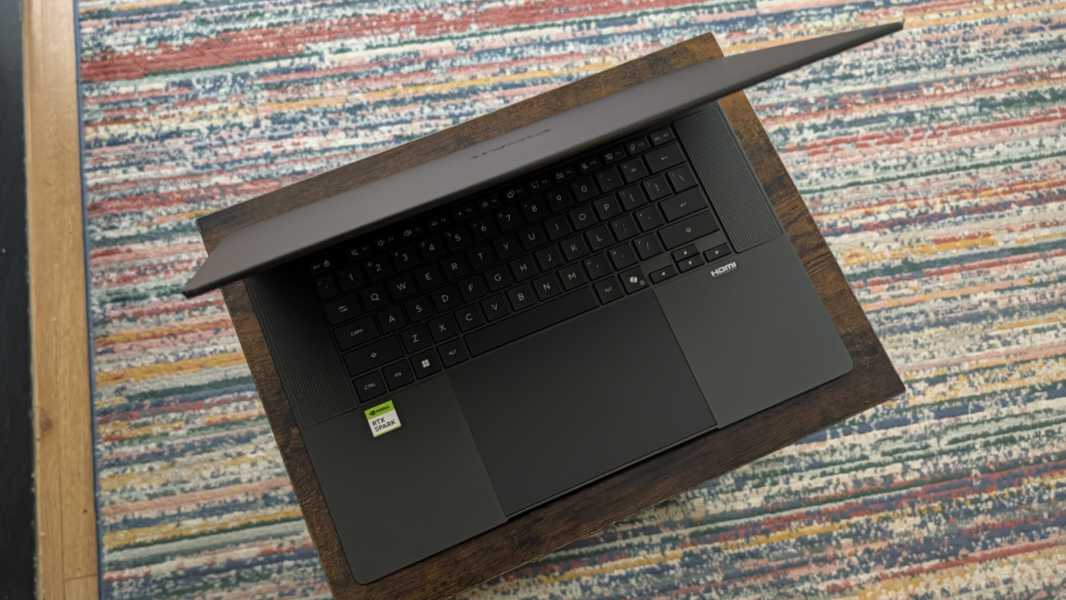
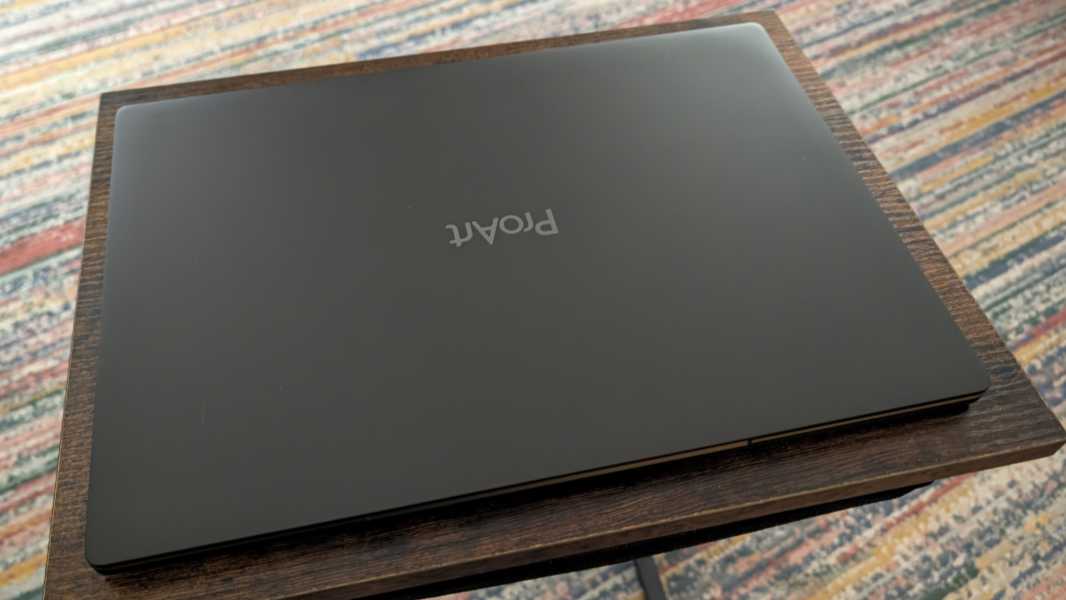
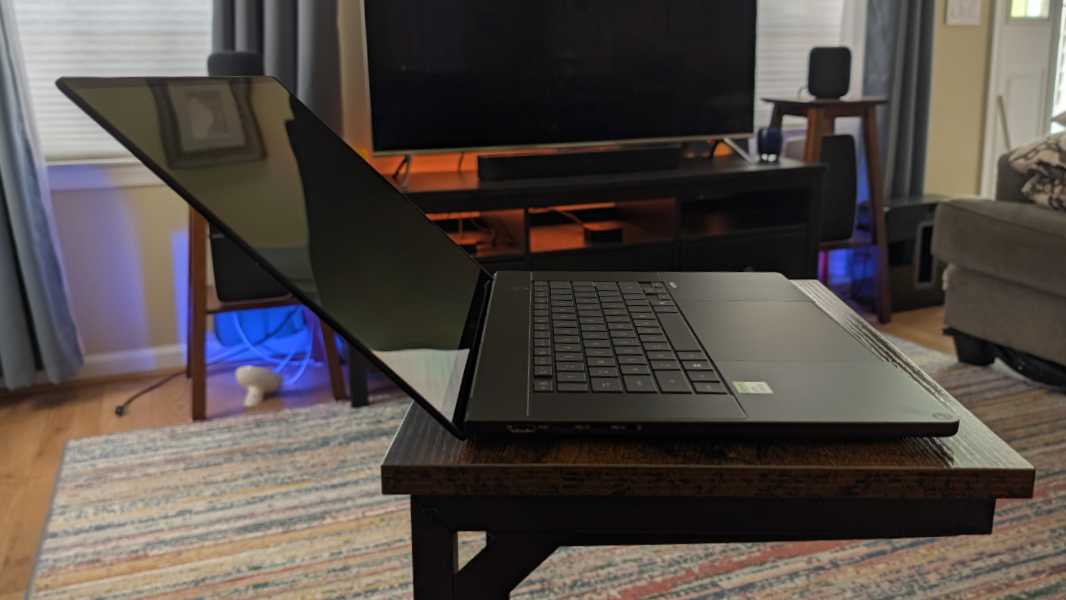
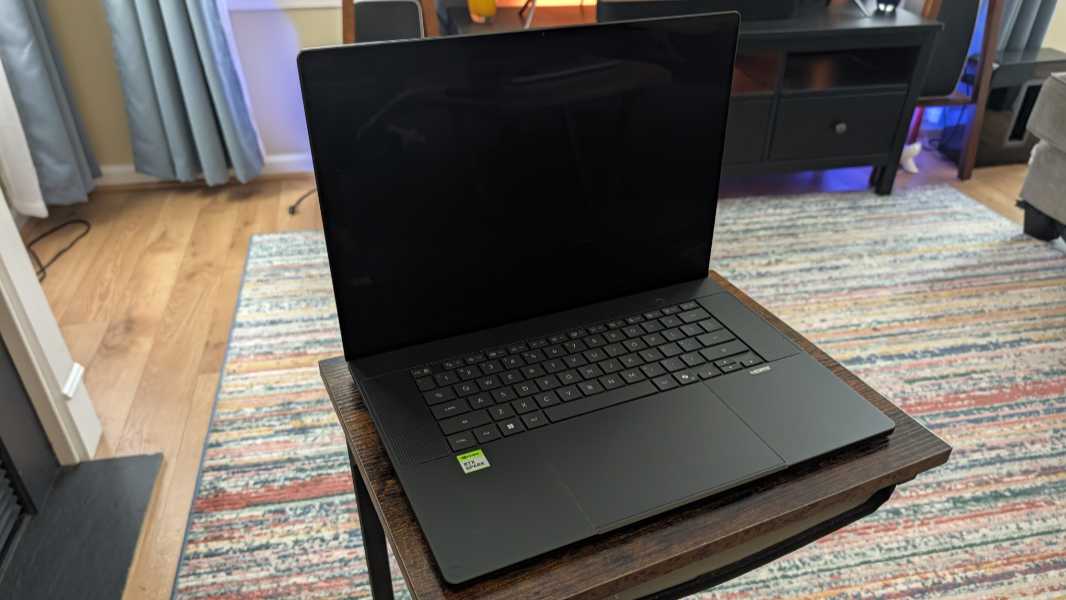
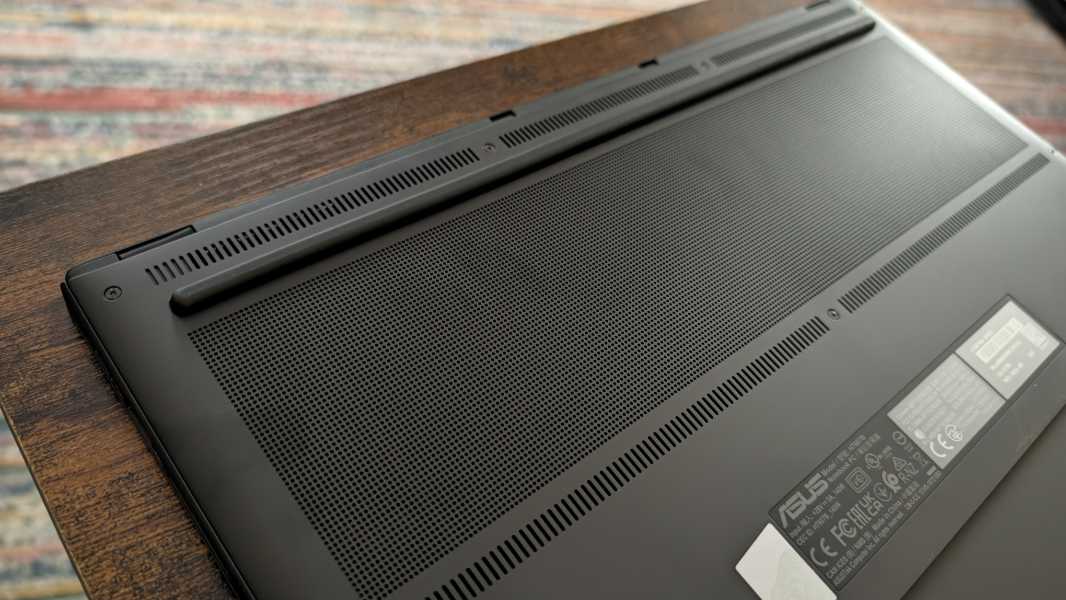
Also, my life is apparently an inside joke with God or whichever superintelligence runs this universe because I’ve since received two other RTX Spark laptops for review. But of the three, I can only discuss one of them, at least before this Friday: ASUS is permitting reviewers to post unboxing images of its new RTX laptops, though they must be powered off and I can only show you the hardware.
Fair enough.
The following information is based solely on the descriptions that ASUS and Nvidia provide on their websites.
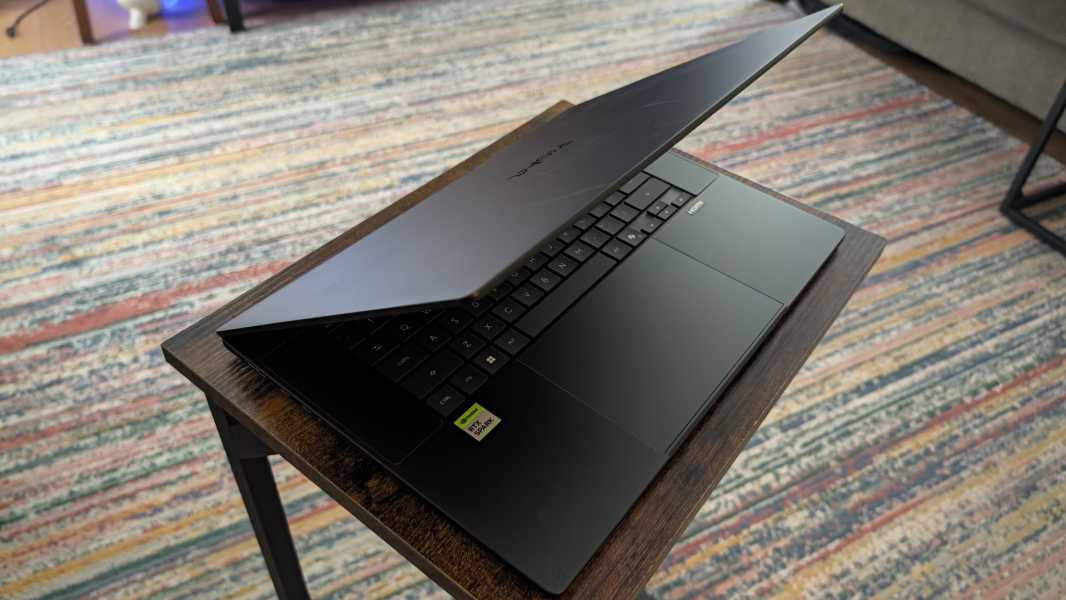
The ASUS ProArt P16 is an Nvidia RTX Spark-powered portable workstation for creators, developers, and anyone else living on the bleeding edge of local AI. It’s one of two new ASUS laptops built around this new platform–the other is the 14-inch ProArt P14–and it’s available for preorder now in 24, 32, 64, and 128 GB configurations. And as with the other first-generation RTX Spark computers, the ProArt P16 arrives Friday, October 16.
The model I’m reviewing is the high-end H7607BA configuration. This has the higher-end of the two N1X processor variants with a 20-core CPU and a 6,144-core GPU and 128 GB of unified memory shared between the two.
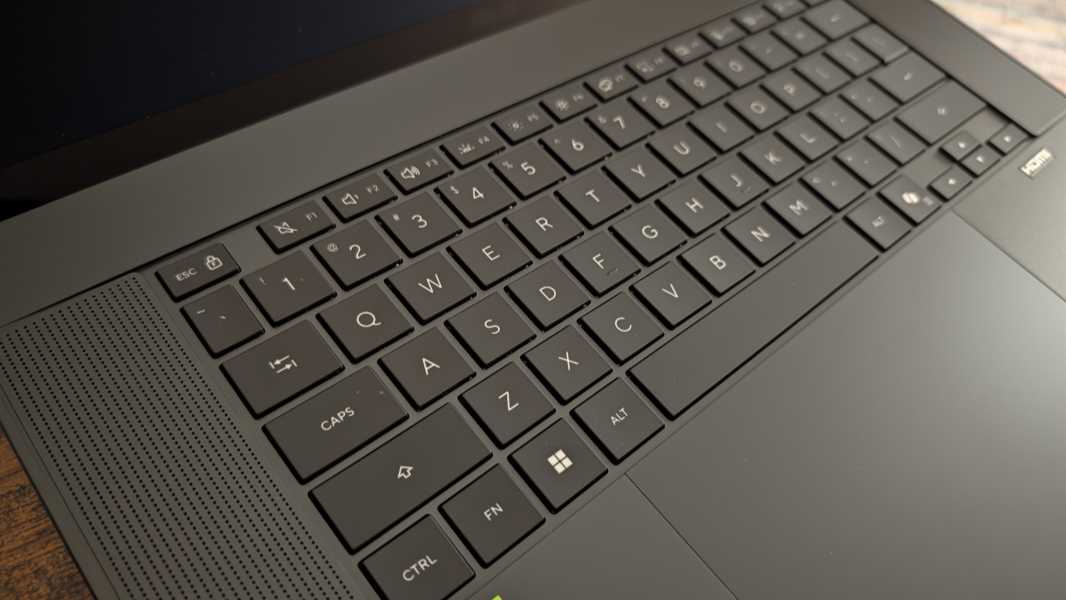
The ProArt P16 comes in two color choices, Neo White and Nano Black, and the review unit is the latter color. It’s a handsome and professional looking portable workstation, and this Nano Black version comes with a smudge-resistant coating that the Neo White color lacks.
It offers a palatial 16-inch 4K+ (3840 x 2400) OLED multitouch display panel with a 120 Hz variable refresh rate (VRR), and it can be configured with 512 GB, 1 TB, or 2 TB of NVMe PCIe 4.0 SSD storage; plus, there’s a second M.2 2280 slot if you want to upgrade the storage later. There are six speakers with Dolby Atmos immersive sound capabilities.
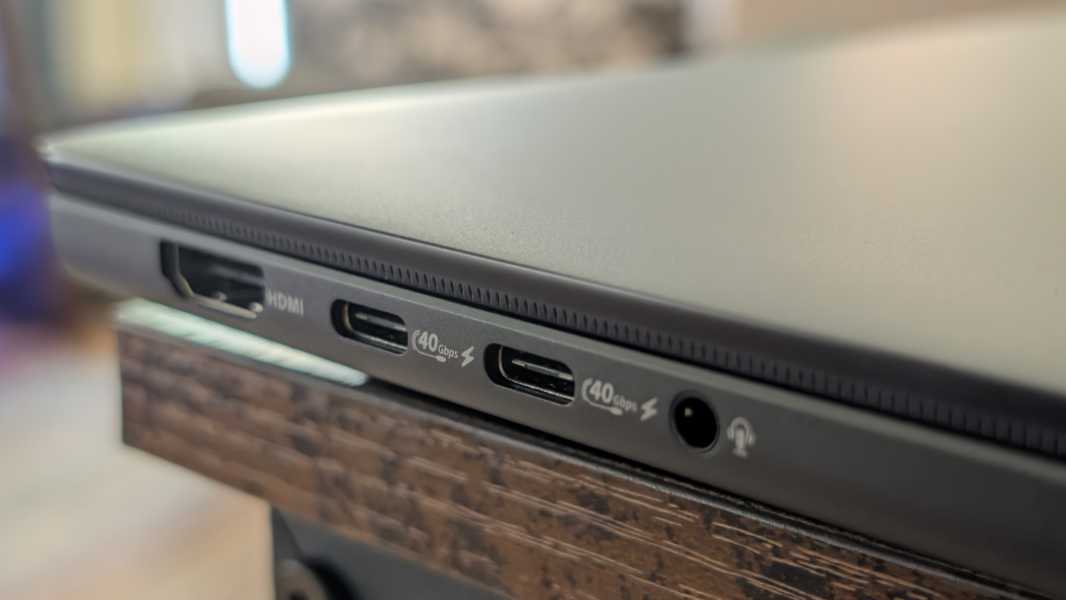
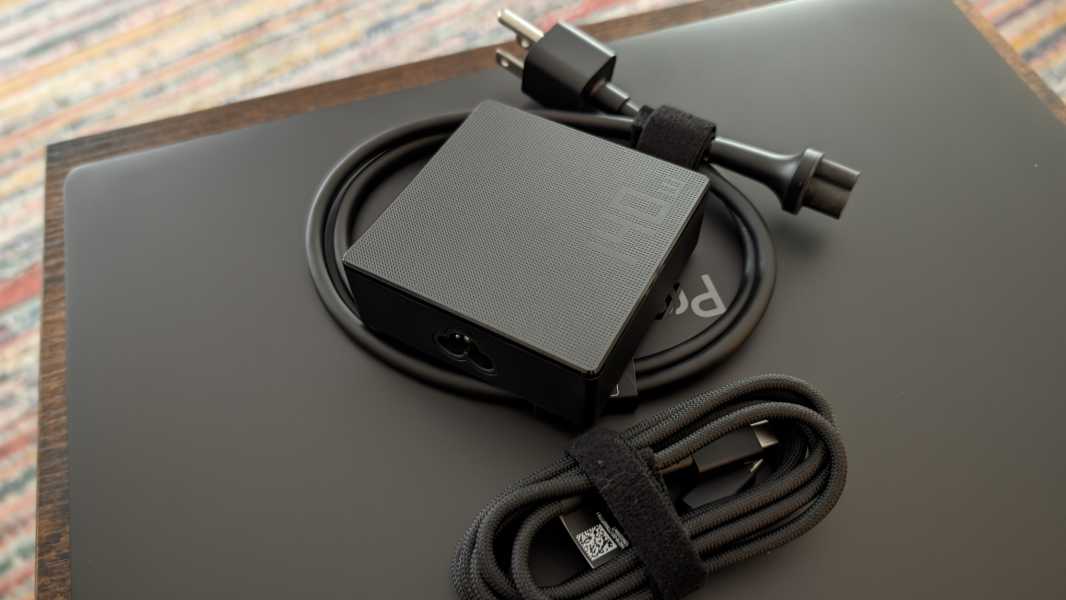
Expansion is mostly modern, with three 40 Gbps Thunderbolt 4/USB4 Type-C ports, one 10 Gbps USB 3.2 Gen 2 Type-A port, an HDMI 2.1 video-out port, an SD Express 7.0 slot, and a combo headphone/microphone jack. Inside, there’s Wi-Fi 7 and Bluetooth 5.4, and a 99.99 watt-hour battery that’s charged with a 140-watt USB-C power adapter that, thanks ASUS, has a power cord on either side of the power brick.
It’s big, of course, thanks to that screen, but it’s not particularly thick or heavy at 13.94 x 9.57 x 0.51/0.63-inches and 3.9 pounds.
I cannot wait to tell you more. But wait I must.
In the meantime, know this. ASUS makes what I think is the single best Snapdragon X2-based laptop today, so I am obviously excited to review the ProArt P16. That this is the highest-end configuration with 128 GB of RAM is particularly interesting because this will open up access to larger local AI models that won’t work with lower-end RTX Spark configurations. But again, that discussion will have to wait until Friday. And beyond.
More soon.